Pest Control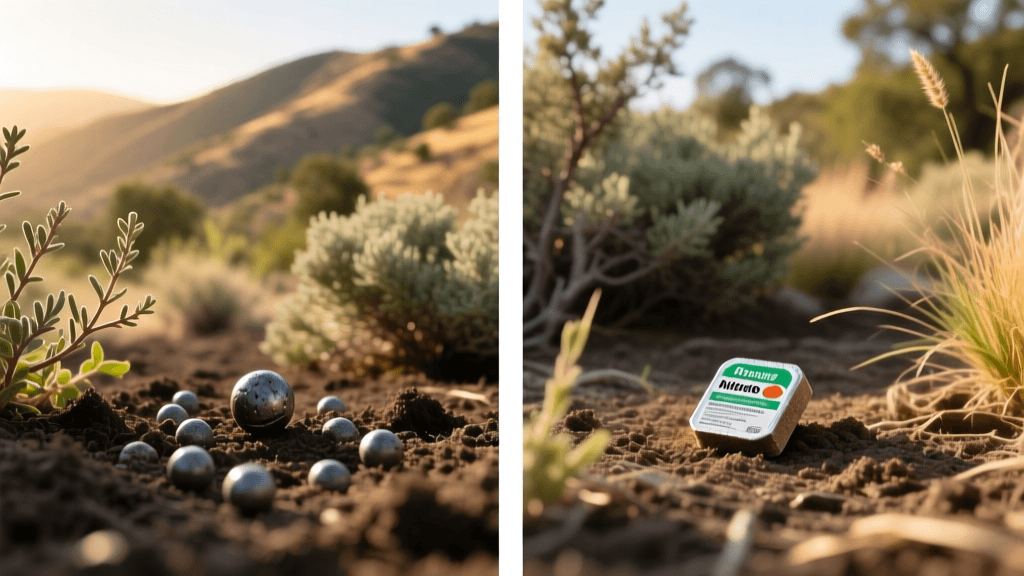
Slug Bait 2026: Iron Phosphate vs Metaldehyde Fire-Safe Yards
The Intersection of Fire-Resistant Landscaping and Pest Management
As we navigate the 2026 wildfire season, homeowners in the Wildland-Urban Interface (WUI) are increasingly prioritizing fire-resistant landscaping to protect their properties. Creating defensible space involves strategic plant selection, rigorous brush clearance, and the use of non-combustible or highly composted mulches. However, the very practices that make a garden fire-safe often create an ideal habitat for slugs and snails. Moisture-retaining groundcovers, shaded hardscapes, and nutrient-rich composted wood chips provide the perfect environment for these destructive mollusks to thrive.
When managing pests in a fire-prone zone, the choice of control method extends beyond simple efficacy. It encompasses soil health, water runoff safety, and the protection of local wildlife that inhabits the WUI. In 2026, the debate between iron phosphate and metaldehyde slug baits is more relevant than ever, particularly for those maintaining fire-resistant landscapes. Understanding how these two active ingredients interact with your garden's ecosystem is critical for sustainable, fire-safe property management.
Why Fire-Safe Gardens Attract Slugs and Snails
Fire-resistant landscaping relies heavily on maintaining plant hydration and utilizing specific mulching techniques to prevent ember ignition. According to CAL FIRE's Ready for Wildfire defensible space guidelines, using well-irrigated, high-moisture plants and keeping soil consistently damp in Zone 1 (the first 30 feet around a home) is a key fire-prevention strategy. Unfortunately, slugs and snails are drawn to exactly these conditions.
Furthermore, many popular fire-resistant plants are highly palatable to mollusks. If you are cultivating a fire-safe garden, you likely have some of the following slug magnets:
- Agapanthus (Lily of the Nile): A staple in fire-resistant zones due to its high water content, but a primary food source for snails.
- Daylilies (Hemerocallis): Excellent for erosion control on fire-scarred slopes, yet highly vulnerable to slug feeding.
- Young Succulents (Aloe, Agave): While mature succulents are somewhat pest-resistant, young offsets and tender new growth are easily decimated by slugs seeking moisture.
- Composted Wood Chips: Recommended over dry bark or pine needles for fire safety, composted chips retain moisture and offer daytime hiding spots for slugs.
Because these plants and mulches are essential for maintaining a fire-resistant yard, integrated pest management (IPM) becomes necessary to protect your landscape investment without compromising your defensible space.
Iron Phosphate vs. Metaldehyde: 2026 Comparison
The slug and snail bait market has shifted dramatically over the last decade. As of 2026, many municipalities in fire-prone regions have begun restricting or outright banning certain chemical pesticides due to their impact on watersheds and local fauna. Below is a comprehensive comparison of the two most common slug baits in the context of fire-resistant landscaping.
| Feature | Iron Phosphate (e.g., Sluggo) | Metaldehyde (e.g., Cory's, Deadline) |
|---|---|---|
| Active Ingredient | Iron Phosphate (naturally occurring soil compound) | Metaldehyde (synthetic polymer) |
| Toxicity to Pets & Wildlife | Very Low; safe for use around dogs, cats, and birds | High; highly toxic to mammals, birds, and secondary predators |
| Impact on Soil Health | Breaks down into iron and phosphorus fertilizer | Leaves toxic residues; can harm beneficial soil microbes |
| WUI Compliance (2026) | Universally approved; OMRI listed for organic use | Restricted or banned in many CA, OR, and AU fire zones |
| Water Runoff Safety | Safe; does not contaminate local watersheds | Poor; toxic to aquatic life if washed into storm drains |
| Average Cost (2026) | $14.00 - $18.00 per lb | $10.00 - $13.00 per lb |
| Efficacy Speed | Slugs stop feeding immediately; die in 3-6 days | Slugs die rapidly, often within 12-24 hours |
Iron Phosphate: The Eco-Friendly Standard for WUI Zones
For homeowners maintaining fire-resistant landscapes, iron phosphate is overwhelmingly the recommended choice in 2026. Iron phosphate works by disrupting the mollusk's digestive system. Upon ingesting the bait, the slug or snail immediately ceases feeding, retreating to its hiding place to die within three to six days. Because it stops feeding instantly, the damage to your fire-safe plants is halted right away.
The primary advantage of iron phosphate in a fire-resistant garden is its impact on soil biology. Fire-resistant plants require robust, deep root systems to survive the intense heat and drought conditions typical of wildfire seasons. Iron phosphate, as noted by the National Pesticide Information Center, breaks down into iron and phosphorus—two essential plant nutrients. Rather than degrading the soil food web, it actually fertilizes the surrounding area, promoting the vigorous growth necessary for plants to maintain the high moisture content that makes them fire-retardant.
Additionally, iron phosphate is entirely safe for the local wildlife that frequents the WUI. In fire-prone areas, preserving local biodiversity is crucial for ecosystem resilience. Metaldehyde poisoning often leads to secondary poisoning in birds, lizards, and mammals that consume dying slugs, whereas iron phosphate poses no such threat to the broader food web.
Metaldehyde: A Relic of the Past in Fire-Prone Regions
Metaldehyde has been a staple in pest control for decades, known for its rapid knockdown effect and lower upfront cost. However, its use in fire-resistant landscaping is highly discouraged and increasingly regulated. Metaldehyde is a severe neurotoxin to dogs, cats, and wildlife. In the WUI, where domestic pets frequently interact with local fauna, the risk of accidental poisoning is a major liability.
Furthermore, metaldehyde poses a significant threat to water quality. Fire-prone regions are often characterized by steep slopes and watersheds that are highly susceptible to erosion, especially after a fire event. When it rains, unabsorbed metaldehyde bait can wash into storm drains and local waterways, proving highly toxic to aquatic organisms. As environmental regulations tighten in 2026 to protect post-fire watersheds, many local fire-safe councils and agricultural extensions now explicitly advise against metaldehyde use in defensible spaces.
Best Practices for Applying Slug Bait in Defensible Spaces
Even when using a safe, organic product like iron phosphate, application methods must align with fire-safe landscaping principles. According to the University of California Integrated Pest Management Program, bait should be applied strategically to maximize efficacy while minimizing environmental impact.
1. Timing and Irrigation
Slugs and snails are nocturnal and require moisture to travel. In a fire-resistant garden, you are likely using drip irrigation to keep plant roots hydrated while minimizing surface evaporation. Water your garden deeply in the late afternoon, then apply iron phosphate bait in the evening just before dusk. The moisture will draw the mollusks out of their hiding spots in your composted mulch, leading them directly to the bait.
2. Strategic Placement Near Hardscapes
Fire-resistant landscaping heavily features non-combustible hardscapes like stone patios, gravel paths, and concrete retaining walls to create fuel breaks. Slugs frequently hide under the edges of these structures during the heat of the day. Sprinkle iron phosphate pellets along the perimeter of stone walls, beneath gravel borders, and around the base of rain barrels or water features. Avoid broadcasting bait widely over open soil, as UV exposure and heavy irrigation can break down the pellets prematurely.
3. Utilizing Bait Stations in High-Risk Zones
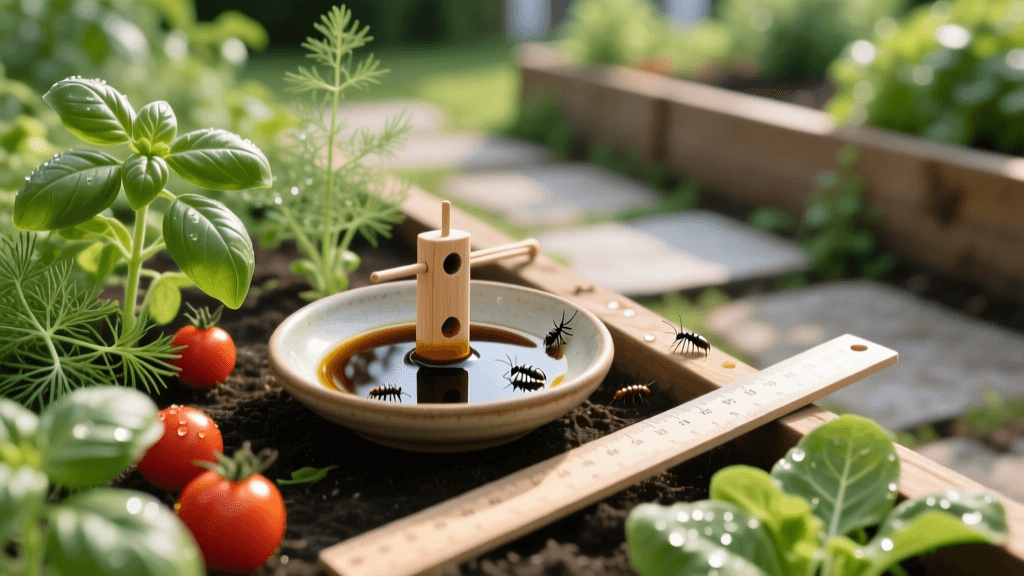
In areas where heavy irrigation or frequent rainfall washes away pellets, consider using reusable, non-combustible bait stations. Ceramic or metal slug traps can be placed beneath the dense foliage of fire-resistant shrubs like Ceanothus or Rockrose. Fill these stations with a small amount of iron phosphate bait or a beer-and-water mixture. This keeps the bait dry, protects it from being scattered by wind, and ensures it remains effective for longer periods, reducing the need for frequent reapplications.
Integrated Pest Management (IPM) for Fire-Resistant Yards
Baiting should only be one component of your broader IPM strategy. To truly protect your fire-resistant landscape from slugs and snails in 2026, combine iron phosphate applications with cultural and mechanical controls:
- Manual Removal: Conduct nightly patrols with a flashlight and a bucket of soapy water. Hand-picking is highly effective and removes the pests without introducing any foreign substances to your defensible space.
- Copper Barriers: Apply copper tape around the rims of raised beds or the trunks of vulnerable trees. Copper reacts with the slug's slime, creating a mild electrical shock that deters them. Copper is non-combustible and perfectly aligns with fire-safe hardscaping.
- Encourage Natural Predators: Ground beetles, rove beetles, and certain bird species are natural predators of slugs. By avoiding broad-spectrum pesticides and toxic baits like metaldehyde, you encourage these beneficial creatures to establish themselves in your garden, providing free, long-term pest control.
- Adjust Mulch Depth: While composted wood chips are safer than dry bark in a fire zone, keeping the mulch layer to a maximum of 2-3 inches prevents the creation of deep, excessively damp pockets where slug populations can explode unchecked.
Conclusion
Maintaining a fire-resistant landscape in 2026 requires a delicate balance between moisture retention for fire safety and pest management to protect your plants. When comparing iron phosphate and metaldehyde, the choice for WUI homeowners is clear. Iron phosphate offers a highly effective, environmentally responsible solution that nourishes the soil, protects local wildlife, and complies with modern watershed regulations. By integrating iron phosphate baits with smart irrigation practices and physical barriers, you can defend your garden against slugs and snails while ensuring your property remains a resilient, fire-safe haven for years to come.