Pest Control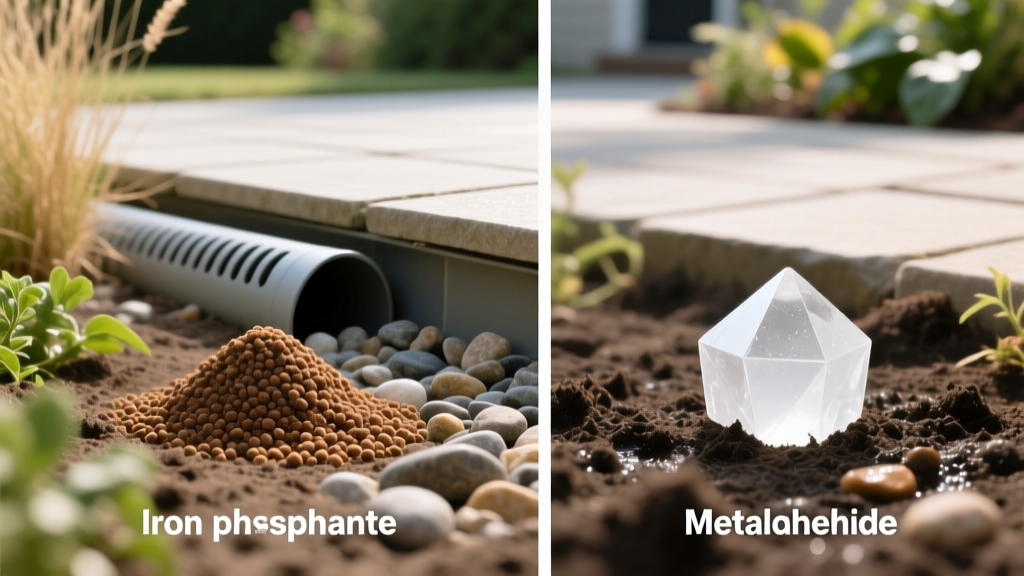
Slug Bait 2026: Iron Phosphate vs Metaldehyde & Drains
Emily WatsonPublished
The 2026 Guide to Slug and Snail Control: Habitat Modification and Bait Selection
Slugs and snails are notorious for decimating hostas, lettuce, tender turfgrass shoots, and ornamental garden beds. As we navigate the 2026 growing season, the shift toward Integrated Pest Management (IPM) has never been more critical for homeowners and landscaping professionals. Relying solely on chemical warfare is no longer the standard; instead, modern pest control emphasizes altering the environment to make it inhospitable to gastropods while utilizing targeted, safe baits when necessary. This comprehensive guide explores the biological necessity of moisture control through French drain installation and provides a detailed, up-to-date comparison of the two primary slug bait active ingredients on the market: iron phosphate and metaldehyde.
The Root Cause: Why Moisture Attracts Slugs and Snails
To effectively control slugs and snails, you must first understand their biology. Gastropods are essentially soft-bodied mollusks that lack a protective shell (in the case of slugs) or possess a fragile one (snails). They lose water rapidly through their skin and require high-humidity environments to survive, forage, and reproduce. According to the University of California Integrated Pest Management (UC IPM) program, slugs and snails are primarily nocturnal feeders that hide in damp, shaded areas during the day and emerge when the humidity rises at night.
Lawns and gardens with poor drainage, compacted clay soils, or improper grading create permanent microclimates that act as gastropod nurseries. When topsoil remains saturated or consistently boggy after irrigation or rainfall, it provides the exact conditions these pests need to lay their gelatinous egg clusters. Therefore, the most effective long-term pest control strategy in 2026 is not found in a bottle, but in the soil architecture itself.
French Drain Installation as a Preventative Pest Control Strategy
A French drain is a subsurface drainage system designed to intercept and redirect groundwater and surface runoff away from your lawn and garden beds. By lowering the water table and eliminating surface pooling, a French drain drastically reduces the ambient humidity in the topsoil, effectively evicting slugs and snails from your property.
Step-by-Step French Drain Installation for Moisture Control
If you are dealing with chronic slug infestations linked to soggy soil, installing a French drain is a highly effective IPM intervention. Here is how to approach the installation in 2026:
- Planning and Slope: Identify the areas where water pools. Map a trench route that leads to a safe discharge point, such as a storm drain, dry well, or lower-elevation swale. The trench must maintain a minimum slope of 1 percent (a 1-inch drop for every 8 feet of length) to ensure gravity moves the water efficiently.
- Trenching: Dig a trench approximately 12 to 24 inches deep and 6 to 12 inches wide. For severe surface water issues that contribute to slug habitats, a wider trench allows for more gravel catchment.
- Landscape Fabric: Line the trench with a high-quality, permeable geotextile landscape fabric. This is a crucial step to prevent soil and silt from clogging the gravel and pipe over time. Leave enough excess fabric on the sides to wrap over the top of the gravel later.
- Gravel Base and Pipe Placement: Add a 2-inch layer of washed drainage gravel (typically 3/4-inch crushed stone) to the bottom. Lay a perforated PVC or corrugated flexible drain pipe on top of the gravel, ensuring the perforations face downward. This allows water to wick up into the pipe from the saturated soil bed.
- Backfilling and Finishing: Cover the pipe with more washed gravel until the trench is filled to within 2 inches of the surface. Fold the excess landscape fabric over the gravel to create a 'burrito' wrap, preventing topsoil intrusion. Finally, cover the fabric with topsoil and sod, or decorative river rock if the drain is in a garden bed.
2026 Cost Estimates: As of 2026, professional French drain installation averages between $40 and $65 per linear foot, depending on regional labor rates and soil composition. For DIY enthusiasts, material costs (pipe, gravel, fabric) generally range from $150 to $300 for a standard 50-foot residential run.
Iron Phosphate vs. Metaldehyde: The 2026 Bait Comparison
While French drains address the root cause of slug populations by eliminating moisture, targeted baiting is sometimes required to knock down existing adult populations during peak spring and fall breeding cycles. The slug bait market has undergone significant regulatory and scientific shifts over the last decade, culminating in the 2026 landscape where safety and environmental impact dictate product availability.
Metaldehyde: The Traditional (but Toxic) Approach
Metaldehyde has been the active ingredient in traditional blue or green slug pellets for decades. It works as a neurotoxin that causes severe muscle spasms, tremors, and eventual death in gastropods. However, its non-selective toxicity has made it highly controversial. According to the National Pesticide Information Center (NPIC), metaldehyde is highly toxic to dogs, cats, and wildlife. Ingestion by pets can lead to fatal seizures within hours. Furthermore, metaldehyde is highly soluble and persistent in water runoff, posing a severe threat to aquatic ecosystems and municipal water supplies. Due to these risks, metaldehyde has been entirely banned in the UK and faces severe retail restrictions and municipal bans across numerous US states, including California and Washington, as of 2026.
Iron Phosphate: The Organic, Pet-Safe Standard
Iron phosphate has emerged as the undisputed champion of modern slug and snail control. Listed by the Organic Materials Review Institute (OMRI), iron phosphate baits are safe to use around pets, children, and beneficial insects like earthworms and bees. The National Pesticide Information Center (NPIC) notes that when slugs ingest iron phosphate, it disrupts their calcium metabolism and causes them to stop feeding almost immediately. The pests retreat underground or into deep mulch to die, meaning you rarely see the unsightly carcasses on your lawn. Any unconsumed bait naturally breaks down into iron and phosphate, acting as a mild fertilizer for your soil.
Comparison Chart: Iron Phosphate vs. Metaldehyde
| Feature | Iron Phosphate (e.g., Sluggo, Garden Safe) | Metaldehyde (e.g., Deadline, Cory's) |
|---|---|---|
| Active Ingredient | Iron Phosphate | Metaldehyde |
| Pet & Wildlife Safety | High (OMRI Listed, non-toxic to mammals) | Extremely Toxic (Lethal to dogs/cats) |
| Mechanism of Action | Stops feeding, pest dies underground | Neurotoxin, causes tremors and surface death |
| Environmental Impact | Low (Breaks down into soil nutrients) | High (Toxic to aquatic life, water runoff risk) |
| 2026 Regulatory Status | Widely approved for residential & organic use | Heavily restricted or banned in many regions |
| Average Cost (2026) | $15 - $25 per 2 lb container | $10 - $18 per 2 lb container (where legal) |
Integrated Pest Management (IPM): Combining Drains and Baits
The most successful lawn and garden care professionals in 2026 do not view pest control as a single-product solution. Instead, they utilize a layered IPM approach. Here is how to combine French drain installation with iron phosphate baiting for total gastropod eradication:
- Assess and Correct Drainage: Begin by auditing your yard after a heavy rain. Identify low spots and heavy clay zones where water lingers. Install French drains and amend planting beds with organic compost to improve percolation. By drying out the top 2 inches of soil, you destroy the egg-laying environment.
- Eliminate Daytime Hiding Spots: Remove excess debris, thick layers of decaying mulch, and stacked lumber where adult slugs hide during the heat of the day. Keep irrigation zones calibrated to avoid overwatering shaded areas.
- Deploy Iron Phosphate Strategically: Even with perfect drainage, neighboring properties may harbor slugs that migrate into your yard. Apply iron phosphate bait in the early evening around the perimeter of vulnerable garden beds and near the discharge points of your French drains (where moisture naturally collects). Reapply every 2 to 3 weeks during the peak spring and autumn mating seasons, or after heavy irrigation.
- Encourage Natural Predators: A drier, well-drained lawn supports a healthier population of natural slug predators, including ground beetles, toads, and wild birds, which are often deterred by the toxic risks associated with metaldehyde.
Conclusion
Managing slugs and snails in 2026 requires a paradigm shift from reactive chemical poisoning to proactive habitat management. By investing in subsurface moisture control through proper French drain installation, you fundamentally alter the microclimate of your lawn, making it naturally resistant to gastropod invasions. When chemical intervention is necessary, iron phosphate stands out as the clear, safe, and environmentally responsible choice over the outdated and dangerous metaldehyde. By integrating smart drainage infrastructure with targeted, organic baits, homeowners can achieve pristine, pest-free landscapes without compromising the safety of their pets, families, or local waterways.