Pest Control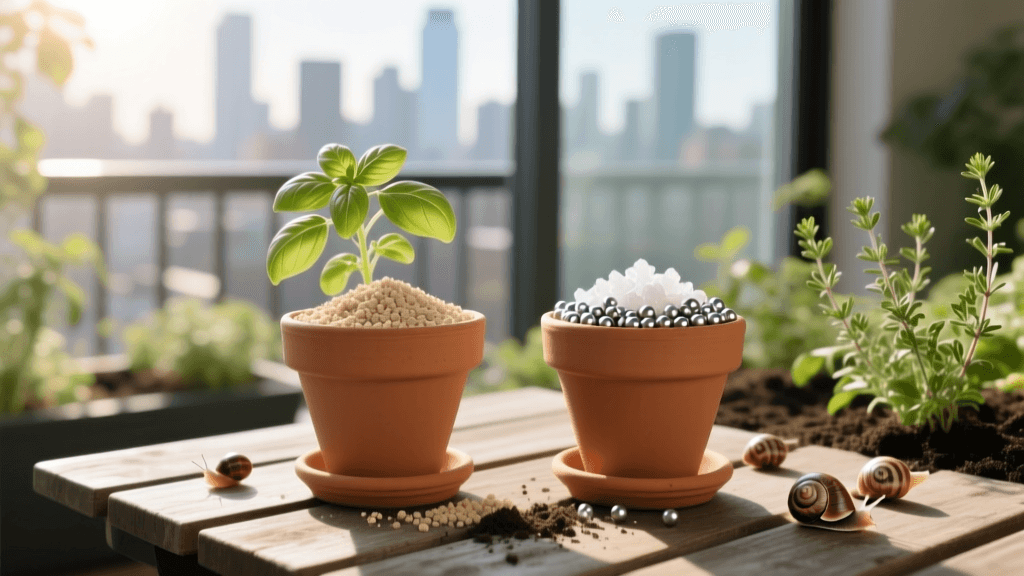
Iron Phosphate vs Metaldehyde: Best Slug Bait for Pots 2026
The Container Gardener's Dilemma: Slugs and Snails in 2026
Container and pot gardening has seen a massive resurgence in 2026, with urban balconies, patio planters, and raised bed setups becoming the cornerstone of modern horticulture. However, the very features that make container gardens thrive—frequent watering, rich organic potting mixes, and sheltered microclimates—also create the perfect breeding ground for slugs and snails. These mollusks hide beneath pot rims, inside drainage saucers, and under the shade of cascading foliage, emerging at night to devour tender leaves and blossoms.
When cultural controls fail, gardeners are typically forced to turn to chemical baits. For decades, the industry standard was metaldehyde. Today, iron phosphate has emerged as the leading alternative. But which one is actually better for the unique ecosystem of a potted plant? In this comprehensive guide, we break down the efficacy, safety, and environmental impact of iron phosphate versus metaldehyde slug baits specifically for container gardening in 2026.
Metaldehyde: The Legacy Molluscicide
Metaldehyde has been the active ingredient in traditional slug and snail baits (such as Deadline and Bug-Geta) for over half a century. It works as a powerful neurotoxin. When a slug or snail ingests metaldehyde, it triggers excessive mucus production and rapid paralysis. The pest loses its ability to retreat to its burrow, ultimately dying from desiccation (dehydration) when exposed to sunlight.
The Pros and Cons for Potted Plants
The primary advantage of metaldehyde is its rapid knockdown effect. You will often see dead slugs on the surface of your potting soil within 12 to 24 hours, providing immediate psychological satisfaction to the gardener. It is also generally cheaper per ounce than organic alternatives.
However, the drawbacks in a modern 2026 garden are severe. Metaldehyde is highly toxic to dogs, cats, and local wildlife. Because container gardens are often situated on patios, decks, and balconies where pets and children play, the risk of accidental ingestion is a major concern. Furthermore, the Environmental Protection Agency (EPA) has heavily scrutinized metaldehyde due to its persistence in water runoff, leading to outright bans in several regions and strict application limits in others. It also offers zero nutritional benefit to your container soil.
Iron Phosphate: The Modern Organic Standard
Iron phosphate (found in popular brands like Sluggo and Escar-Go) represents a paradigm shift in pest management. Unlike metaldehyde, iron phosphate is a naturally occurring soil compound that is approved for organic use by the OMRI (Organic Materials Review Institute).
How It Works in Containers
When a slug or snail consumes iron phosphate, it immediately disrupts their calcium metabolism and digestive system. The pest stops feeding within hours, meaning your potted hostas, petunias, and lettuces are protected almost instantly. However, the actual death of the mollusk takes 3 to 6 days. Instead of dying exposed on the soil surface, the affected slug retreats into its hiding spot (such as under your terra cotta pot or deep into the potting mix) and dies out of sight.
According to the National Pesticide Information Center (NPIC), iron phosphate is practically non-toxic to birds, mammals, and beneficial insects. Crucially for container gardeners, it is safe for earthworms. Earthworms are vital for aerating dense container potting mixes and breaking down organic matter. Furthermore, any unconsumed iron phosphate bait eventually breaks down into iron and phosphorus, acting as a mild, slow-release fertilizer for your potted plants.
Head-to-Head Comparison: Iron Phosphate vs. Metaldehyde
To help you choose the right product for your patio and balcony planters, here is a direct comparison of the two active ingredients based on 2026 market formulations and horticultural standards.
| Feature | Iron Phosphate (e.g., Sluggo) | Metaldehyde (e.g., Deadline) |
|---|---|---|
| Speed of Feeding Cessation | Within 1-3 hours | Within 1-2 hours |
| Time to Death | 3 to 6 days (dies in hiding) | 12 to 24 hours (dies exposed) |
| Pet & Child Safety | Very Safe (Low toxicity) | Highly Toxic (Requires strict caution) |
| Earthworm Safety | Safe (Beneficial for pot aeration) | Moderately Toxic |
| Environmental Impact | Breaks down into fertilizer | Persists in runoff, toxic to aquatic life |
| Organic Certification (OMRI) | Yes | No |
| Average Cost (per lb) | $15 - $22 | $10 - $14 |
Strategic Application for Pots and Planters
Applying slug bait in a container garden requires a different strategy than broadcasting it across a sprawling lawn. Slugs are thigmotactic, meaning they prefer to travel along edges and tight spaces. Broadcasting pellets randomly across the top of your potting soil is highly inefficient and wastes product.
Targeting the Microclimates
- The Saucer Zone: If your pots sit on drainage saucers, this is the primary highway for slugs. Apply a light, scattered ring of iron phosphate bait directly inside the dry outer edge of the saucer.
- Under the Rim: Slugs love hiding under the rolled lips of plastic and terra cotta pots during the day. Place a few pellets tucked just under the pot rim where they are protected from heavy overhead watering.
- Pot Feet and Stands: If your containers are elevated on pot feet, place a small pinch of bait at the base of each foot on the patio surface to intercept climbing mollusks before they reach the soil level.
Timing and Moisture Management
The University of California Statewide Integrated Pest Management Program emphasizes that molluscicides are most effective when applied in the evening, immediately after watering your containers. Slugs and snails are nocturnal and require high moisture to travel. Watering your pots in the late afternoon creates the humid conditions that draw them out of the potting mix, ensuring they encounter the bait during their nightly foraging. Avoid applying bait if heavy rain is forecasted, as even water-resistant formulations can wash out of shallow container saucers.
Beyond Bait: IPM Strategies for Container Gardens
While iron phosphate is an incredibly effective tool, a true Integrated Pest Management (IPM) approach in 2026 relies on combining chemical controls with physical and cultural barriers to protect your potted investments.
- Copper Mesh and Tape: Slugs experience a mild electrical shock when their mucus reacts with copper. Wrapping a band of copper tape around the exterior of your pots, or stuffing copper mesh into the drainage holes, creates an excellent physical barrier that prevents ground-dwelling slugs from entering the container.
- Elevate and Isolate: Keep your container plants off the ground using sturdy plant stands. Ensure that the foliage of your potted plants does not touch the ground, nearby fences, or adjacent plants, effectively cutting off 'bridges' that snails use to bypass physical barriers.
- Adjust Watering Schedules: Container plants dry out faster than in-ground gardens, but overhead watering in the evening leaves the foliage and soil surface wet all night. Switch to morning watering, or use drip irrigation lines directed at the base of the plant to keep the upper potting mix surface dry and uninviting to mollusks.
- Hand-Picking and Trapping: For small balcony gardens, a nightly patrol with a flashlight and a pair of tongs remains one of the most effective ways to reduce the initial population. Drop captured pests into a bucket of soapy water. Avoid traditional beer traps in containers, as they can drown beneficial ground beetles and often overflow into your carefully balanced potting soil, disrupting nutrient levels.
The 2026 Verdict: Which Should You Choose?
For the modern container gardener, iron phosphate is the undisputed champion. While metaldehyde offers a slightly faster visible kill, its severe toxicity to pets, its harmful impact on beneficial soil organisms, and its environmental risks make it an outdated choice for the confined, high-traffic areas where pots and planters are typically kept.
Iron phosphate provides rapid protection by halting feeding damage almost immediately, ensures the safety of your furry companions and local wildlife, and doubles as a soil amendment. By combining iron phosphate bait with smart watering practices and copper barriers, you can maintain a pristine, pest-free container garden throughout the 2026 growing season.