Pest Control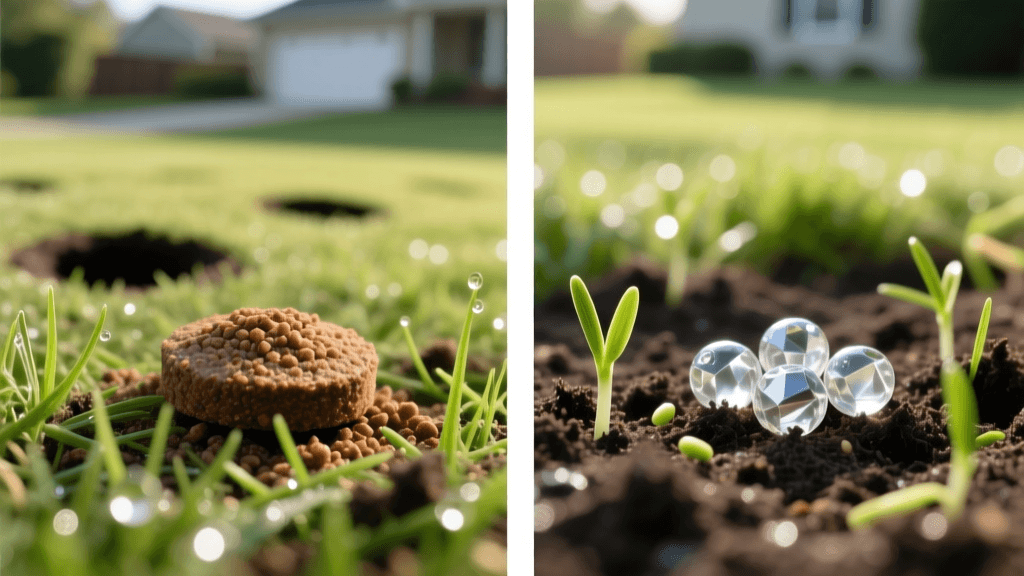
Iron Phosphate vs Metaldehyde Slug Bait: 2026 Seed Protection
The Vulnerability of a Fresh Seedbed
Core aeration and overseeding are the cornerstones of a thick, resilient lawn. By pulling soil plugs and introducing premium grass seed, you relieve compaction and encourage deep root growth. However, the very conditions required to germinate grass seed in 2026—consistent surface moisture, moderate temperatures, and exposed, loose soil—are the exact same conditions that invite devastating slug and snail populations. When you aerate and seed, you are inadvertently rolling out a red carpet for mollusks.
Grass seeds and their delicate cotyledons (the first emerging leaves) are tender, nutrient-dense, and entirely defenseless against the rasping radula of a slug. A heavy infestation can wipe out a newly overseeded lawn in a matter of days, leaving you with bare patches and wasted investment. Protecting the seedbed is paramount, but the method you choose to control these pests will drastically impact your soil biology, local wildlife, and the long-term success of your turf. In 2026, the debate between iron phosphate and metaldehyde slug baits has largely been settled by environmental regulators and turfgrass scientists, but understanding the 'why' is crucial for any serious lawn care enthusiast.
Iron Phosphate: The 2026 Standard for Seeded Lawns
Iron phosphate has become the undisputed champion of residential and commercial slug control. Derived from naturally occurring soil elements, iron phosphate baits (often combined with EDTA to enhance bioavailability) work by disrupting the calcium metabolism in the mollusk's digestive system. Upon ingesting the bait, the slug or snail immediately stops feeding, though it may take three to six days for the pest to expire. During this time, they retreat to their hiding spots, meaning you won't see unsightly dead mollusks littering your fresh seedbed.
From an aeration and seeding perspective, iron phosphate offers a massive secondary benefit: it acts as a fertilizer. As the bait breaks down, it releases iron and phosphorus into the soil profile. Iron promotes deep green coloration in emerging grass blades, while phosphorus is critical for early root development in germinating seeds. Furthermore, according to the United States Environmental Protection Agency (EPA), iron phosphate is highly targeted and poses virtually no risk to earthworms, beneficial insects, birds, or pets. This makes it an OMRI-listed (Organic Materials Review Institute) staple for organic lawn care programs in 2026.
Metaldehyde: A Fading and Toxic Relic
Metaldehyde was once the go-to chemical for rapid slug eradication. It acts as a severe neurotoxin, causing hyperactivity, tremors, and eventual death in mollusks. While it undeniably kills slugs quickly, its collateral damage is catastrophic. Metaldehyde is highly toxic to dogs, cats, and wildlife. Secondary poisoning is a major concern; birds and ground-foraging mammals that consume poisoned slugs or the bait itself often suffer fatal neurological consequences.
By 2026, the regulatory landscape for metaldehyde has shifted dramatically. Following comprehensive bans in the UK and across the European Union due to severe waterway contamination, the Royal Horticultural Society (RHS) and global environmental bodies have firmly advised against its use. In the United States, the EPA has heavily restricted metaldehyde formulations, requiring strict bait stations and banning broadcast applications in many municipalities to protect watersheds. Using metaldehyde on a residential lawn during overseeding is not only environmentally irresponsible but increasingly illegal depending on your local jurisdiction.
The Earthworm Factor: Biological Aeration vs Chemical Harm
When discussing lawn aeration, we must look beyond mechanical core aeration and consider biological aeration. Earthworms are nature's aerators, constantly tunneling through the soil, improving drainage, and leaving behind nutrient-rich castings. Metaldehyde is notorious for harming earthworm populations and disrupting the delicate soil food web. Applying a broad-spectrum neurotoxin to a freshly aerated lawn defeats the purpose of promoting soil health.
Conversely, iron phosphate is entirely safe for earthworms. In fact, the University of Minnesota Extension highlights that iron phosphate baits break down harmlessly in the soil food web, allowing beneficial nematodes, mycorrhizal fungi, and earthworms to thrive. These beneficial organisms are essential for breaking down the thatch layer and helping new grass seedlings establish deep, drought-resistant root systems.
2026 Comparison Chart: Iron Phosphate vs Metaldehyde
| Feature | Iron Phosphate (e.g., Sluggo, Escar-Go) | Metaldehyde (Traditional Blue Pellets) |
|---|---|---|
| Active Ingredient | Ferric Sodium EDTA / Iron Phosphate | Metaldehyde (Neurotoxin) |
| Toxicity to Pets & Wildlife | Very Low (Safe for dogs, cats, birds) | Extremely High (Fatal if ingested) |
| Impact on Earthworms | None (Safe for soil biology) | Harmful (Disrupts biological aeration) |
| Speed of Control | Stops feeding in hours; death in 3-6 days | Rapid death (12-48 hours) |
| Soil Residual Benefit | Breaks down into Iron and Phosphorus fertilizer | No nutritional value; potential chemical runoff |
| 2026 Legal Status | Widely approved, OMRI-listed for organic use | Banned in UK/EU; heavily restricted in US |
| Avg. Cost (2026) | ~$18.00 per 2.5 lb bag (covers ~2,500 sq ft) | ~$12.00 per 2.5 lb bag (hidden environmental costs) |
Step-by-Step Application Protocol for Overseeding
To maximize seed germination while minimizing slug damage, timing and application technique are critical. Slugs are nocturnal and thrive in the damp, shaded microclimates created by daily seed-watering routines. Follow this integrated protocol for your 2026 aeration and seeding project:
- Aerate and Prep: Core aerate the lawn to relieve compaction. Rake away dead thatch and debris to expose the soil surface. Slugs hide in thick thatch during the day; removing their daytime harborages is a vital first step.
- Pre-Seed Baiting: Apply an iron phosphate bait at the rate of 1 pound per 1,000 square feet before spreading your grass seed. This targets the existing adult slug population before they can lay eggs in the freshly disturbed, moist soil cores.
- Sow the Seed: Broadcast your chosen turfgrass seed and lightly rake it into the aeration holes and soil surface.
- Watering Strategy: Iron phosphate baits require moisture to become palatable to slugs, but you must avoid washing the pellets away. Use a fine mist sprinkler to keep the seedbed moist without creating runoff. Watering in the early morning is highly recommended to allow the surface to dry slightly by evening, making it less hospitable for nocturnal slug foraging.
- Follow-Up Application: Iron phosphate degrades naturally over a few weeks. Plan a second application 14 to 21 days after the initial seeding to protect the tender new grass shoots as they emerge and before the first mowing.
Integrated Pest Management (IPM) for the Seedbed
While iron phosphate is a highly effective tool, true pest control in 2026 relies on Integrated Pest Management (IPM). Chemical and organic baits should be paired with cultural controls to create an environment where grass seed thrives and slugs struggle.
- Strategic Watering: Newly seeded lawns require frequent, light watering. However, watering in the late afternoon or evening guarantees a damp surface all night, which is an open invitation for slugs. Shift your irrigation schedule to early morning (e.g., 5:00 AM to 8:00 AM). The seedbed will remain moist enough for germination, but the surface will dry out enough by dusk to deter mollusk movement.
- Mowing Height: Once the new grass reaches three inches, mow it down to 2.5 inches. Never remove more than one-third of the blade at a time. Keeping the grass slightly shorter during the establishment phase reduces surface shade and humidity, discouraging slug activity.
- Beneficial Nematodes: For a completely biological approach, consider applying Phasmarhabditis hermaphrodita nematodes to the soil a week before aeration. These microscopic worms parasitize slugs underground, reducing the population before the seed even hits the soil. Note that nematodes require specific soil temperatures (above 50°F) to be effective.
Conclusion
Protecting your investment in lawn aeration and overseeding requires a proactive approach to pest control. As of 2026, the choice between iron phosphate and metaldehyde is clear. Metaldehyde poses unacceptable risks to pets, wildlife, and the vital soil biology required for a healthy lawn. Iron phosphate not only provides reliable, targeted slug control but also enriches the soil with essential nutrients for your new grass seed. By combining OMRI-listed iron phosphate baits with smart watering practices and thatch management, you can ensure your newly seeded lawn establishes thick, green, and completely slug-free.