Pest Control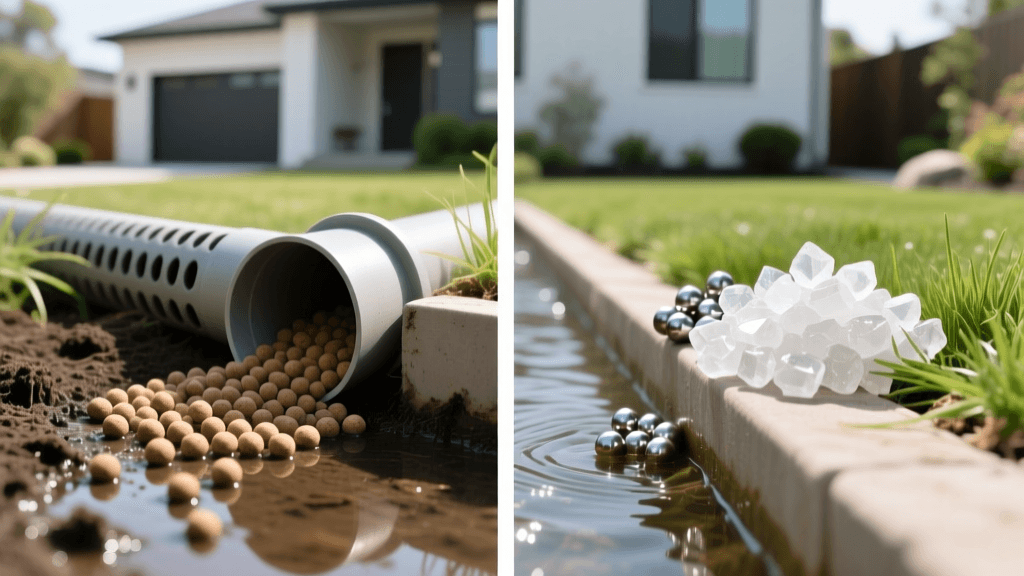
Slug Bait Near Drainage Pipes: Iron Phosphate vs Metaldehyde 2026
The Hidden Mollusk Highway: Slugs, Snails, and Landscape Drainage
As extreme weather patterns continue to dictate landscaping trends in 2026, the installation of advanced landscape drainage pipes has become a standard practice for homeowners and commercial property managers alike. French drains, corrugated HDPE tubing, PVC Schedule 40 trench drains, and NDS catch basins are essential for moving excess water away from foundations and preventing soil erosion. However, this critical infrastructure inadvertently creates the perfect microhabitat for some of the most destructive garden pests: slugs and snails.
Mollusks require high moisture levels to survive, reproduce, and travel. The gravel envelopes surrounding perforated drainage pipes, the damp soil beneath catch basins, and the shaded outflows of pop-up emitters provide ideal daytime hiding spots and nighttime breeding grounds. When managing these pests, homeowners face a critical decision regarding chemical controls. The choice between traditional metaldehyde baits and organic iron phosphate alternatives is no longer just about pet safety; it is fundamentally about protecting your local watershed from toxic runoff channeled directly through your drainage infrastructure.
Iron Phosphate vs. Metaldehyde: The 2026 Comparison
Understanding the chemical behavior of slug and snail baits in high-moisture, high-flow environments is essential for modern Integrated Pest Management (IPM). Below is a comprehensive comparison of the two primary active ingredients used in mollusk control as of 2026.
| Feature | Iron Phosphate (e.g., Sluggo, Escar-Go) | Metaldehyde (e.g., Deadline, Corry's) |
|---|---|---|
| Toxicity to Pets/Wildlife | Very Low (OMRI Listed for organic use) | High (Highly toxic to dogs, birds, and aquatic life) |
| Runoff Risk via Drain Pipes | Minimal (Breaks down into natural soil fertilizer) | Severe (Leaches into groundwater and storm drains) |
| Speed of Kill | 3 to 6 days (Pests stop feeding immediately) | 1 to 2 days (Causes severe nervous system failure) |
| 2026 Avg Cost (per lb) | $18.00 - $26.00 | $12.00 - $16.00 |
| Efficacy in Wet Drain Zones | High (Extruded pellets resist rapid dissolution) | Low (Readily dissolves and washes into pipe trenches) |
Why Metaldehyde is a Liability Near Drainage Infrastructure
Metaldehyde has been a staple in pest control for decades, but its use near landscape drainage pipes is now widely discouraged by environmental scientists and horticulturists. The primary issue is its high solubility and environmental persistence in aquatic ecosystems. When metaldehyde pellets are broadcast near a French drain inlet, a channel drain grate, or the perforated sections of a corrugated pipe, they are highly susceptible to being washed into the drainage trench during heavy rains.
Once inside the drainage pipe network, the toxic slurry is rapidly transported to dry wells, storm sewers, or local waterways. According to the University of California Integrated Pest Management program, metaldehyde is highly toxic to aquatic organisms and can contaminate drinking water sources. As of 2026, numerous municipalities and regional water boards have enacted strict bans or heavy restrictions on metaldehyde-based products due to frequent detections in municipal watershed runoff. Furthermore, metaldehyde degrades the beneficial soil microbiome within your drainage trench, potentially leading to soil compaction and reduced percolation rates over time.
The Case for Iron Phosphate in IPM and Drainage Zones
Iron phosphate represents the gold standard for mollusk control in modern, eco-conscious landscaping. When a slug or snail ingests iron phosphate, it interferes with their calcium metabolism, causing them to stop feeding almost immediately and retreat to their hiding spots—often deep within your drainage pipe gravel beds—where they die within a few days.
The true advantage of iron phosphate, however, lies in its environmental fate. The U.S. Environmental Protection Agency (EPA) recognizes iron phosphate as a naturally occurring soil compound that poses minimal risk to the environment. If iron phosphate pellets are washed into a landscape drainage pipe trench by heavy rainfall, they do not poison the water table. Instead, the active ingredient breaks down into iron and phosphate, two essential plant nutrients that actually benefit the deep-rooted shrubs and trees planted near your drainage outflows. This makes iron phosphate the only responsible choice for baiting around catch basins, trench drains, and downspout extensions.
Best Practices for Bait Application Around French Drains and Catch Basins
To maximize the efficacy of iron phosphate while maintaining the integrity of your landscape drainage system, follow these targeted application strategies:
1. Target the Gravel Envelope and Trench Edges
Slugs and snails use the porous gravel envelope of a French drain as a daytime sanctuary. Rather than broadcasting bait randomly across the lawn, apply a light, even band of iron phosphate pellets directly along the soil-to-gravel transition line of your drainage trenches. This intercepts the pests as they emerge at dusk to feed on your ornamental plants.
2. Protect Catch Basins and Grates
NDS catch basins and surface grates collect surface debris, which serves as a food source for mollusks. Apply iron phosphate bait in a two-foot radius around these inlets. Because iron phosphate is safe for aquatic life, any pellets that accidentally fall through the grate and into the sump will not pose a threat to the local ecosystem when the water eventually flushes out.
3. Combine with Physical Pipe Barriers
For exposed PVC cleanouts and pop-up drainage emitters, wrap the base of the pipe with copper tape. Copper reacts with the slime secreted by slugs and snails, delivering a mild electrical shock that deters them from using the pipe exterior as a bridge to cross your yard. Pairing copper barriers with localized iron phosphate baiting creates a highly effective, multi-layered IPM defense.
4. Manage Moisture and Debris
Drainage pipes are designed to move water, but clogged outflows create stagnant puddles that attract pests. Regularly inspect your pop-up emitters and daylighted pipe ends to ensure they are free of leaves and sediment. By keeping the drainage outflows clear, you reduce the ambient moisture that draws mollusks to the area in the first place, thereby reducing your overall reliance on chemical baits.
Conclusion
Managing slugs and snails in a yard equipped with comprehensive landscape drainage requires a nuanced approach. While metaldehyde may offer a slightly lower upfront cost and a faster kill time, its severe environmental risks—particularly its tendency to leach into groundwater and storm drains via your drainage pipes—make it an obsolete and dangerous choice for modern landscaping. Iron phosphate provides a highly effective, pet-safe, and environmentally restorative alternative that aligns perfectly with the goals of sustainable yard care in 2026. By targeting your bait applications to the specific microhabitats created by your drainage infrastructure, you can protect your plants, your pets, and your local watershed simultaneously.