Lawn Care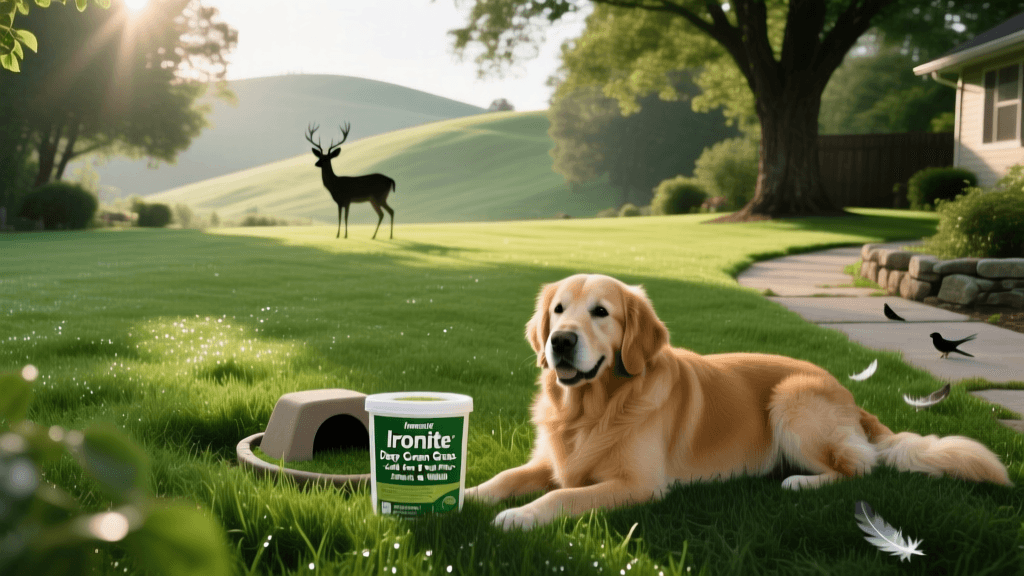
Ironite Lawn Supplement 2026: Deep Green Grass & Pet Safety
The Quest for Emerald Lawns in 2026
As homeowners and landscaping professionals navigate the 2026 growing season, the desire for a lush, deep green lawn remains a top priority. A dark emerald turf is often the hallmark of a well-maintained yard, and achieving this color frequently requires targeted micronutrient supplementation. Ironite has long been a go-to product for correcting iron deficiencies and pushing grass into a state of vibrant, dark green health without causing the excessive top growth associated with high-nitrogen fertilizers. However, as our understanding of local ecosystems and yard animal management has evolved, so too must our application strategies. Using iron supplements in environments shared by pets, foraging birds, and local wildlife requires a careful, informed approach to prevent accidental toxicity and environmental runoff.
Understanding Ironite and Iron Supplementation
Ironite is a commercial lawn supplement that delivers soluble iron, along with other secondary macronutrients and micronutrients, directly to the soil and turfgrass. In many lawns, particularly those with alkaline soils (pH above 7.0), iron becomes 'locked up' and unavailable to the grass roots. Even if iron is present in the soil, the high pH prevents the grass from absorbing it, leading to iron chlorosis—a condition where the grass turns yellow or pale green while the veins remain dark.
The Mechanism of Deep Greening
Iron is a crucial component in the production of chlorophyll, the pigment responsible for the green color in plants and the primary driver of photosynthesis. When turfgrass receives an adequate dose of bioavailable iron, chlorophyll production surges. This results in a rapid, intense darkening of the grass blades. Unlike nitrogen, which forces the plant to grow taller and requires more frequent mowing, iron primarily enhances color and cellular efficiency. In 2026, modern formulations of Ironite and similar iron supplements are designed to be more environmentally conscious than their historical counterparts, though the core risks to wildlife and pets remain if the product is misapplied.
Wildlife and Pet Exposure Risks
While achieving a dark green turf is aesthetically pleasing, we must consider the local ecosystem. Yards are not isolated environments; they are shared habitats for domestic pets, neighborhood cats, foraging birds, small mammals, and amphibians. Managing iron supplementation safely means understanding how these animals interact with treated lawns.
Canine and Feline Iron Toxicity
Dogs are naturally curious and frequently graze on grass, dig in the soil, or ingest granular products that smell or taste interesting. Cats, while less likely to graze extensively, can ingest iron residues by grooming their paws after walking across a freshly treated lawn. According to veterinary toxicologists and resources like the Pet Poison Helpline, iron toxicity in pets is a serious medical emergency. When a dog ingests a large amount of granular iron supplement, the free iron ions cause severe oxidative damage to the gastrointestinal lining. Symptoms of acute iron poisoning include vomiting (sometimes with blood), diarrhea, lethargy, abdominal pain, and in severe cases, liver failure or cardiovascular shock. To protect your pets, granular iron products must be watered in immediately and the lawn kept off-limits until completely dry.
Avian and Foraging Wildlife Concerns
Birds such as robins, starlings, and crows frequently forage for grubs, earthworms, and insects in residential lawns. If granular Ironite is left sitting on the surface of the turf, birds may mistake the small pellets for seeds or grit. Ingesting concentrated iron granules can lead to heavy metal toxicity in avian species, disrupting their digestive systems and causing fatal organ damage. Furthermore, earthworms—which are vital for soil aeration and serve as a primary food source for many yard animals—can absorb excess soluble iron from the soil, potentially bioaccumulating heavy metals that are then passed up the food chain to birds and small mammals.
Amphibian and Aquatic Ecosystem Runoff
Frogs, toads, and salamanders are highly sensitive to chemical changes in their environment due to their permeable skin. Lawns that slope toward storm drains, ponds, or natural wetlands pose a significant runoff risk. When heavy rains occur shortly after an iron application, the soluble iron and accompanying salts can wash into local waterways. The Environmental Protection Agency (EPA) highlights that nutrient and chemical runoff severely impacts local watersheds, leading to altered water chemistry that can be lethal to amphibian populations and aquatic invertebrates. Managing lawn care in 2026 means taking responsibility for the 'edge' of your property where your turf meets natural habitats.
2026 Iron Supplement Comparison Chart
Not all iron supplements carry the same level of risk to wildlife and pets. Below is a comparison of the most common iron products used for lawn greening, evaluated on their safety profile and environmental impact.
| Product Type | Greening Speed | Wildlife & Pet Risk | Runoff Risk | Best Use Case |
|---|---|---|---|---|
| Traditional Granular Ironite | Fast (3-7 days) | Moderate to High (if left on surface) | Moderate | Large lawns, strict watering-in protocols required. |
| Liquid Chelated Iron | Very Fast (24-48 hours) | Low (once absorbed/dried) | Low | Spot treatments, pet-heavy yards, near water features. |
| Ferrous Sulfate (Granular) | Fast (5-10 days) | High (highly concentrated salts) | High | Agricultural or non-wildlife turf areas only. |
| Organic Iron (e.g., Blood Meal/Milorganite) | Slow (2-4 weeks) | Low (but attracts scavengers by scent) | Very Low | Eco-friendly yards, slow-release feeding programs. |
Safe Application Protocols for Wildlife-Friendly Yards
If you determine that your soil requires iron to achieve that deep green color, you must apply it in a way that prioritizes the safety of your local fauna. Follow these actionable steps for wildlife and pet-safe application in 2026:
- Test Your Soil First: Never apply iron blindly. Use a 2026-certified soil test kit to confirm that your soil pH is high (above 7.0) and that iron is indeed the limiting factor causing yellowing. Applying iron to already acidic soil can lead to toxic buildup.
- Choose Liquid Chelated Iron for Sensitive Areas: If your yard borders a pond, wetland, or is heavily trafficked by neighborhood wildlife, opt for a liquid chelated iron spray. Chelation binds the iron to an organic molecule, keeping it available to the plant while reducing the risk of heavy metal leaching into the soil and water table.
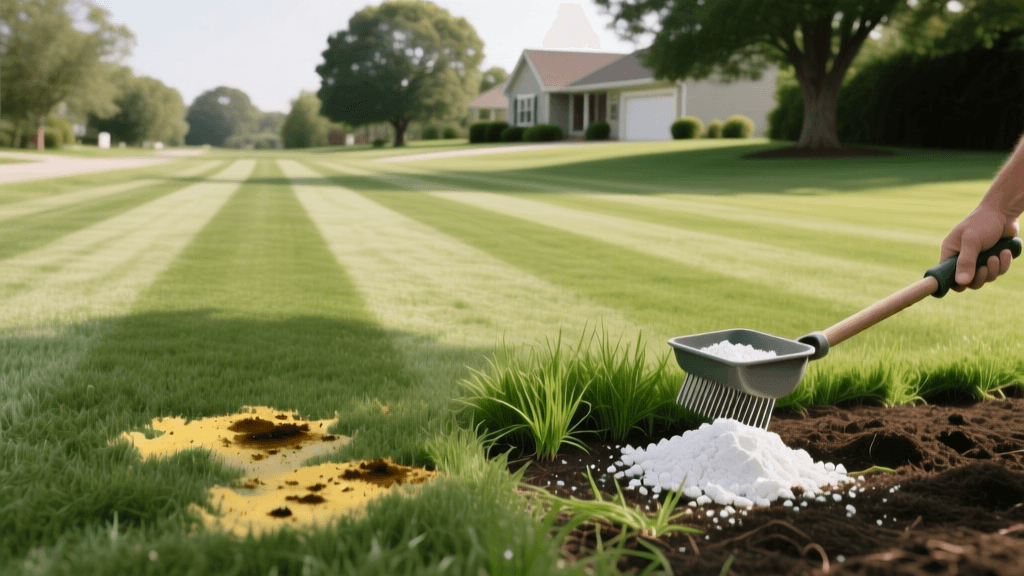
- Water In Granular Products Immediately: If using granular Ironite, apply it when the grass is dry, then irrigate the lawn with at least 0.5 inches of water immediately afterward. This washes the granules off the grass blades and deep into the soil profile, removing the temptation for foraging birds and preventing paw-burns on dogs.
- Enforce a 24-Hour Exclusion Zone: Keep all pets, children, and domestic animals off the treated lawn for a minimum of 24 hours, or until the grass is completely dry and the product has fully integrated into the soil.
- Maintain Buffer Zones: Establish a 5-to-10-foot 'no-treatment' buffer zone between your lawn and any natural woodland edges, streams, or storm drains to protect amphibians and aquatic life from chemical runoff.
Eco-Friendly Alternatives to Traditional Ironite
For homeowners who want to minimize synthetic chemical use and eliminate the risk of iron toxicity to their pets and local wildlife, there are excellent organic alternatives. Products derived from composted biosolids (like Milorganite) or organic blood meal contain naturally occurring, slow-release iron. While these products will not provide the overnight 'paint-like' greening effect of synthetic chelated iron, they improve the overall soil biology and provide a steady, safe supply of micronutrients. Additionally, top-dressing your lawn with high-quality, iron-rich compost in the early spring of 2026 can naturally lower soil pH over time, unlocking the iron already present in your native soil without the need for concentrated supplements.
Conclusion
Achieving a deep green, envy-inducing lawn in 2026 does not require sacrificing the health of your pets or the local wildlife population. By understanding the mechanics of iron supplementation, recognizing the signs of iron toxicity, and choosing the right product formulation for your specific yard ecology, you can maintain a vibrant turf that coexists harmoniously with nature. Always prioritize soil testing, adhere to strict watering-in protocols, and consider liquid or organic alternatives to ensure your lawn care routine remains safe, sustainable, and effective for years to come.