Lawn Care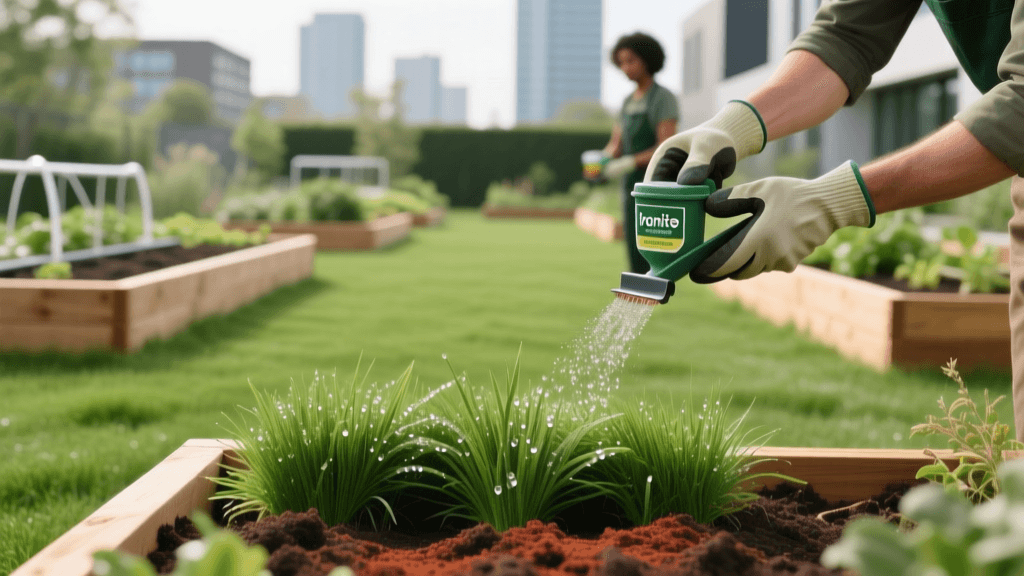
Using Ironite for Deep Green Lawns in 2026 Foodscapes
The 2026 Foodscape Challenge: Greener Lawns Without Compromising Edibles
As we navigate the evolving landscaping trends of 2026, the modern yard is no longer just a monoculture of turfgrass. The rise of edible landscaping and foodscaping has transformed suburban lawns into vibrant, multi-functional ecosystems where vegetable beds, fruit-bearing shrubs, and perennial herbs coexist with traditional grassy areas. However, maintaining a lush, dark green lawn that serves as a visual anchor for your edible garden presents a unique challenge. You want the striking aesthetic contrast of a deep green lawn against the bright foliage of your food crops, but you must also protect your edibles from synthetic chemical drift and soil contamination.
This is where Ironite lawn supplement enters the conversation. Famous for delivering a rapid, deep green color without the excessive, disease-promoting growth spurts caused by high-nitrogen fertilizers, Ironite is a staple for turf enthusiasts. But how does this popular micronutrient supplement fit into a foodscape? In this comprehensive guide, we will explore the science behind Ironite, establish critical safety buffer zones for your edible plants, and outline food-safe alternatives for areas where turf and food crops intimately overlap.
The Science of Green: Why Lawns Need Iron
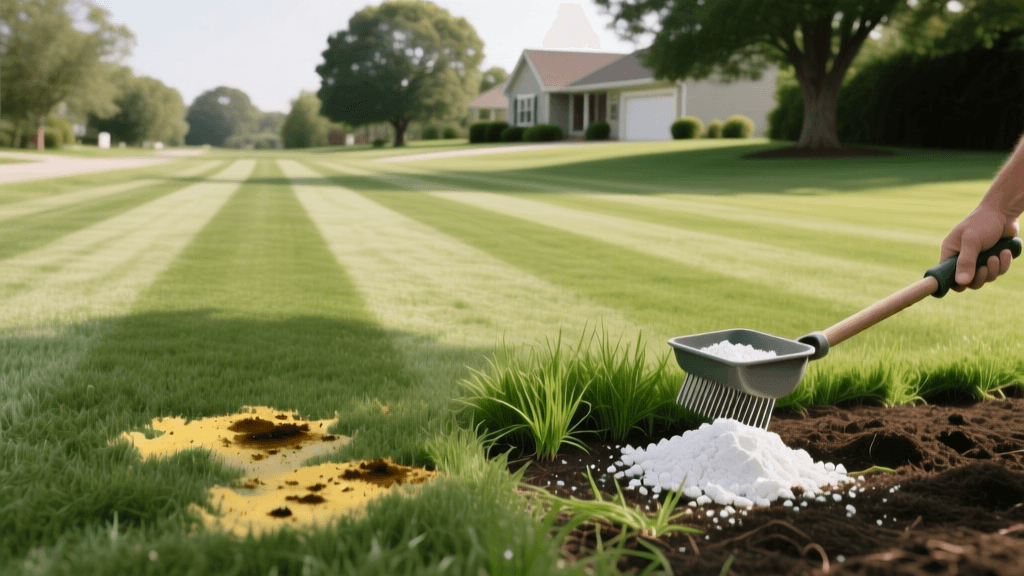
To understand why Ironite is so effective, we must first look at plant biology. Iron is a crucial micronutrient for all green plants. While it is not a structural component of chlorophyll itself, it is an essential catalyst for the enzymes that synthesize chlorophyll. When a lawn is iron-deficient, it develops a condition known as iron chlorosis, characterized by yellowing leaves with green veins.
Iron is not a structural component of chlorophyll, but it is essential for the enzymes that synthesize it. Without adequate bioavailable iron, your lawn cannot produce the deep green pigment that makes a foodscape visually striking.
In many 2026 foodscapes, the soil pH tends to drift upward (becoming more alkaline) due to the frequent application of wood ash, lime, or certain organic composts used for vegetable production. In alkaline soils (pH above 7.0), naturally occurring iron becomes chemically locked up and unavailable to grass roots. Ironite bypasses this issue by providing highly soluble forms of iron, manganese, and magnesium that the grass can absorb quickly, restoring that coveted dark emerald hue.
What is Modern Ironite? (2026 Formulation Breakdown)
Historically, some iron supplements carried a stigma due to trace heavy metals derived from mining byproducts. However, the modern 2026 formulations of Pennington Ironite are heavily regulated, refined, and specifically engineered for safe residential turf application. Today's Ironite typically features a low N-P-K ratio (such as 1-0-1 or similar micronutrient-heavy blends) fortified with:
- Iron (Fe): The primary greening agent, often in a fast-acting sulfate or chelated form.
- Manganese (Mn): Assists in photosynthesis and nitrogen metabolism.
- Magnesium (Mg): The central atom of the chlorophyll molecule, working synergistically with iron.
- Sulfur (S): Helps gently lower the immediate soil pH around the grass roots, improving nutrient uptake.
Because it lacks the massive nitrogen loads found in traditional spring weed-and-feed products, Ironite greens up your lawn without forcing rapid, weak blade growth that attracts pests to your nearby vegetable gardens.
Is Ironite Safe Around Vegetable Beds and Fruit Trees?
The most critical question for any foodscape designer is safety. While modern Ironite is completely safe for use on ornamental turf and play areas, it is not an OMRI-listed organic product and is not intended for direct application on food crops. The synthetic salts and mineral sulfates in the supplement can alter the delicate soil microbiome required for optimal vegetable production and may cause root burn if concentrated near tender edible seedlings.
Furthermore, managing nutrient runoff is a vital component of sustainable landscaping. According to the EPA's guidelines on nutrient pollution, preventing the migration of synthetic fertilizers and mineral supplements into unintended zones is crucial for protecting local watersheds and maintaining soil integrity. In a foodscape, this means preventing Ironite granules from washing into your raised beds or the root zones of your berry bushes during heavy spring rains.
Establishing Buffer Zones in Your Edible Landscape
To safely use Ironite for deep green grass color in a yard that also produces food, you must implement physical and procedural buffer zones.
1. The 3-to-5 Foot Rule
Maintain a minimum buffer zone of three to five feet between your Ironite-treated turf and any edible plantings. This distance accounts for standard sprinkler drift, granular bounce from rotary spreaders, and minor surface water runoff during heavy irrigation.
2. Physical Edging and Trenching
Install deep physical barriers, such as metal or heavy-duty plastic landscape edging, between your lawn and your ground-level vegetable beds. A shallow trench (often called a French edge) can also capture stray granules and prevent lateral water migration into the food crop root zones.
3. Drop Spreaders Over Rotary Spreaders
When treating the lawn areas immediately adjacent to your food garden, abandon the rotary broadcast spreader. The spinning impeller will inevitably fling Ironite granules into your spinach or strawberry patches. Instead, use a drop spreader for precise, edge-to-edge application that stops exactly where the lawn ends.
Step-by-Step Application Guide for 2026
If you have established your buffer zones and are ready to green up your turf, follow these actionable steps for the best results:
- Test Your Soil pH: Before applying any iron supplement, verify your lawn's pH. The USDA NRCS soil health guidelines emphasize that understanding your baseline soil chemistry prevents nutrient lockout. If your lawn pH is above 7.5, Ironite will still work, but a liquid chelated iron might be more efficient.
- Mow First: Cut your grass to its recommended height and remove the clippings. This ensures the Ironite granules reach the soil surface rather than getting trapped in the thatch layer.
- Apply to Dry Grass: Apply the Ironite granules to a dry lawn using a drop spreader. Sweeping any granules that land on concrete or stone hardscapes is mandatory, as iron sulfates will permanently stain porous surfaces a rusty orange.
- Water it In: Lightly irrigate the lawn with about 1/4 inch of water. This dissolves the granules and washes the micronutrients into the root zone, preventing them from blowing into your edible garden beds on a windy day.
- Wait for the Magic: You will typically see a dramatic shift to a deep, dark green color within 7 to 14 days, depending on soil temperatures and sunlight exposure.
Food-Safe Iron Alternatives for Edible Groundcovers
What if your foodscape blurs the line between lawn and garden? Many modern homesteaders are replacing traditional turf with edible or medicinal groundcovers like creeping thyme, chamomile, white clover, and alpine strawberries. In these mixed zones, you cannot use synthetic Ironite. Instead, you must rely on food-safe, organic iron sources that are certified for use around edibles. The Organic Materials Review Institute (OMRI) maintains strict standards for products that can safely be used in organic food production.
For these delicate, edible lawn alternatives, liquid kelp extracts and organic EDDHA chelated iron are your best options. They provide the necessary micronutrients to keep your clover and thyme looking vibrant without introducing synthetic salts into your food chain.
Comparison Chart: Ironite vs. Food-Safe Iron Sources
Choosing the right product depends entirely on the specific zone of your foodscape. Use the table below to determine which iron supplement belongs in which area of your 2026 landscape.
| Product Type | Best Used For | Foodscape Safety Zone | Speed of Greening | Soil pH Dependency |
|---|---|---|---|---|
| Granular Ironite | Traditional turfgrass, play areas, ornamental borders | Strict 3-5 ft buffer from edibles | Fast (7-14 days) | Moderate (works best below 7.5) |
| Liquid Kelp Extract | Edible groundcovers, mixed herb lawns, foliar feeding | 100% Food-Safe (Direct contact OK) | Gradual (14-21 days) | Low (highly bioavailable) |
| Organic Chelated Iron (EDDHA) | Acid-loving edible shrubs (blueberries), alkaline soil lawns | 100% Food-Safe (Direct contact OK) | Fast (5-10 days) | Low (effective in high pH) |
| Compost Tea (Iron-rich) | Overall soil building, vegetable beds, fruit tree root zones | 100% Food-Safe (Direct contact OK) | Slow (Long-term health) | None (buffers soil pH) |
Final Thoughts for the Modern Foodscape
Achieving a deep, dark green lawn in 2026 does not require sacrificing the safety or productivity of your edible landscape. By understanding the biological role of iron, respecting the chemical nature of supplements like Ironite, and enforcing strict buffer zones, you can enjoy the best of both worlds. Use Ironite to create a stunning, emerald-green canvas for your traditional turf areas, and rely on OMRI-listed organic alternatives to nourish your edible groundcovers and vegetable beds. With careful planning and precise application, your foodscape will be as visually breathtaking as it is bountiful.