Lawn Care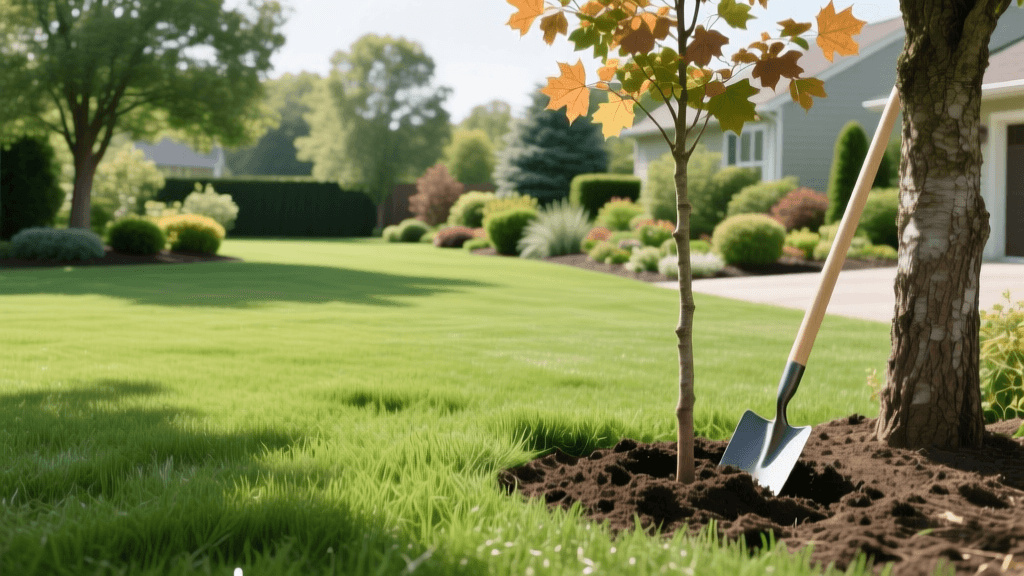
Ironite for Deep Green Lawns and Tree Planting 2026
Introduction: The Quest for a Deep Green Lawn and a Thriving Canopy
Achieving a deep, emerald-green lawn while simultaneously establishing a robust canopy of shade trees is a hallmark of premium landscape design in 2026. Homeowners often face a delicate balancing act: the products used to enhance turf color can significantly impact the soil chemistry and root health of newly planted trees. Among the most popular turf colorants is Ironite, a staple lawn supplement renowned for correcting iron deficiencies and promoting a rich, dark green grass color without the excessive top growth associated with high-nitrogen fertilizers. However, when viewed through the lens of tree selection and planting guides, applying Ironite requires a strategic approach. The sulfur and micronutrients in Ironite alter soil pH and microbial activity, which can either benefit or harm your newly planted trees depending on the species selected. In this comprehensive 2026 guide, we explore how to leverage Ironite for a stunning lawn while ensuring your tree plantings thrive in the same shared soil ecosystem.
The 2026 Ironite Formulation: What is in the Bag?
To understand how Ironite interacts with tree root zones, we must first examine its modern formulation. Current Ironite mineral supplements typically carry an N-P-K ratio of 1-0-1, but their true value lies in the secondary macronutrients and micronutrients. A standard application delivers approximately 20% iron, alongside significant amounts of sulfur, calcium, and magnesium. The iron in Ironite is often derived from iron oxide or iron sulfate, which is highly effective at correcting chlorosis (yellowing) in turfgrass. The sulfur component is equally important; as soil microbes process elemental sulfur, it converts to sulfuric acid, naturally lowering the soil pH. For cool-season and warm-season grasses, a slightly acidic to neutral pH (6.0 to 7.0) is ideal for nutrient uptake. But how does this chemical shift affect the broader landscape, particularly the expansive root systems of newly planted shade and ornamental trees?
The Intersection of Lawn Iron and Tree Root Zones
When you plant a tree in a lawn setting, the tree's structural and feeder roots will rapidly expand into the surrounding turf area. According to the University of Minnesota Extension, a newly planted tree's root system can extend two to three times the width of its canopy within the first few years. This means any Ironite applied to the lawn for grass greening will inevitably be absorbed by the tree's root network. The primary concern for arborists and landscape designers in 2026 is the sulfur-induced pH drop. While lowering soil pH is beneficial for acid-loving trees, it can lock up essential nutrients like phosphorus and molybdenum for trees that prefer neutral or alkaline conditions. Furthermore, heavy, repeated applications of iron sulfate can lead to iron toxicity in sensitive tree species, manifesting as bronzing of the leaves and stunted root development. Therefore, selecting the right tree species for an Ironite-maintained lawn is just as critical as the application rate of the supplement itself.
Best Tree Species to Plant in Ironite-Treated Lawns
If your primary lawn care goal is maintaining a deep green turf using Ironite, you should select tree species that naturally thrive in slightly acidic, iron-rich soils. Trees native to woodland edges or understory environments generally tolerate the micronutrient profile of Ironite exceptionally well. Conversely, trees adapted to limestone-rich, alkaline soils will struggle if the lawn's pH is continually suppressed by sulfur applications. Below is a compatibility chart for popular 2026 landscape trees when planted in lawns treated with standard Ironite supplements.
| Tree Species | Preferred Soil pH | Ironite Compatibility | Notes for 2026 Plantings |
|---|---|---|---|
| Pin Oak (Quercus palustris) | 5.0 - 6.5 | Excellent | Highly prone to iron chlorosis in high pH soils; Ironite applications actively prevent yellowing. |
| Red Maple (Acer rubrum) | 4.5 - 6.5 | Excellent | Thrives in acidic conditions; benefits from the sulfur and iron micronutrients. |
| River Birch (Betula nigra) | 5.0 - 6.5 | Good | Tolerates acidic soils well, though it requires consistent moisture alongside Ironite applications. |
| Sugar Maple (Acer saccharum) | 5.5 - 7.3 | Moderate | Sensitive to overly acidic shifts; monitor soil pH annually to ensure it does not drop below 5.5. |
| Eastern Redbud (Cercis canadensis) | 6.0 - 7.5 | Poor | Prefers neutral to slightly alkaline soils; heavy Ironite use may cause nutrient lockout. |
| Ginkgo Biloba | 5.0 - 7.5 | Moderate | Highly adaptable, but extreme sulfur accumulation can cause marginal leaf burn. |
Understanding Iron Chlorosis in Trees vs. Lawns
Iron chlorosis is a condition where leaves turn yellow while the veins remain green, caused by the plant's inability to synthesize chlorophyll due to a lack of available iron. As noted by the Texas A&M Agrilife Extension, iron chlorosis is often not a result of insufficient iron in the soil, but rather a high soil pH that renders the existing iron insoluble and unavailable to plant roots. In a lawn setting, Ironite provides a quick fix by flooding the soil with soluble iron and sulfur to lower the pH. However, for trees like the Pin Oak or Sweetgum, surface applications of Ironite granules may not penetrate deeply enough to reach the active feeder roots located 12 to 18 inches below the surface. In 2026, advanced lawn care routines involve using liquid chelated iron injections for deep-root tree feeding, while using granular Ironite strictly for the turfgrass canopy. This dual approach ensures the grass gets the immediate greening effect, while the tree receives the systemic support it needs without altering the topsoil chemistry too drastically.
Step-by-Step Guide: Applying Ironite Around Newly Planted Trees
To safely integrate Ironite into your lawn care routine without shocking newly planted trees, follow these precise application guidelines.
Step 1: Conduct a Comprehensive Soil Test
Before applying any sulfur-based iron supplement, test your soil pH and baseline iron levels. In 2026, digital soil testing kits provide immediate readouts, but sending a sample to a local university extension remains the gold standard for accuracy. If your soil pH is already below 5.5, avoid Ironite and opt for a chelated iron product without sulfur.
Step 2: Calculate the Safe Application Rate
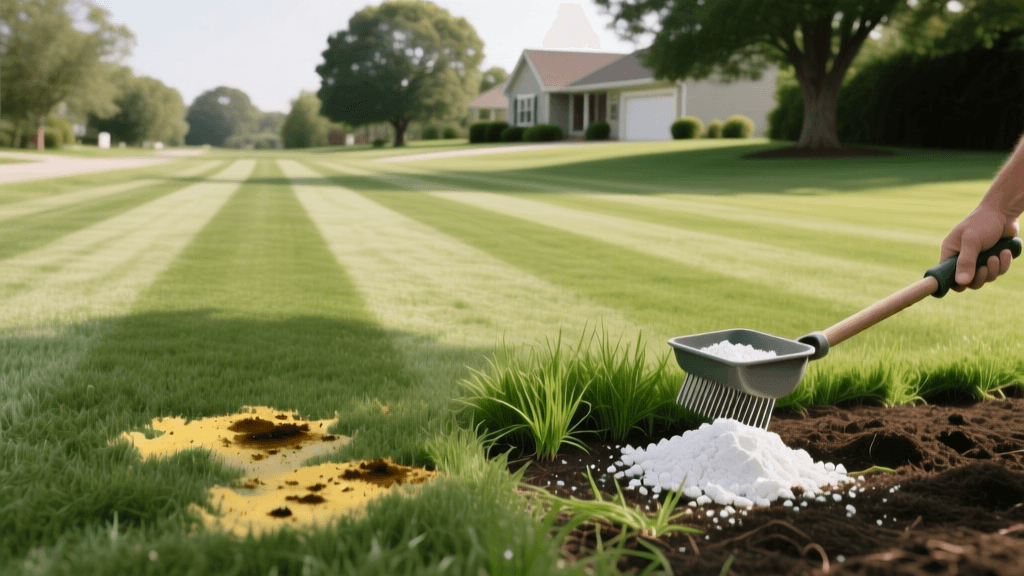
The standard Ironite application rate for lawns is 1 pound per 100 square feet. However, when applying near the drip line of a newly planted tree, reduce the rate by 50% to prevent root burn and excessive acidification in the critical root zone.
Step 3: Maintain a Trunk Buffer Zone
Never apply Ironite directly against the trunk flare of a tree. Maintain a 12-to-18-inch buffer zone around the base of the tree where no granular supplements are applied. This prevents the sulfur and salts from accumulating against the sensitive bark and shallow surface roots.
Step 4: Water Deeply and Immediately
Ironite requires moisture to activate and begin breaking down into the soil profile. Water the lawn and the tree's root zone with at least 0.5 inches of water immediately after application. This washes the granules off the grass blades (preventing turf burn) and drives the iron and sulfur into the upper soil layers where grass roots dominate, minimizing the immediate shock to deeper tree roots.
Alternative Iron Supplements for Sensitive Tree Plantings
If your landscape design includes highly alkaline-preferring trees, such as the Eastern Redbud, Lilac, or certain Ash species, you must separate your lawn care strategy from your tree care strategy. Instead of traditional Ironite, consider using Fe-EDDHA chelated iron for your lawn. Fe-EDDHA is a specialized chelate that remains stable and available to plants even in soils with a pH as high as 8.0. While it is more expensive than standard Ironite, it provides the deep green color desired for the lawn without introducing the soil-acidifying sulfur that would harm your alkaline-loving trees. Additionally, incorporating organic compost and biochar around the base of your planted trees can buffer pH fluctuations, creating a stable micro-environment for the tree roots while the surrounding lawn is treated with traditional supplements.
Conclusion
Achieving a vibrant, deep green lawn in 2026 while nurturing a diverse canopy of shade trees requires an understanding of soil chemistry and root dynamics. Ironite remains a powerful tool for correcting iron deficiencies and enhancing turf color, but its sulfur content demands careful consideration when selecting and planting trees. By choosing acid-tolerant species like Red Maples and Pin Oaks, maintaining safe buffer zones, and monitoring soil pH, you can create a harmonious landscape where both your grass and your trees thrive. Always prioritize soil testing and follow the latest arboricultural guidelines to ensure your landscape investments flourish for decades to come.