Lawn Care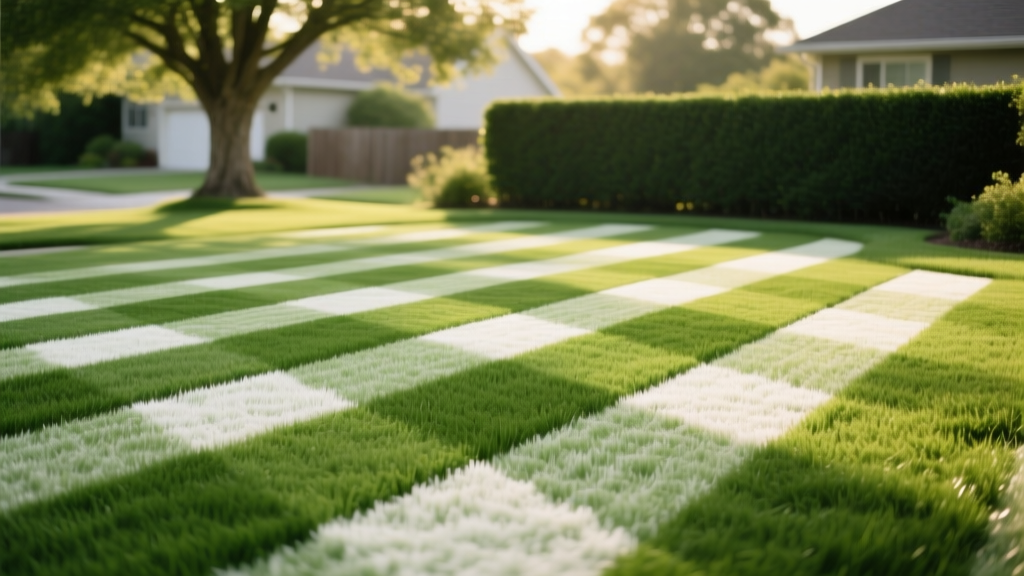
Ironite for Lawn Striping: Get Deep Green Patterns in 2026
Emily WatsonPublished
The Secret to High-Contrast Lawn Striping in 2026
When it comes to achieving golf-course-quality lawn stripes on a residential property, the secret isn't just in the mower you use or the striping kit you attach to the deck. The true foundation of a breathtaking, high-contrast lawn pattern lies in the depth of your grass color. In 2026, lawn care enthusiasts and professional turf managers alike are turning to a specific, time-tested solution to achieve that ultra-dark, emerald-green canvas: Ironite mineral supplements. While standard fertilizers push rapid vertical growth, Ironite specifically targets the chlorophyll production within the grass blade, resulting in a profoundly darker green hue without the excessive mowing requirements that come with heavy nitrogen applications.
For homeowners dedicated to the aesthetic art of lawn striping, checkerboards, and diamond patterns, understanding how to leverage iron supplements is a game-changer. This comprehensive guide will explore the science behind lawn striping, why Ironite is the ultimate color-enhancing tool, and how to apply it safely and effectively for the 2026 growing season.
The Physics of Lawn Stripes: Why Color Contrast Matters
To understand why Ironite is so critical for aesthetic lawn patterns, we first need to understand the physics of how lawn stripes are formed. Contrary to popular belief, stripes are not created by cutting the grass at different heights. Instead, they are an optical illusion created by the way light reflects off the grass blades.
- The Light Stripe: When grass blades are bent away from you, the sun reflects off the waxy, glossy surface of the leaf cuticle. This reflection appears as a bright, light-green or almost white band.
- The Dark Stripe: When grass blades are bent toward you, you are looking down into the canopy of the turf. Light is absorbed by the chlorophyll within the leaf structure rather than reflected, creating a dark, shadowy band.
The visual impact of your striping pattern relies entirely on the contrast between the light reflection and the dark absorption. If your grass is pale, yellowish, or a light lime green, the dark stripes will lack depth, and the overall pattern will look washed out. By using a supplement that maximizes chlorophyll density, you deepen the 'dark' stripes, creating a stunning, high-definition contrast that makes the light stripes pop brilliantly.
What is Ironite and How Does It Enhance Turf Color?
Ironite, most notably the Pennington Ironite Mineral Supplement 1-0-1, is a specialized lawn supplement that provides a concentrated dose of iron, along with secondary macronutrients and micronutrients like manganese, calcium, and sulfur. In 2026, the standard granular formulation remains a staple for turf managers because it delivers up to 20% iron, primarily in the form of ferrous sulfate.
Iron is a crucial micronutrient for turfgrass. It is a fundamental building block for chlorophyll synthesis—the pigment responsible for the green color in plants. When your soil lacks bioavailable iron, grass suffers from chlorosis, presenting as a pale, yellow-green color. By introducing Ironite, you supply the grass with the exact elemental catalyst it needs to produce dense, dark green chlorophyll.
Ironite vs. High-Nitrogen Fertilizers for Striping
Many homeowners mistakenly believe that applying a heavy dose of nitrogen-rich fertilizer is the best way to green up their lawn for striping. While nitrogen does promote greening, it comes with significant drawbacks for lawn aesthetics. Below is a comparison of using Ironite versus high-nitrogen fertilizers specifically for the purpose of enhancing lawn patterns.
| Feature | Ironite (Iron Supplement) | High-Nitrogen Fertilizer (e.g., Urea) |
|---|---|---|
| Primary Color Driver | Chlorophyll synthesis via iron absorption | Cellular expansion and new leaf tissue |
| Vertical Growth Rate | Minimal to none | Rapid, aggressive vertical growth |
| Mowing Frequency Required | Standard (1-2 times per week) | High (May require mowing every 2-3 days) |
| Stripe Definition | Excellent (Deep color without floppy blades) | |
| Risk of Fungal Disease | Low | High (Excess nitrogen promotes fungus) |
As the table illustrates, Ironite is vastly superior for lawn striping. High nitrogen causes the grass blades to grow too tall and too fast, making them 'floppy.' Floppy grass blades do not hold a stripe well; they tend to spring back up or lay flat in irregular directions, ruining the crisp lines of your pattern. Ironite provides the deep, dark color necessary for high contrast while maintaining the rigid, upright structural integrity of the grass blade required to hold a sharp stripe.
Step-by-Step Guide: Applying Ironite for Maximum Stripe Contrast
To achieve the best aesthetic results in 2026, follow this precise application routine. A standard 10-pound bag of granular Ironite typically covers about 3,200 square feet and retails for approximately $16 to $19, making it a highly cost-effective aesthetic upgrade for your lawn.
Step 1: Time Your Application Correctly
Iron is best absorbed when the grass is actively growing but not under extreme heat stress. For cool-season grasses (Kentucky Bluegrass, Tall Fescue, Perennial Ryegrass), apply Ironite in early spring or early fall. For warm-season grasses (Bermuda, Zoysia, St. Augustine), apply it in late spring or mid-summer. Avoid applying during drought conditions or when temperatures exceed 90°F, as this can increase the risk of turf burn.
Step 2: Prepare the Lawn
Mow your lawn to your preferred striping height (usually 3 to 4 inches for cool-season grasses) and ensure the lawn is completely dry. Granular Ironite must stick to the soil, not the grass blades, to prevent localized burning and foliar staining.
Step 3: Calibrate and Spread
Set your broadcast spreader to the manufacturer's recommended setting for Ironite (typically a setting of 3 or 4 on a Scotts EdgeGuard spreader). Apply at a rate of 3 pounds per 1,000 square feet. Walk at a steady pace, overlapping your wheel tracks slightly to ensure even coverage. Uneven application will result in blotchy color, which will severely distort the visual geometry of your striping patterns.
Step 4: Water and Protect Hardscapes
Immediately after application, sweep or use a leaf blower to clear any Ironite granules off your driveway, sidewalks, and patios. This is a critical step. Ferrous sulfate will oxidize and leave permanent, rust-colored stains on concrete and stone when wet. Once the hardscapes are clear, water the lawn lightly with about 1/4 inch of irrigation to wash the granules down to the soil surface and activate the nutrient release.
Best Mowing Techniques to Pair with Ironite-Treated Lawns
Once your Ironite has been watered in and the grass has developed that signature deep emerald hue (usually within 7 to 14 days), it is time to mow and stripe. According to turf management principles outlined by the University of Nebraska-Lincoln Turfgrass Science program, proper mower deck management is essential for maintaining turf health and aesthetic quality.
- Use a Dedicated Striping Kit: In 2026, polyurethane roller kits and weighted flap stripers are widely available for almost all major mower brands. These attachments bend the grass uniformly at the base, creating a much sharper crease than the rubber flaps found on standard mowers.
- Keep Blades Razor Sharp: A dull mower blade shreds the tip of the grass, leaving a white, frayed edge. This white tip will reflect sunlight and completely wash out the dark stripes you worked so hard to cultivate with Ironite. Sharpen your blades every 20-25 hours of mowing time.
- Alternate Your Patterns: To prevent the grass from permanently 'graining' or laying flat in one direction, alternate your mowing patterns every time you cut. Switch from horizontal stripes to vertical stripes, or transition to a checkerboard pattern. This keeps the turf upright and ensures the light-reflective properties of the stripes remain vivid.
Potential Drawbacks and Environmental Precautions
While Ironite is an incredible tool for lawn aesthetics, it must be used responsibly. The Environmental Protection Agency's lawn care guidelines emphasize the importance of applying supplements only when necessary and preventing runoff into local waterways. Over-applying iron will not make your grass 'greener'; it can lead to toxicity, causing the grass to turn an unnatural black-green and eventually suffer from root damage.
Furthermore, if your soil pH is highly alkaline (above 7.2), the iron in standard Ironite formulations may become 'locked up' in the soil and unavailable to the grass roots. In these scenarios, the University of California Statewide IPM Program recommends using a chelated iron product, which is chemically structured to remain bioavailable even in high-pH soils, though it comes at a higher price point.
Conclusion
Achieving the ultimate lawn aesthetic in 2026 is about working smarter, not just harder. By incorporating Ironite into your lawn care regimen, you bypass the excessive growth and disease risks associated with heavy nitrogen fertilizers, focusing instead on deep, rich chlorophyll production. This profound darkening of the grass canopy provides the perfect, high-contrast canvas needed to make your lawn stripes, checkerboards, and geometric patterns truly stand out. With careful application, hardscape protection, and precise mowing techniques, your lawn will not just look maintained—it will look like a masterpiece.