Gardening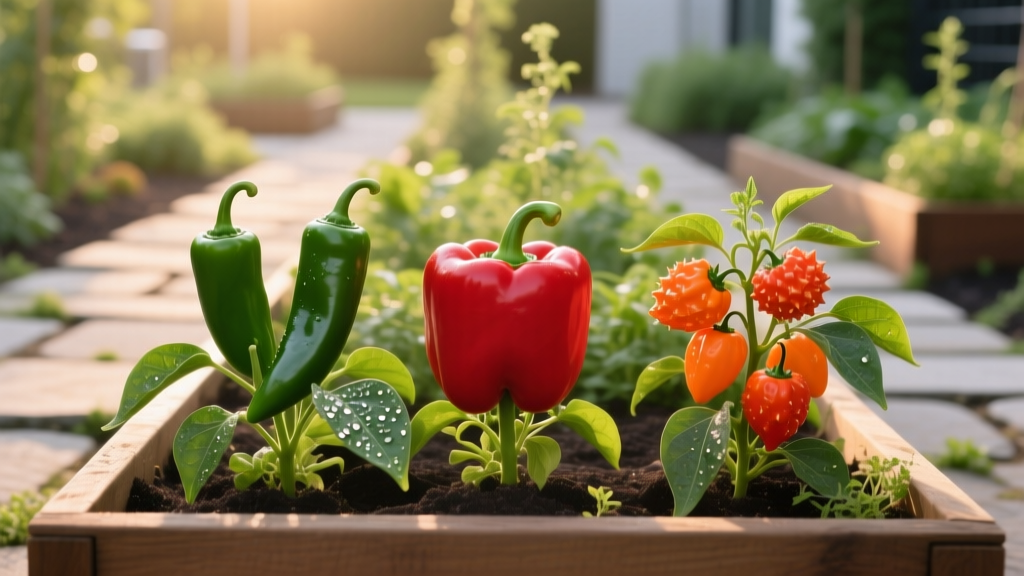
2026 Foodscaping Guide: Jalapeno, Bell, And Habanero Peppers
Anna KowalskiPublished
Edible landscaping, commonly known as foodscaping, has completely transformed how we view our outdoor spaces in 2026. Gone are the days when vegetable gardens were strictly utilitarian plots hidden behind privacy fences. Today, homeowners and landscape architects seamlessly blend ornamental aesthetics with agricultural productivity. Among the most versatile and visually striking plants for this purpose are peppers. Specifically, cultivating jalapeno, bell, and habanero peppers offers a masterclass in color, texture, and culinary reward. Whether you are designing a front yard edible border or integrating heat into your patio containers, understanding the unique growth habits of these three pepper varieties is essential for a thriving 2026 garden.
The Intersection of Ornamental Beauty and Edible Yields
Peppers (Capsicum annuum and Capsicum chinense) are inherently beautiful plants. They boast glossy, deep green foliage that serves as a perfect backdrop for their vibrant, jewel-toned fruits. In modern foodscaping, peppers act as structural elements. They can be used as low hedges, focal points in raised beds, or spill-over plants in large containers. By selecting specific varieties like the jalapeno, bell, and habanero, you can create a layered edible landscape that provides continuous harvests from mid-summer through the first frost of late autumn.
Jalapeno Peppers: The Reliable Border Workhorse
Jalapenos are the quintessential starter pepper for both culinary enthusiasts and foodscapers. Reaching a manageable height of 24 to 36 inches, they are perfectly suited for the middle tier of an edible landscape border. In 2026, compact hybrid varieties like 'Early Hot' and traditional open-pollinated strains remain highly popular due to their drought tolerance and prolific fruiting. A single healthy jalapeno plant can yield 30 to 50 peppers over a season. Their slender, dark green fruits eventually mature to a brilliant crimson red if left on the vine, providing a striking visual contrast against the foliage. According to the Old Farmer's Almanac, jalapenos thrive in full sun and require consistent moisture to prevent blossom end rot, making them ideal candidates for drip-irrigated raised beds.
Bell Peppers: The Colorful Showstoppers
If visual impact is your primary foodscaping goal, bell peppers are unmatched. These plants are slightly larger, often requiring staking or decorative obelisks to support their heavy, blocky fruits. The true magic of bell peppers in an edible landscape lies in their color-changing ripening process. A single plant might display green, yellow, orange, and deep purple fruits simultaneously. Varieties like 'California Wonder' and 'Chocolate Beauty' add sophisticated, unexpected hues to garden beds. Because bell peppers lack capsaicin, they are also the safest choice for edible landscapes in homes with young children or curious pets. The Old Farmer's Almanac recommends spacing bell peppers 18 to 24 inches apart to ensure adequate airflow, which is crucial for preventing fungal diseases in humid summer climates.
Habanero Peppers: The Fiery Focal Points
For those who crave extreme heat and unique aesthetics, the habanero (Capsicum chinense) is a spectacular addition. Habanero plants feature broad, light green leaves and produce small, lantern-shaped fruits that ripen from pale green to a fiery, glowing orange or red. Because of their intense heat (ranging from 100,000 to 350,000 Scoville Heat Units), they are best positioned in the back of a border or in elevated containers where they can be admired without accidental contact. Habaneros have a longer growing season and require more heat units to mature, making them a staple in southern climate zones or as greenhouse-patio transition plants in northern regions.
2026 Pepper Cultivation Data & Comparison Chart
| Variety | Scoville Heat Units (SHU) | Days to Maturity | Plant Spacing | Best Foodscaping Use |
|---|---|---|---|---|
| Jalapeno | 2,500 - 8,000 | 70 - 85 Days | 14 - 18 Inches | Edible borders, walkway lining |
| Bell Pepper | 0 (Sweet) | 60 - 90 Days | 18 - 24 Inches | Colorful focal points, raised beds |
| Habanero | 100,000 - 350,000 | 90 - 110 Days | 18 - 24 Inches | Patio containers, back-row accents |
Designing Your Edible Landscape with Peppers
When integrating these peppers into your 2026 landscape design, consider the principles of companion planting and spatial hierarchy to maximize both beauty and biological synergy.
Companion Planting Strategies
Peppers benefit immensely from the right neighbors. Planting French marigolds (Tagetes patula) around the base of your pepper plants not only adds a splash of complementary color but also deters root-knot nematodes. Sweet basil is another excellent companion; it is believed to improve the flavor of peppers while repelling aphids and thrips. Alliums, such as ornamental chives or garlic, can be interplanted to mask the scent of peppers from destructive pests.
Front Yard Integration & Curb Appeal
In front yard foodscaping, symmetry and neatness are key. Use uniform rows of jalapeno plants to line a walkway, replacing traditional boxwood hedges with this edible alternative. Bell peppers can be planted in clusters of three within circular raised beds, surrounded by a low-growing, edible groundcover like creeping thyme. For habaneros, utilize large, glazed ceramic pots flanking your front door or patio entrance to create a symmetrical, architectural statement that also yields a massive harvest.
Soil, Water, and Nutrient Requirements for 2026
Successful pepper cultivation starts beneath the surface. Peppers demand well-draining, loamy soil with a slightly acidic to neutral pH (6.2 to 7.0). In 2026, the trend leans heavily toward regenerative soil practices. Amend your native soil or raised bed mix with high-quality, OMRI-listed compost. For container foodscaping, premium potting mixes like FoxFarm Happy Frog or the 2026 updated Espoma Organic blends provide the necessary mycorrhizal fungi for robust root development.
Fertilization should be phased. During the vegetative growth stage, a balanced organic fertilizer supports leafy growth. However, once the first flower buds appear, switch to a low-nitrogen, high-phosphorus, and high-potassium fertilizer (such as a 3-5-5 NPK ratio) to encourage fruit set rather than excessive foliage. The Penn State Extension emphasizes that over-fertilizing peppers with nitrogen will result in lush, beautiful plants that produce very little fruit. Watering should be deep and infrequent, aiming for 1 to 1.5 inches of water per week, preferably delivered via soaker hoses to keep foliage dry and prevent bacterial leaf spot.
Organic Pest Management in the Edible Landscape
Maintaining an aesthetically pleasing foodscaping design means keeping pest damage to a minimum without resorting to harsh, landscape-disrupting chemicals. Aphids are the most common nuisance, often clustering on the tender new growth of pepper plants. A strong blast of water or applications of cold-pressed neem oil in the early evening can manage aphid populations effectively. For larger threats like the tomato hornworm (which also attacks peppers), hand-picking remains the most effective organic method. Encouraging beneficial insects by planting nectar-rich flowers like yarrow and dill nearby will attract parasitic wasps and ladybugs, creating a balanced, self-regulating ecosystem in your edible garden.
Conclusion
Foodscaping with jalapeno, bell, and habanero peppers proves that you do not have to sacrifice curb appeal for a bountiful harvest. By understanding the distinct visual and cultural requirements of each variety, you can design a stunning, functional, and delicious edible landscape that will be the envy of your neighborhood throughout the 2026 growing season. Whether you are tucking sweet bells into a flower bed or framing your porch with fiery habaneros, the intersection of ornamental gardening and food production has never been more rewarding.
