Gardening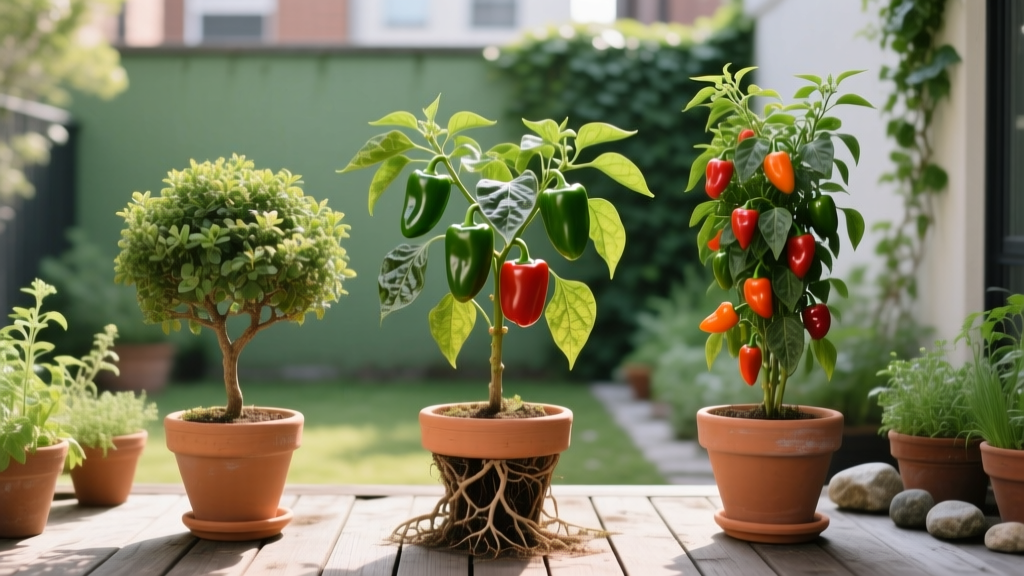
2026 Pepper Tree Guide: Jalapeño vs Bell Pepper vs Habanero
Anna KowalskiPublished
The 2026 Edible Landscape: Rethinking Tree Selection with Woody Peppers
Welcome to the 2026 edible landscape revolution. When most gardeners think of 'tree selection and planting guides,' they immediately picture traditional orchard specimens like dwarf apples, cherries, or pears. However, a massive shift in urban foodscaping and patio gardening has brought a new type of 'tree' to the forefront: the overwintered, woody-stemmed pepper plant. By treating certain Capsicum varieties as perennial patio trees rather than disposable annuals, home growers are achieving unprecedented yields, deeper root systems, and stunning structural aesthetics.
In their native tropical habitats, peppers are not fragile annuals; they are woody perennials that can grow into substantial shrubs or small trees. When we apply rigorous arboricultural principles—such as central leader pruning, root flare planting, and structural canopy management—to pepper cultivation, the results are extraordinary. In this comprehensive guide, we will compare the growth habits, structural needs, and long-term viability of three powerhouse varieties: the Jalapeño, the Bell Pepper, and the Habanero, helping you select the perfect 'pepper tree' for your 2026 garden plan.
The Botanical Reality: Peppers as Woody Perennials
According to the New Mexico State University Chile Pepper Institute, Capsicum species possess the genetic capability to develop thick, lignified trunks and live for several years when protected from frost. The transition from a bushy annual to a structural 'standard' tree (a single bare trunk supporting a rounded canopy) requires intentional intervention. This process, known as training to a standard, is highly popular in 2026 for small-space gardeners who want the vertical impact of a tree without the massive root footprint of a traditional fruit tree.
Growing peppers as trees offers distinct advantages. A woody trunk stores more carbohydrates, leading to earlier and heavier fruit sets in subsequent years. Furthermore, an elevated canopy improves air circulation, drastically reducing the incidence of soil-borne fungal diseases that plague low-lying pepper bushes. Let us break down how our three featured cultivars respond to this tree-training methodology.
Cultivar Selection: Jalapeño vs. Bell vs. Habanero
Jalapeño (Capsicum annuum) - The Fast-Growing Canopy
The Jalapeño is the vigorous workhorse of the pepper world. When trained as a tree, Capsicum annuum 'Jalapeño' exhibits rapid vertical growth, often requiring a sturdy bamboo or fiberglass stake in its first year to support the developing trunk. The wood of the Jalapeño is relatively brittle compared to its hotter cousins, meaning that heavy fruit loads can cause branch splitting if the canopy is not properly thinned. However, its aggressive growth rate means you can establish a full, shade-providing patio tree in a single 2026 growing season. It thrives in large, half-barrel containers filled with a well-draining loam mix.
Bell Pepper (Capsicum annuum) - The Heavy-Fruited Standard
Bell peppers present a unique structural challenge for the edible arborist. The fruits are exceptionally heavy, and the natural branching habit of the plant tends toward a wide, sprawling bush rather than a neat central leader. To grow a Bell Pepper as a tree, you must aggressively prune lateral suckers and rely on a robust trellising system or a heavy-duty tomato cage modified to support the main trunk. As noted in the Penn State Extension planting guides, bell peppers require consistent calcium and steady moisture to prevent blossom end rot, a task made easier by the deep, stable root system of a mature, woody pepper tree. Expect a wider, more umbrella-like canopy that provides excellent understory shade for companion plants like creeping thyme or low-growing marigolds.
Habanero (Capsicum chinense) - The Dense, Ornamental Dwarf Tree
If you are looking for the ultimate ornamental patio tree, the Habanero (Capsicum chinense) is unmatched. Unlike the faster-growing annuum species, Habaneros naturally develop incredibly hard, dense, and deeply grooved woody bark. They grow slower, but their structural integrity is superior, rarely requiring heavy staking once the trunk lignifies. The canopy is naturally compact, dense, and highly ornamental, often adorned with hundreds of vibrant orange or red lantern-shaped fruits that contrast beautifully with the dark green foliage. For 2026 balcony gardens where space is at a premium, a 5-year-old Habanero tree in a 15-gallon frost-resistant ceramic pot is a show-stopping centerpiece.
Comparative Data Chart: Pepper Tree Characteristics
| Variety | Species | Mature Canopy Spread | Trunk Lignification | Structural Support Needed | Best Container Size (2026) |
|---|---|---|---|---|---|
| Jalapeño | C. annuum | 24 - 36 inches | Moderate | Heavy (First 2 years) | 20 Gallon |
| Bell Pepper | C. annuum | 30 - 48 inches | Low to Moderate | Very Heavy (Fruit weight) | 25 Gallon |
| Habanero | C. chinense | 18 - 28 inches | High (Hardwood) | Minimal (Once established) | 15 Gallon |
Site Selection and 'Root Flare' Planting Techniques
The most common mistake gardeners make when transitioning vegetables to a perennial tree model is ignoring the root flare. The root flare is the area at the base of the trunk where the main roots spread outward. Just as with planting a maple or oak, burying the root flare of a pepper plant will lead to trunk rot and eventual collapse. When planting your pepper tree in its permanent 2026 container or raised bed, ensure the root flare sits exactly one inch above the soil line.
Soil preparation is critical for long-term woody growth. Standard potting soil breaks down and becomes anaerobic over multiple seasons. Instead, utilize a structural soil mix designed for patio trees: 40% high-quality topsoil, 30% coarse compost, 20% pine bark fines for aeration, and 10% horticultural biochar. The biochar acts as a permanent coral reef for beneficial mycorrhizal fungi, which will colonize the pepper tree's roots and help it mine nutrients for years to come. Top-dress the soil annually with an organic granular fertilizer, such as Espoma Organic Tomato-tone, which provides the specific calcium and magnesium ratios required for thick trunk development and fruit production.
Structural Pruning for a Central Leader
To achieve a true 'tree' form, you must establish a central leader. When the plant is young, identify the strongest, most vertical stem and remove all competing leaders. As the plant grows, strip away the lower lateral branches up to your desired trunk height (typically 12 to 18 inches for patio containers). This elevates the canopy and forces the plant to direct its energy into thickening the main trunk.
Arborist Tip for 2026: When pruning woody pepper branches, always use sterilized, sharp bypass pruners. Make your cuts at a 45-degree angle just above an outward-facing node. This encourages the canopy to grow outward rather than inward, creating an open-vase structure that maximizes sunlight penetration and airflow, reducing the risk of powdery mildew.
Once the desired height is reached, 'pinch' the very tip of the central leader. This breaks apical dominance and forces the tree to push out lateral branches, forming the rounded, umbrella-like canopy characteristic of a well-trained standard tree.
Overwintering and Dormancy Care
Unless you live in USDA Hardiness Zone 9 or higher, your pepper tree must be overwintered indoors to survive. As autumn approaches and nighttime temperatures consistently drop below 50°F (10°C), the tree will naturally begin to enter dormancy. This is the time to perform a hard structural prune, reducing the canopy by up to 50% to minimize water loss and make the tree easier to move.
Relocate the container to a cool, bright location such as a sunroom, heated garage with south-facing windows, or a greenhouse. The ideal overwintering temperature is between 55°F and 65°F. Water sparingly—only when the top two inches of soil are completely dry. The goal is to keep the woody trunk alive and the root system hydrated without pushing new, weak, etiolated growth. In early spring 2026, as daylight hours increase, gradually increase watering and move the tree back outdoors after the threat of frost has passed, acclimating it to full sun over a two-week period.
Pest Management for Woody Bark
As your pepper plant transitions from a soft-stemmed annual to a multi-year tree with hardened bark, the pest profile changes. While aphids and hornworms target soft new growth, older woody trunks can become susceptible to scale insects and overwintering mites. Inspect the deeply grooved bark of your Habanero or Jalapeño trunk during the dormant winter months. If you spot scale, apply a dormant horticultural oil spray. This organic treatment suffocates overwintering pests without harming the tree, ensuring your pepper tree emerges in the spring with pristine bark and a vigorous vascular system ready to support a massive 2026 harvest.
By viewing pepper cultivation through the lens of tree selection and long-term landscape planning, you unlock a highly rewarding, sustainable, and visually striking method of food production. Whether you choose the sprawling canopy of the Bell, the rapid growth of the Jalapeño, or the dense hardwood beauty of the Habanero, your 2026 patio is ready for an orchard of a different kind.
