Pest Control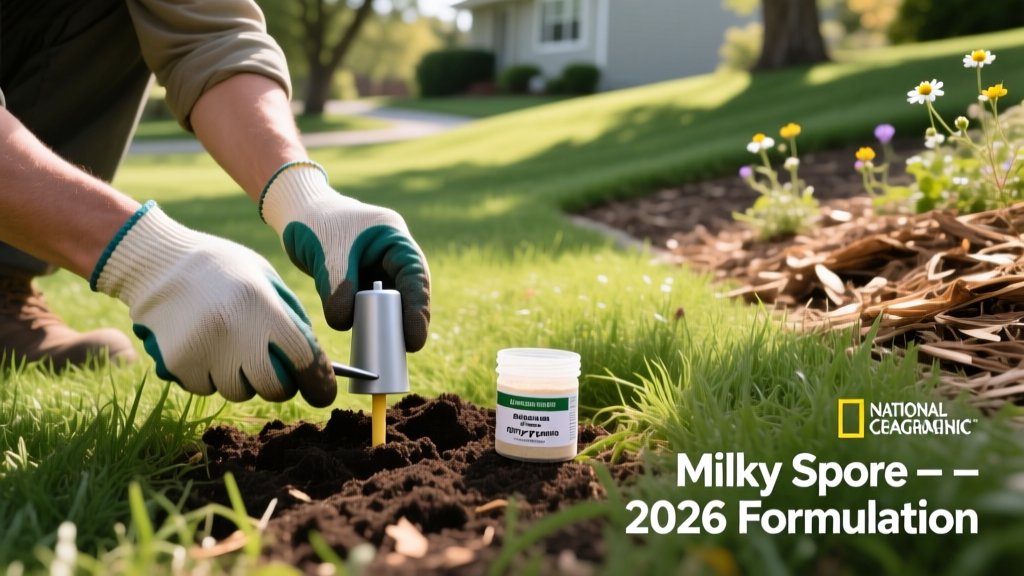
2026 Japanese Beetle Trap Placement & Milky Spore Guide
Sarah ChenPublished
The Wildlife-Conscious Approach to Japanese Beetle Management
As we navigate the 2026 growing season, the Japanese beetle (Popillia japonica) remains one of the most destructive pests in North American lawns and gardens. These metallic green and copper invaders decimate foliage in their adult stage and destroy turfgrass root systems as grubs. Historically, homeowners relied on broad-spectrum chemical pesticides to combat them. However, modern Integrated Pest Management (IPM) and wildlife-conscious yard care demand a more targeted approach. Broad-spectrum chemicals not only kill Japanese beetles but also devastate beneficial pollinators, earthworms, and the local bird populations that rely on a healthy insect ecosystem for food.
In 2026, the gold standard for wildlife-friendly Japanese beetle control involves a two-pronged strategy: strategic pheromone trap placement for adults and the application of milky spore disease for grub control. By understanding the lifecycle of this pest and how our interventions affect the broader yard ecology, we can protect our prized roses and lush lawns without poisoning the local food web. This guide details exactly how to deploy these methods effectively while keeping your yard a safe haven for local wildlife.
Strategic Japanese Beetle Trap Placement
Japanese beetle traps utilize a powerful combination of floral lures and female sex pheromones to attract adult beetles. While highly effective at capturing thousands of insects, their very effectiveness is what makes them dangerous if placed incorrectly. The most common mistake homeowners make is hanging a trap directly in the center of their garden or next to their favorite rose bushes. This creates a magnet effect, drawing beetles from neighboring properties directly into your most vulnerable plants.
The 30-Foot Rule and Wind Dynamics
To use traps as a defensive perimeter rather than a destructive magnet, you must adhere to the 30-foot rule. According to entomologists and updated 2026 IPM guidelines, traps should be placed at least 30 to 50 feet away from any prized plantings, gardens, or fruit trees. Furthermore, wind direction is critical. Pheromone plumes travel downwind. You must place your traps downwind from your garden so that the scent blows away from your plants and out toward the trap. If your garden is to the north, place the trap to the south, ensuring the prevailing summer breezes carry the lure away from your foliage.
2026 Trap Models and Wildlife Considerations
The RESCUE! Japanese Beetle Trap remains a top-rated choice in 2026 due to its durable, weather-resistant nylon bag and optimized lure release rate. When managing these traps from a wildlife perspective, maintenance is key. Traps must be emptied or replaced every few days during peak emergence (usually late June through July). A trap overflowing with decaying beetles emits a putrid odor that can attract unwanted scavengers like raccoons, skunks, and opossums. These nocturnal foragers will tear up your lawn and garden beds trying to reach the rotting insect mass. By maintaining your traps and disposing of the catch in sealed compost bins or trash receptacles, you keep the local mammal populations from turning your yard into a nocturnal feeding ground.
Milky Spore: The Ultimate Biological Grub Control
While traps handle the adult flyers, the real damage to your lawn occurs underground. Japanese beetle grubs feed on grassroots from late summer through autumn, and again in the spring. Milky spore (Paenibacillus popilliae) is a naturally occurring, obligate parasitic bacterium that specifically targets and kills Japanese beetle grubs. It is entirely harmless to other organisms, making it the ultimate biological control for wildlife-friendly yards.
Application Timing and Techniques for 2026
Milky spore requires specific soil conditions to establish. It must be applied when the soil is warm (above 65 degrees Fahrenheit) and the grubs are actively feeding near the surface. In most temperate zones, this means late summer to early fall is the ideal application window, though spring applications are also effective if the soil has sufficiently warmed. In 2026, the most efficient application method for homeowners is using a foot-applicator tube, which drops a concentrated teaspoon of milky spore powder into the soil every 12 inches in a grid pattern across the lawn. This ensures the spores reach the root zone where grubs feed.
Current 2026 pricing for high-quality milky spore powder hovers around $65 for a 10-ounce box, which treats approximately 2,500 square feet. While the upfront cost is higher than synthetic chemical grub killers, milky spore is a long-term investment. Once the spores establish in the soil, they provide continuous control for 10 to 15 years without the need for annual reapplication.
Long-Term Soil Inoculation and Wildlife Safety
The beauty of milky spore lies in its biological specificity. When a Japanese beetle grub ingests the spores while feeding on grassroots, the bacteria multiply inside the insect, eventually killing it and turning its internal fluids a milky white. As the grub decomposes, billions of new spores are released back into the soil, increasing the inoculation level. Research highlighted by Penn State Extension confirms that this bacterium does not harm earthworms, beneficial nematodes, pets, or humans. It is completely safe for ground-foraging birds, ensuring that robins, starlings, and crows can continue to safely eat grubs without ingesting toxic chemical residues.
Synergizing Traps and Milky Spore for Total Lifecycle Control
Combining adult trapping with biological grub control creates a comprehensive IPM strategy that breaks the Japanese beetle lifecycle at both ends. Below is a comparison of how these methods stack up against traditional chemical interventions in a wildlife-managed yard.
| Control Method | Target Stage | Wildlife & Pollinator Impact | 2026 Cost Estimate |
|---|---|---|---|
| Pheromone Traps (e.g., RESCUE!) | Adult Beetles | Zero chemical impact; requires maintenance to avoid scavenger attraction. | $15 - $25 per trap + lures |
| Milky Spore (Paenibacillus popilliae) | Soil Grubs | 100% safe for birds, mammals, and beneficial soil organisms. | $65 per 2,500 sq ft (lasts 10+ years) |
| Broad-Spectrum Grub Pesticides | Soil Grubs | High toxicity to earthworms; secondary poisoning risk for insectivorous birds. | $30 - $50 per season (annual cost) |
| Systemic Neonicotinoids | Adults & Grubs | Devastating to native bees and pollinators; disrupts local food webs. | $20 - $40 per season |
Protecting Local Wildlife and Beneficial Insects
A truly integrated approach to yard animal management involves encouraging natural predators. By avoiding systemic neonicotinoids and broad-spectrum pyrethroids, you preserve the populations of tachinid flies and spring wasps (Tiphia vernalis), which are natural parasitoids of the Japanese beetle. According to the EPA guidelines on biological pest control agents, leveraging these natural enemies alongside targeted biologicals like milky spore drastically reduces the need for disruptive chemical interventions.
Furthermore, maintaining a diverse yard with native shrubs and birdbaths encourages insectivorous birds to nest nearby. A single pair of purple martins or a flock of starlings can consume thousands of adult beetles during the summer months. By using traps to pull beetles away from sensitive ornamental plants and milky spore to suppress the grub population, you provide a steady, safe food source for local fauna without introducing neurotoxins into the environment.
Frequently Asked Questions
Will milky spore harm my pets or local birds?
No. Milky spore is a highly specific bacterium that only affects Japanese beetle grubs. It is completely non-toxic to dogs, cats, backyard chickens, and wild birds. In fact, by eliminating toxic chemical grub killers from your lawn care routine, you make your yard significantly safer for pets and ground-foraging wildlife.
Do Japanese beetle traps actually attract more beetles to my yard?
Yes, traps are designed to attract beetles from a wide radius. This is why placement is critical. If you hang a trap on your front porch, you will draw every beetle in the neighborhood to your porch plants. By placing the trap 30 to 50 feet away from your garden, downwind, you intercept the beetles before they reach your prized foliage, effectively using the trap as a sacrificial decoy.
How does this strategy support local bird populations?
Insectivorous birds rely on a steady supply of insects to feed their young. Chemical pesticides decimate this food source and can cause secondary poisoning. By using milky spore and mechanical traps, you maintain a healthy, localized population of beetles and grubs that serve as a vital protein source for birds, while keeping the overall pest numbers low enough to prevent severe damage to your landscape. As noted by Rutgers Extension, managing pests with biological controls preserves the ecological balance necessary for thriving local wildlife habitats.