Pest Control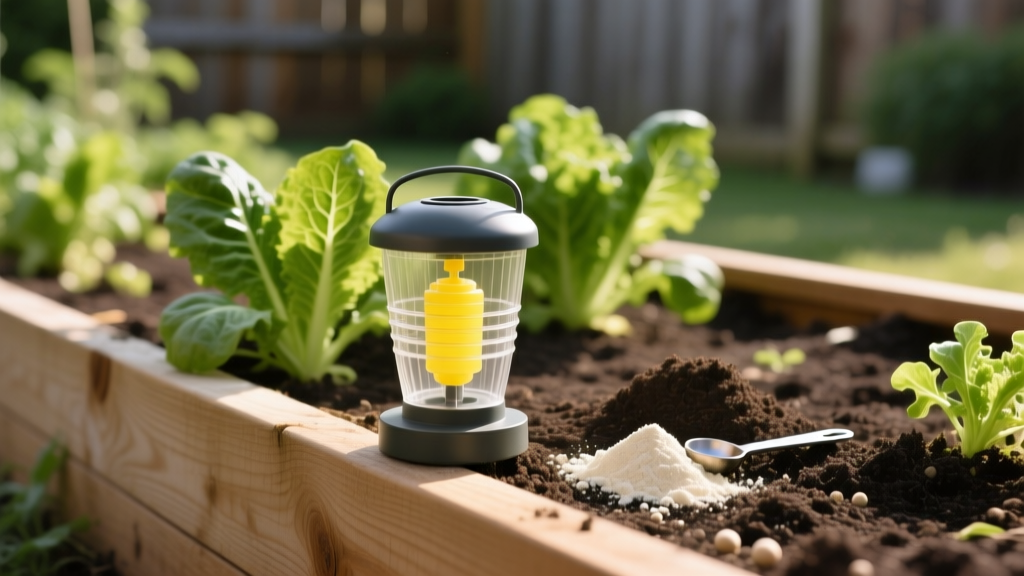
2026 Japanese Beetle Trap Placement And Milky Spore Guide
Anna KowalskiPublished
The Japanese Beetle Threat to Raised Bed Vegetables in 2026
Raised bed vegetable gardening offers unparalleled benefits: superior soil drainage, precise nutrient management, and reduced soil compaction. However, the lush, tender foliage of raised bed favorites like bush beans, Swiss chard, and raspberries acts as a beacon for one of the most destructive pests in North America: the Japanese beetle (Popillia japonica). As of the 2026 growing season, Japanese beetle populations continue to expand their range, making integrated pest management (IPM) an absolute necessity for home gardeners. These metallic green and copper-backed invaders skeletonize leaves, destroy blossoms, and can decimate a thriving raised bed garden in a matter of days. To protect your harvest without resorting to broad-spectrum synthetic pesticides that harm beneficial pollinators, gardeners must rely on strategic, science-backed methods. Two of the most discussed tactics in the IPM community are the use of pheromone traps and the application of milky spore biological control. When used correctly, these tools can drastically reduce pest pressure. When used incorrectly, they can actually accelerate the destruction of your vegetable garden.
The Pheromone Trap Dilemma: Why Placement is Everything
Walk into any garden center in early summer, and you will see rows of Japanese beetle traps featuring bright yellow vanes and chemical lures. These traps utilize a potent combination of a female sex pheromone and a sweet floral lure to attract adult beetles. The most common and catastrophic mistake raised bed gardeners make is placing these traps directly adjacent to their vegetable plots. According to entomologists at the University of Minnesota Extension, traps are highly effective at drawing beetles in from long distances, but they are not 100% efficient at catching every insect they attract.
If you hang a trap on the fence surrounding your 4x8 cedar raised beds, you are essentially ringing a dinner bell for every beetle within a half-mile radius. The beetles will fly toward the trap, but many will land on your prized bush beans or raspberry canes to feed and mate before ever reaching the collection bag. This 'magnet effect' means that poorly placed traps will actively increase the damage to your raised bed vegetables. Therefore, the efficacy of a trap relies entirely on its strategic placement far away from your susceptible crops.
Optimal Trap Placement Strategy for 2026
To use traps effectively as a perimeter defense rather than a garden magnet, follow these strict placement guidelines:
- Distance: Place traps at least 30 to 50 feet away from your raised beds and any other susceptible ornamental plants (like roses or linden trees).
- Wind Direction: Position the traps downwind from your garden. The prevailing summer breeze should carry the pheromone scent away from your vegetables and toward the trap.
- Sacrificial Zones: Place traps near plants that the beetles do not prefer, or in open, sunny areas away from your primary gardening zones. The goal is to intercept the beetles before they reach your property's core.
- Maintenance: Empty the collection bags daily during peak emergence (usually late June through July). A trap full of dead beetles loses its visual effectiveness and can emit odors that deter live beetles from entering.
Milky Spore: Biological Grub Control for Garden Perimeters
While traps target the adult flying stage, milky spore targets the root-destroying larval stage. Milky spore disease is caused by the naturally occurring bacterium Paenibacillus popilliae. When applied to the soil, the spores are ingested by Japanese beetle grubs. The bacteria multiply rapidly inside the grub, eventually killing it and releasing billions of new spores back into the soil to infect future generations.
It is important to understand that Japanese beetles rarely lay their eggs directly inside the heavily mulched, frequently disturbed, and densely planted soil of a raised vegetable bed. Instead, they prefer to lay their eggs in the undisturbed, sunny turfgrass of the surrounding lawn. The grubs hatch, feed on grass roots through the fall and spring, and emerge as adults in early summer to crawl or fly toward your raised beds. Therefore, milky spore should not be applied inside the raised beds themselves, but rather to the lawn, pathways, and grassy perimeters immediately surrounding your garden space.
How to Apply Milky Spore Around Raised Beds
As of 2026, the cost of a 40-ounce bag of milky spore powder (sufficient to treat a quarter-acre) averages around $65 to $80. Because it is a long-term biological investment that can remain active in the soil for 10 to 15 years, proper application is critical.
- Timing: Apply milky spore when the soil is warm and grubs are actively feeding near the surface. Late summer to early fall (August through September) is generally the optimal window, though early spring applications can also be effective.
- The Grid Method: Using a dedicated drop spreader or a simple measuring spoon, apply one teaspoon of milky spore powder every four feet in a grid pattern across the lawn surrounding your raised beds.
- Watering In: Immediately after application, water the treated turf lightly for about 15 minutes. This washes the spores off the grass blades and down into the soil zone where the grubs reside.
- Patience: Milky spore is not a quick fix. It typically takes two to three years for the spore count in the soil to build up to a level that provides significant, noticeable control of the grub population.
Seasonal IPM Timeline for Raised Bed Gardeners
Successfully defending your raised beds requires a year-round approach. Here is a seasonal checklist to integrate trap placement and biological controls:
- Early Spring (April - May): Inspect the soil around the perimeter of your raised beds for overwintering grubs. Apply beneficial nematodes (Heterorhabditis bacteriophora) to the surrounding turf if grub populations are visibly high.
- Early Summer (June): Deploy pheromone traps 50 feet away from the garden, downwind. Begin inspecting the undersides of bean and squash leaves for eggs and early adult feeding damage.
- Peak Summer (July - August): Hand-pick adults in the early morning when they are sluggish. Drop them into a jar of soapy water. Ensure traps are emptied daily. Install floating row covers over vulnerable raised beds if damage is severe.
- Early Fall (September): Apply milky spore powder to the lawn and grassy borders surrounding your vegetable garden to target the newly hatched fall grubs.
2026 Cost and Efficacy Comparison of Control Methods
Choosing the right combination of tools depends on your budget, the size of your property, and your immediate pest pressure. The table below compares the primary Japanese beetle control methods available to home gardeners in 2026.
| Control Method | Target Life Stage | Estimated Cost (2026) | Speed of Results | Best Use Case for Raised Beds |
|---|---|---|---|---|
| Pheromone Traps | Adults | $15 - $25 per trap | Immediate | Perimeter interception (placed 50ft away) |
| Milky Spore Powder | Grubs (Larvae) | $70 per 40oz bag | 1 to 3 Years | Long-term soil treatment for surrounding turf |
| Beneficial Nematodes | Grubs (Larvae) | $35 - $50 per application | 1 to 2 Weeks | Annual biological drench for garden borders |
| Floating Row Covers | Adults | $20 - $40 per bed | Immediate | Physical barrier over vulnerable crops (e.g., beans) |
| Hand-Picking (Soapy Water) | Adults | $5 (for soap/bucket) | Immediate | Daily maintenance for small-scale raised beds |
Complementary IPM Tactics for Raised Bed Defenses
Neither traps nor milky spore will provide 100% eradication of Japanese beetles. The University of Maryland Extension strongly recommends layering multiple IPM strategies to protect high-value crops. For raised bed vegetable gardeners, physical exclusion remains one of the most reliable methods during the peak summer emergence.
Using lightweight, spun-bonded agricultural fabrics (such as Agribon AG-15) draped over hoop supports can completely seal your raised beds from invading beetles. Because many summer vegetables like bush beans and leafy greens do not require insect pollination to produce a harvest, you can leave the row covers on for the entire four-to-six-week peak beetle season. For crops that do require pollination, such as squash or cucumbers, you must remove the covers during flowering and rely on daily hand-picking or targeted organic sprays.
When hand-picking, always carry a container filled with water and a few drops of liquid dish soap. The soap breaks the surface tension of the water, ensuring that the beetles sink and drown instantly rather than floating and escaping. Furthermore, avoid crushing beetles on the plants; crushed females release a distress and aggregation pheromone that can actually attract more beetles to your raised beds.
Pro-Tip for 2026: Keep the soil surface of your raised beds heavily mulched with straw or shredded leaves. Japanese beetles prefer to lay eggs in bare, dry, compacted soil. By maintaining a thick, moist layer of organic mulch in your beds, you naturally discourage egg-laying, forcing the beetles to seek out the surrounding lawn where your milky spore treatments are actively working to eliminate the next generation.
Conclusion
Defending your raised bed vegetable garden from Japanese beetles requires a shift in perspective: you must manage both the adult flyers and the subterranean grubs simultaneously. By banishing pheromone traps to the far, downwind perimeters of your property, you avoid the devastating magnet effect. By investing in milky spore for the surrounding turfgrass, you initiate a long-term biological war against the grub stage. Combined with physical row covers and diligent morning hand-picking, these integrated strategies will ensure your raised beds remain a productive, pest-resilient oasis for the 2026 harvest and beyond. For further reading on regional pest pressures and updated biological controls, consult resources provided by Penn State Extension and your local county agricultural office.