Lawn Care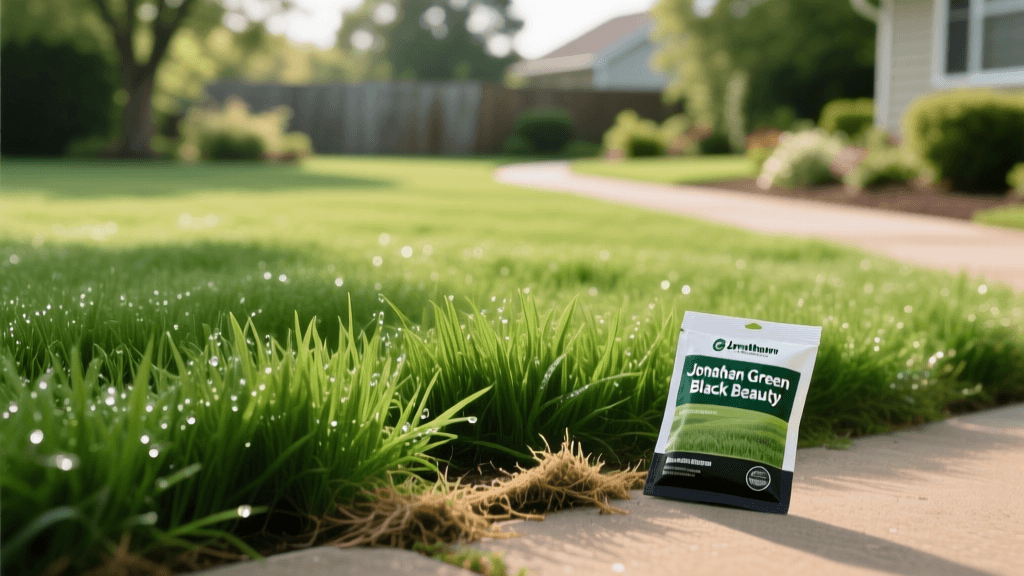
Overseeding Thin Spots With Jonathan Green Black Beauty In 2026
Introduction to Revitalizing Thin Spots in 2026
Maintaining a pristine, carpet-like lawn is a point of pride for many homeowners, but thin spots, bare patches, and high-traffic wear can quickly diminish your landscape's curb appeal. As we navigate the 2026 lawn care season, overseeding remains the most effective, eco-friendly method for restoring turf density without resorting to complete lawn renovation. Among the premium seed options available on the market, Jonathan Green Black Beauty Seed has consistently proven to be a top-tier choice for cool-season and transitional zone lawns. However, simply scattering seed over bare dirt is a recipe for disappointment. The true secret to successful overseeding lies in the precise application of the right fertilizer types and adhering to a strict nutrient schedule.
Why Jonathan Green Black Beauty Excels in Thin Spots
Before diving into fertilizer schedules, it is essential to understand the biological advantages of Black Beauty grass. This proprietary blend of turf-type tall fescues is bred to grow roots up to four feet deep, allowing it to access subterranean moisture and nutrients that shallow-rooted grasses miss. Furthermore, the blades possess an invisible waxy coating that preserves moisture and provides natural resistance to lawn diseases and insect damage. When you are targeting thin spots, these deep-rooting genetics mean that once the seedling establishes, it will anchor itself firmly into the soil, outcompeting weeds and surviving the harsh temperature fluctuations typical of late summer and early autumn.
The Science of Starter Fertilizers for Overseeding
When overseeding thin spots, your primary goal is rapid root development and seedling vigor. This requires a specific nutrient profile that differs vastly from standard lawn maintenance fertilizers. Standard fertilizers are typically high in Nitrogen (N) to push rapid, green blade growth. However, pushing top growth on a fragile new seedling can actually stunt its root development and make it susceptible to drought stress.
Instead, you must utilize a high-quality Starter Fertilizer. According to turfgrass research highlighted by the University of Minnesota Extension, starter fertilizers are formulated with elevated levels of Phosphorus (P). Phosphorus is the engine of root generation and energy transfer within young plants. In 2026, many municipalities maintain strict regulations on phosphorus application to prevent waterway eutrophication, a concern heavily monitored by the Environmental Protection Agency (EPA). Fortunately, agricultural exemptions universally allow the use of phosphorus-rich starter fertilizers specifically when establishing new grass or overseeding bare spots, making autumn the perfect legal and biological window to feed your soil.
Decoding the N-P-K Ratio for Black Beauty Seed
When shopping for your 2026 overseeding fertilizer, look for an N-P-K (Nitrogen-Phosphorus-Potassium) ratio where the middle number is at least half of the first number. Excellent examples include:
- 12-18-8: A classic starter ratio providing balanced energy for roots and initial blade growth.
- 10-18-10: Slightly higher potassium to help new seedlings withstand early frost and environmental stress.
- 18-24-6: A more aggressive starter formula for severely depleted soils.
Jonathan Green's own 'New Seeding Lawn Fertilizer' (typically an 18-24-6 or similar profile) is explicitly calibrated to work in tandem with Black Beauty seed, ensuring the soil microbiome is primed for germination.
Soil Preparation and Testing: The Crucial First Step
Do not skip soil testing in 2026. Thin spots often indicate localized soil compaction, pH imbalances, or nutrient lockout. Black Beauty seed thrives in soil with a pH between 6.0 and 6.8. If your soil is too acidic (below 6.0), the phosphorus in your starter fertilizer will bind to calcium and aluminum, becoming completely unavailable to the new seedlings. Apply a fast-acting calcium carbonate or magnesium limestone product two weeks before seeding if your test indicates high acidity. Additionally, use a liquid or granular soil aerator (like Jonathan Green Love Your Soil) to loosen compacted earth in the thin spots, allowing the starter fertilizer and water to penetrate the root zone.
Step-by-Step Overseeding and Fertilization Schedule
Timing is everything. For cool-season grasses like tall fescue, the optimal overseeding window in most northern and transitional zones is late August through mid-September. The soil is still warm from summer, promoting rapid germination, while the cooling air temperatures reduce heat stress on young blades. Below is the definitive schedule for pairing Black Beauty seed with a starter fertilizer regimen.
Detailed Week-by-Week Maintenance Table
| Timeline | Action Phase | Fertilizer / Soil Product | Application Rate & Notes |
|---|---|---|---|
| 2 Weeks Prior | Soil Prep & Testing | Lime (if needed) & Soil Aerator | Apply based on pH test. Rake thin spots to expose soil. |
| Day 1 (Seeding) | Sowing & Starter Feed | Black Beauty Seed + Starter Fertilizer (18-24-6) | Seed at 6-8 lbs per 1,000 sq ft. Apply fertilizer at 3.5 lbs per 1,000 sq ft. |
| Weeks 1-3 | Germination & Watering | No Fertilizer | Water lightly 2-3 times daily. Keep top 1 inch of soil moist. |
| Week 4 | First Mow & Root Check | No Fertilizer | Mow at 3 inches. Ensure roots are anchored before heavy traffic. |
| Week 6 | Follow-Up Feeding | Slow-Release Nitrogen (e.g., 24-0-10) | Apply 4 lbs per 1,000 sq ft to push blade density before winter. |
| Week 8-10 | Winterization | Winterizer Fertilizer (High Potassium) | Apply late October to store carbohydrates in the deep roots for spring. |
Execution Day: Applying Seed and Fertilizer
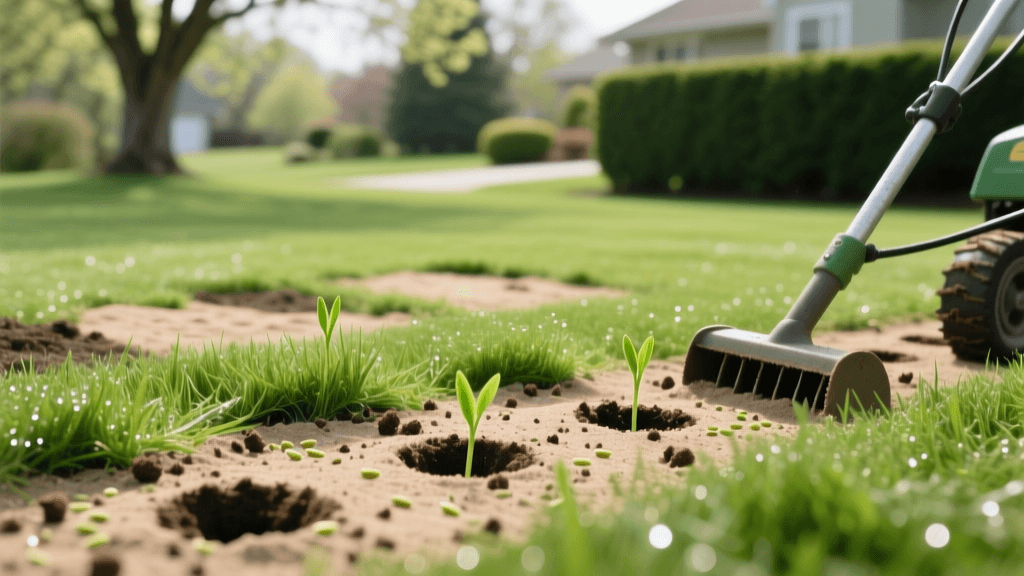
On the day of overseeding, mow your existing lawn slightly shorter than usual (around 2 inches) to allow sunlight to reach the soil surface. Vigorously rake the thin spots to remove dead thatch and loosen the top quarter-inch of soil. Spread the Jonathan Green Black Beauty seed evenly using a rotary spreader, ensuring you overlap your passes slightly to avoid striping.
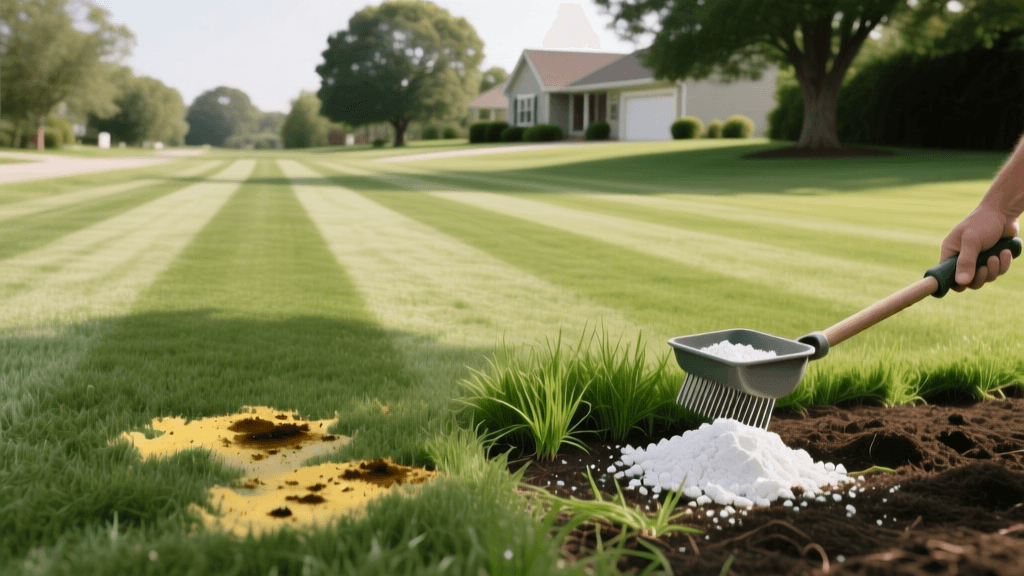
Immediately after seeding, apply your starter fertilizer. It is highly recommended to use a drop spreader for the fertilizer to ensure precise, even coverage without throwing granules onto your driveway or garden beds, which aligns with modern environmental best practices. Once both seed and fertilizer are down, lightly drag a leaf rake or a piece of chain-link fence over the area to mix the seed into the top 1/8 inch of soil. This seed-to-soil contact is non-negotiable for high germination rates.
Post-Germination Fertilizer Strategy
Once the Black Beauty seedlings reach roughly 3 to 3.5 inches in height (usually around week 4), it is time for the first mow. Ensure your mower blades are exceptionally sharp to avoid tearing the fragile new tissue. At this stage, the initial phosphorus from the starter fertilizer has been largely consumed by the rapidly expanding root system.
Around week 6, transition to a slow-release, high-nitrogen fertilizer. This secondary feeding shifts the plant's focus from root establishment to lateral tillering—the process where the grass plant sends out new shoots to thicken the turf canopy. A slow-release formula ensures a steady drip of nutrients over 6 to 8 weeks, preventing the massive flush of growth that can attract fungal pathogens like brown patch or dollar spot.
Common Fertilization Mistakes to Avoid in 2026
Even experienced homeowners can stumble when managing the delicate nutrient needs of new seedlings. Avoid these critical errors:
- Using 'Weed and Feed' Products: Never apply standard broadleaf weed killers (like 2,4-D or dicamba) to newly seeded areas. These chemicals will severely stunt or kill germinating fescue seedlings. If you must control weeds during overseeding, look for products containing Mesotrione, which is safe for use during the seeding of tall fescues.
- Over-Fertilizing Thin Spots: More is not better. Exceeding the recommended application rate of starter fertilizer can cause 'fertilizer burn,' where the high salt index of the granules draws moisture out of the tender seedling roots, killing them instantly.
- Neglecting Irrigation Post-Fertilization: Fertilizer salts must be dissolved and washed into the soil profile. If you apply starter fertilizer and fail to water it in immediately, the nutrients will remain on the surface, volatilize into the atmosphere, or wash away during the next heavy rainstorm, contributing to the very nutrient runoff issues environmental agencies warn against.
Conclusion
Overseeding thin spots with Jonathan Green Black Beauty seed is a highly rewarding investment in your property's landscape. By pairing this premium, deep-rooting seed with a scientifically sound starter fertilizer and adhering to a disciplined 2026 feeding schedule, you will transform bare, unsightly patches into a thick, dark-green, and drought-resistant lawn. Remember that successful lawn care is a marathon, not a sprint; proper soil preparation, precise nutrient timing, and consistent moisture management will yield a turf that stands the test of time and weather.