Lawn Care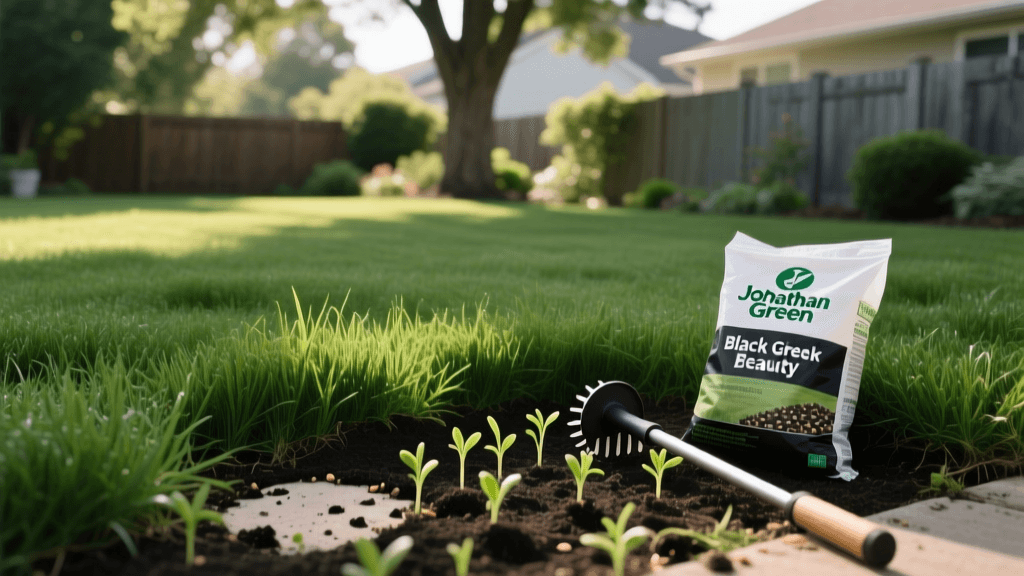
Overseeding Thin Spots With Jonathan Green Black Beauty in 2026
Revitalizing Your Lawn: The 2026 Guide to Overseeding Thin Spots
As we navigate the 2026 growing season, homeowners are facing unique lawn care challenges, from erratic spring rainfall to intense, localized summer heat waves. These environmental stressors, combined with heavy foot traffic and underlying soil compaction, frequently result in unsightly thin spots and bare patches across otherwise healthy turf. If your cool-season lawn is looking sparse, the most effective agronomic solution is a combination of core aeration and targeted overseeding. Specifically, utilizing premium genetics like Jonathan Green Black Beauty seed has become the gold standard for turf renovation this year.
Overseeding is not simply about tossing grass seed onto existing turf and hoping for the best. It requires a strategic approach that addresses soil compaction, seed-to-soil contact, and precise moisture management. In this comprehensive guide, we will break down the exact steps to successfully overseed thin spots using Jonathan Green Black Beauty, ensuring your lawn achieves that coveted deep, dark green color and dense, drought-resistant root system in 2026.
Understanding Jonathan Green Black Beauty Seed Genetics
Before diving into the physical labor of aeration and seeding, it is crucial to understand why Jonathan Green Black Beauty is highly recommended by turf professionals. Unlike generic big-box store seed mixes that rely on older, less resilient cultivars, Black Beauty Ultra utilizes elite, patented tall fescue, Kentucky bluegrass, and perennial ryegrass genetics.
The defining characteristic of Black Beauty is its invisible waxy leaf coating, which is bred to retain moisture and protect the grass from extreme heat and drought—a vital trait for the unpredictable 2026 climate patterns. Furthermore, these seeds are treated with beneficial endophytes, naturally occurring fungi that live inside the grass plant and produce alkaloids. These alkaloids act as a natural deterrent against surface-feeding insects like chinch bugs and sod webworms, reducing the need for chemical pesticides.
Seed Comparison: Black Beauty Ultra vs. Generic Mixes
| Trait | Jonathan Green Black Beauty Ultra | Standard Generic Tall Fescue Mix |
|---|---|---|
| Root Depth Potential | Up to 4 feet (deep drought resistance) | 1 to 2 feet (shallow, prone to stress) |
| Leaf Color | Deep, dark emerald green | Light to medium green |
| Insect Resistance | High (Endophyte-enhanced) | Low to None |
| Moisture Retention | Excellent (Waxy cuticle coating) | Poor (Rapid transpiration) |
| Germination Rate | 90%+ (Certified premium seed) | 70-80% (Often contains weed seeds) |
Step 1: Core Aeration for Optimal Seed-to-Soil Contact
You cannot successfully overseed compacted soil. When soil particles are pressed tightly together, water, oxygen, and nutrients cannot reach the root zone, and new grass seedlings struggle to establish. According to turfgrass experts at the University of Maryland Extension, core aeration is the most effective method for alleviating compaction and preparing a seedbed in an existing lawn.
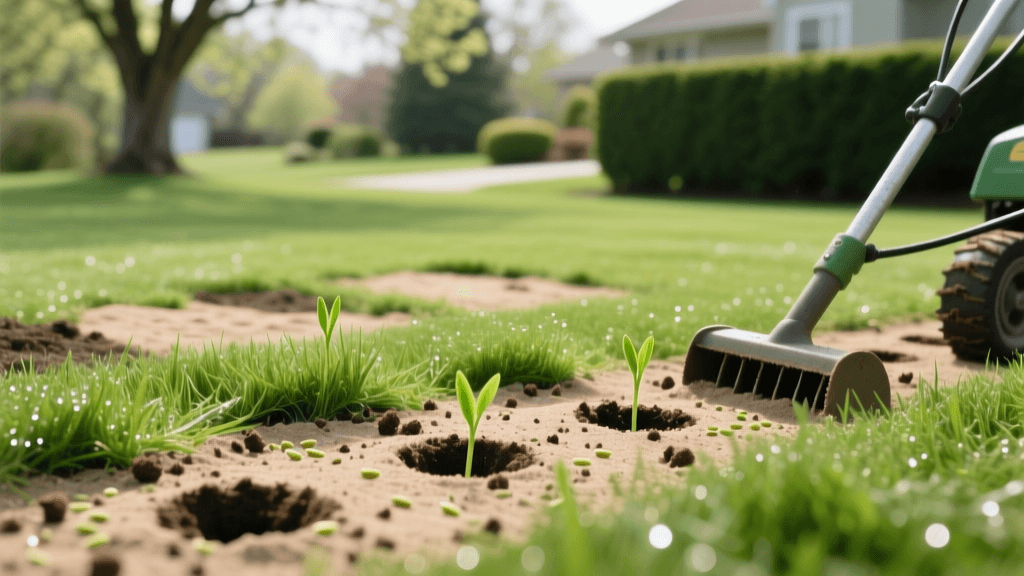
Core aeration involves using a machine with hollow tines to physically extract plugs of soil, typically 2 to 3 inches deep and spaced about 3 to 4 inches apart. For thin spots, you should perform a double pass with the aerator, making the second pass perpendicular to the first. This creates a dense grid of holes. When you apply the Black Beauty seed later, the seeds will fall directly into these aeration holes, providing perfect seed-to-soil contact, protecting the seed from birds, and placing it in a micro-environment that retains moisture.
Pro Tip for 2026: Do not use spike aerators or aerator shoes. These tools merely punch holes into the ground, which can actually increase soil compaction along the walls of the hole. Always rent or hire a professional with a heavy-duty core aerator.
Step 2: Soil Testing and Amendment
Grass seed is an investment, and planting it in hostile soil is a waste of money. Cool-season grasses thrive in soil with a pH between 6.0 and 6.8. If your soil is too acidic (common in areas with heavy pine tree coverage or high annual rainfall), essential nutrients like phosphorus and potassium become locked up and unavailable to the new seedlings.
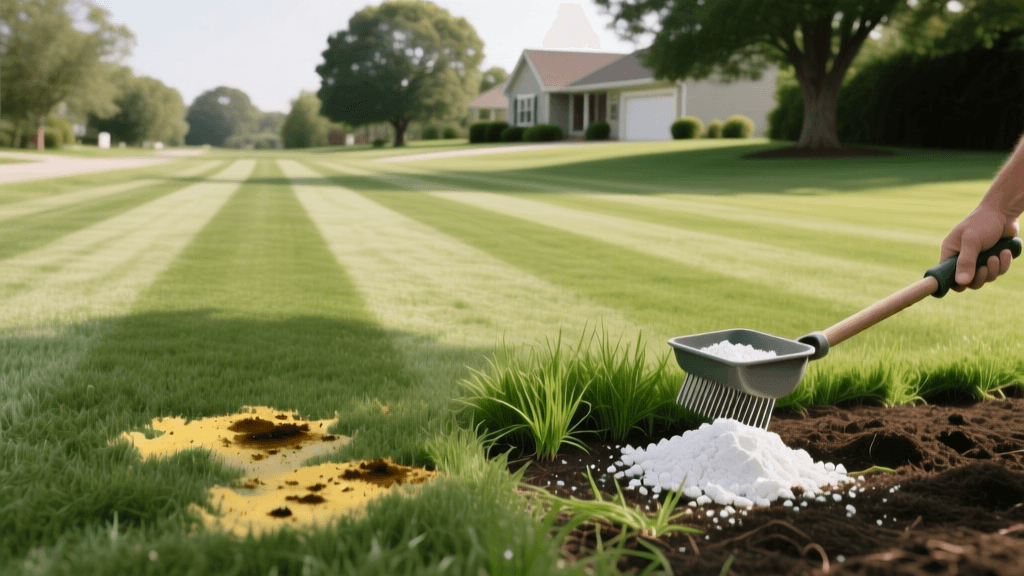
Before overseeding, conduct a soil test. If your pH is below 6.0, apply a fast-acting calcium soil amendment, such as Jonathan Green MAG-I-CAL Plus, on the same day you seed. This will rapidly adjust the pH and stimulate soil microbes. If your soil test reveals severe compaction and heavy clay, incorporating a gypsum-based soil loosener will help break up the clay particles, allowing the deep roots of the Black Beauty tall fescue to penetrate downward.
Step 3: Overseeding Techniques and Application Rates
Once the lawn is aerated and the soil is prepped, it is time to spread the seed. For overseeding thin spots (where some existing grass remains), the recommended application rate for Jonathan Green Black Beauty Ultra is 8 to 10 pounds per 1,000 square feet. If you are dealing with completely bare patches, increase the rate to 12 to 15 pounds per 1,000 square feet.
Use a rotary broadcast spreader for even distribution. Split your seed amount in half and apply it in two perpendicular directions (e.g., north-to-south, then east-to-west) to avoid striping. After spreading, take a stiff push broom or a piece of chain-link fence and drag it across the thin spots. This helps work the seed down into the aeration holes and ensures it is covered by a thin layer of soil, which is critical for preventing the seed from drying out.
The Starter Fertilizer Requirement
New grass seedlings require a specific nutrient profile to establish quickly. Standard lawn fertilizers are high in nitrogen, which promotes top growth but does little for root development. You must use a high-phosphorus starter fertilizer at the time of seeding. Phosphorus is the primary driver of early root formation. Apply the starter fertilizer immediately after seeding, following the 2026 manufacturer guidelines on the bag to prevent nutrient runoff.
Step 4: Post-Seeding Irrigation and Mowing Rules
The single most common reason overseeding fails is improper watering. Grass seed must remain consistently moist until it germinates and establishes a secondary root system. Black Beauty tall fescue typically germinates in 10 to 14 days under optimal soil temperatures (55°F to 65°F).
- Days 1 to 14 (Germination Phase): Water the overseeded thin spots lightly 2 to 3 times per day for 5 to 10 minutes per session. The goal is to keep the top inch of soil damp, not to flood the lawn. If the seed dries out even once during germination, the sprout will die.
- Days 15 to 28 (Establishment Phase): Once the new grass reaches about 1.5 inches tall, reduce watering frequency to once a day, but increase the duration to 20 minutes. This encourages the roots to grow deeper into the aeration holes.
- Day 29 and Beyond: Transition to a standard deep-and-infrequent watering schedule, aiming for 1 to 1.5 inches of water per week, including rainfall.
Mowing Restrictions: Do not mow the lawn until the new Black Beauty grass reaches at least 3.5 to 4 inches in height. When you do make the first cut, ensure your mower blades are freshly sharpened. Dull blades will tear the tender new seedlings out of the ground by the roots. Never remove more than the top one-third of the grass blade in a single mowing session.
Crucial Warning: Pre-Emergent Herbicide Conflicts
If you are planning your 2026 lawn care calendar, you must be aware of the conflict between pre-emergent crabgrass preventers and grass seed. Standard pre-emergents (like Prodiamine or Dithiopyr) work by creating a chemical barrier in the soil that stops all seeds from germinating—including your expensive Black Beauty seed.
If you must apply a crabgrass preventer in the spring while also overseeding thin spots, you are required to use a specialized active ingredient called Siduron (often sold under the brand name Tupersan). Siduron is the only pre-emergent that inhibits crabgrass germination without harming cool-season grass seedlings. Always read the 2026 product labels carefully to ensure compatibility.
Frequently Asked Questions
When is the absolute best time to overseed in 2026?
Early fall (late August through mid-October) is the undisputed best time to overseed cool-season lawns. The soil is still warm from the summer, which speeds up germination, but the air temperatures are cooling down, reducing heat stress and weed competition. Spring overseeding (April to May) is a secondary option but requires vigilant watering to survive the upcoming summer heat.
Can I put topsoil over the seed?
Avery thin layer (1/8 inch) of screened compost or peat moss can be applied over the seed to help retain moisture. However, applying heavy topsoil or burying the seed deeper than 1/4 inch will suffocate the seedlings and prevent them from reaching the surface. Rely on the aeration holes to provide the necessary soil coverage.
Conclusion
Transforming thin, struggling turf into a dense, dark green carpet requires patience, proper agronomic practices, and premium materials. By combining the mechanical benefits of core aeration with the elite genetics of Jonathan Green Black Beauty seed, you are setting your lawn up for long-term success. Follow this 2026 protocol meticulously, respect the watering schedule, and you will be rewarded with a thick, resilient lawn capable of withstanding whatever the environment throws at it. For further academic insights on turfgrass establishment and maintenance, consult resources from the Rutgers Turfgrass Research Program.