Lawn Care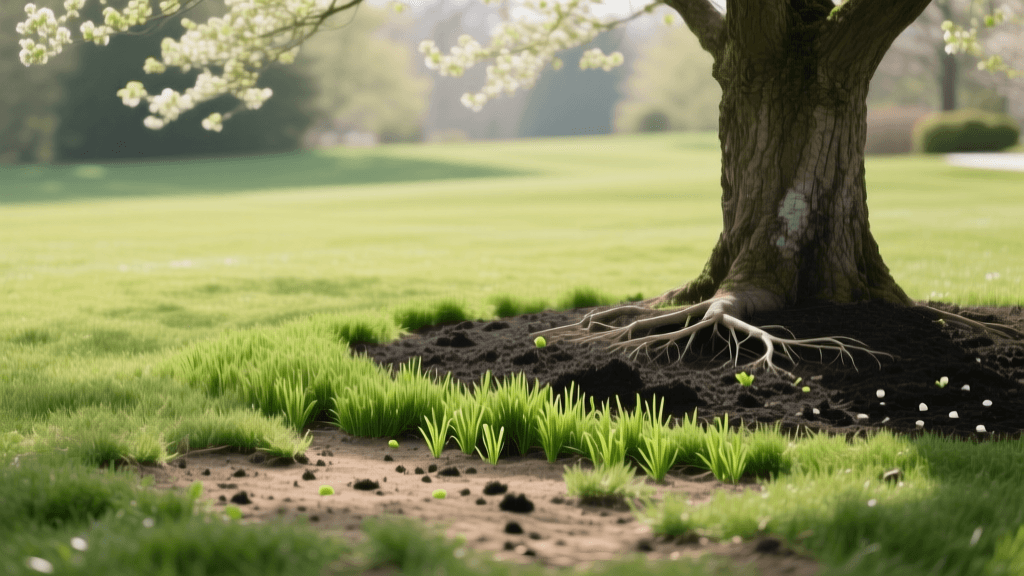
Overseed Tree Shade: Jonathan Green Black Beauty 2026 Guide
The Intersection of Tree Planting and Lawn Health
When designing a residential landscape, homeowners often face a classic horticultural dilemma: maintaining a lush, vibrant turfgrass beneath the sprawling canopy of majestic trees. As we navigate the unpredictable weather patterns and shifting climate zones of 2026, the competition between deep-rooted trees and shallow-rooted grasses has never been more pronounced. Whether you are integrating new saplings into your yard this spring or managing the mature oaks and maples that have anchored your property for decades, dealing with thin, patchy grass in shaded areas is a universal challenge.
Fortunately, modern turfgrass genetics have evolved to meet these environmental stressors head-on. Overseeding thin spots with Jonathan Green Black Beauty seed has emerged as a premier strategy for lawn care enthusiasts and professional landscapers alike. This comprehensive guide bridges the gap between tree selection, planting strategies, and advanced lawn care, providing you with the exact protocols needed to cultivate a dense, shade-tolerant lawn beneath your trees in 2026.
The Challenge of Growing Grass Under Tree Canopies
Before diving into the overseeding process, it is crucial to understand why thin spots develop under trees in the first place. The conflict between trees and turfgrass is primarily driven by three factors: light deprivation, moisture competition, and nutrient monopolization.
- Light Deprivation: Most traditional grass species require a minimum of six to eight hours of direct sunlight to photosynthesize effectively. Dense tree canopies filter out the red and blue light wavelengths that turfgrass needs to thrive, leading to weak, spindly grass blades that easily succumb to disease.
- Moisture Competition: A mature tree's root system can extract hundreds of gallons of water from the soil each week. According to the University of Minnesota Extension, tree roots aggressively compete with shallow grass roots for surface moisture, often leaving the top few inches of soil completely desiccated during summer heatwaves.
- Nutrient Monopolization: Trees are heavy feeders. Their extensive mycorrhizal networks and deep taproots efficiently strip the soil of essential macronutrients like nitrogen and phosphorus before the grass can absorb them.
According to turfgrass researchers at the University of Minnesota Extension, attempting to grow standard Kentucky Bluegrass in heavy shade is a losing battle. Success requires a paradigm shift in both the tree species you choose to plant and the specific grass cultivars you use to overseed the resulting thin spots.
Strategic Tree Selection for Turf Compatibility
If you are in the planning stages of landscaping or considering adding new trees to your property in 2026, your selection process should heavily factor in the health of your lawn. Not all trees are created equal when it comes to turfgrass compatibility. To minimize thin spots and reduce the frequency of aggressive overseeding, consider the following tree selection guidelines:
High-Canopy, Open-Structure Trees
Trees that naturally develop high branches and allow dappled sunlight to reach the ground are ideal for lawn integration. Species such as the White Oak (Quercus alba), Ginkgo Biloba, and Honey Locust (Gleditsia triacanthos) provide architectural beauty and summer shade without completely blocking the solar radiation your grass needs. When planting these trees, ensure you prune the lower limbs as they mature to elevate the canopy and improve air circulation at the soil level.
Trees to Avoid in Lawn Areas
Conversely, some tree species are notorious for creating 'dead zones' where grass simply refuses to grow. The Norway Maple, for example, casts an incredibly dense, dark shade and features aggressive surface roots that physically push turfgrass out of the soil profile. Similarly, Black Walnut trees secrete juglone, a biochemical that is highly toxic to many turfgrass and garden species. If you have these trees on your property, overseeding with specialized, stress-tolerant seed blends is your only viable option for maintaining ground cover.
Why Jonathan Green Black Beauty Excels in Shady, Root-Heavy Zones
When addressing the thin spots created by tree competition, standard hardware store seed mixes will inevitably fail. Jonathan Green Black Beauty seed, particularly the Black Beauty Ultra and Shady Nooks formulations available in 2026, represents a significant leap in turfgrass science. Here is why this specific seed line is the gold standard for overseeding beneath trees:
- The Waxy Cuticle: Black Beauty grasses possess a unique, invisible waxy coating on the leaf blades. This cuticle acts like the skin of an apple, locking in moisture and preventing the grass from drying out when tree roots monopolize the soil's water supply.
- Deep Rooting Genetics: While standard grasses root at a shallow two to three inches, Black Beauty cultivars can send roots down up to four feet deep. This allows the grass to bypass the dense mat of surface tree roots and tap into deeper, cooler soil moisture reserves.
- Endophyte Enhancement: Many Black Beauty blends contain natural endophytes—beneficial fungi that live within the grass plant. These endophytes produce natural compounds that deter surface-feeding insects and improve the plant's overall resilience to environmental stress, a critical feature for grass already weakened by shade.
- Darker Green Color: The genetically darker green pigmentation allows the grass to absorb a broader spectrum of available light, maximizing photosynthesis even in the dappled shade of a tree canopy.
2026 Step-by-Step Guide to Overseeding Thin Spots Near Trees
Overseeding around established trees requires a delicate touch to avoid damaging the tree's critical root zone while ensuring proper seed-to-soil contact for the grass. Follow this step-by-step protocol for optimal results in the fall or spring of 2026.
Step 1: Canopy Management and Site Preparation
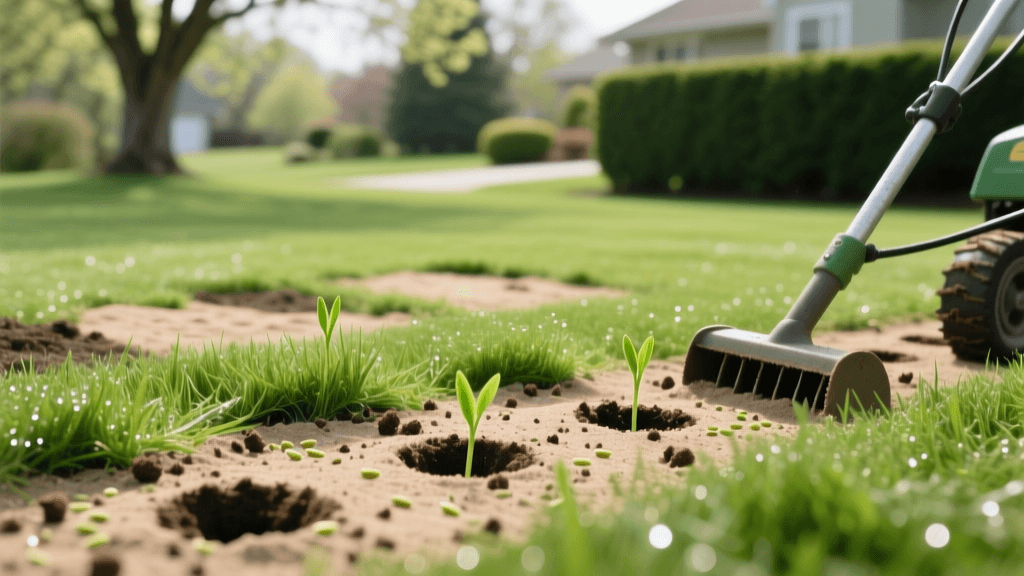
Begin by selectively pruning the lower branches of your trees to raise the canopy and allow more morning sunlight to penetrate. Next, remove any debris, fallen leaves, and exposed surface roots that might block the seed. Rake the thin spots vigorously with a steel-tine rake to scratch the soil surface. Avoid using heavy mechanical dethatchers or aggressive core aerators directly over the primary root flares of the tree, as severing major structural roots can invite disease and destabilize the tree.
Step 2: Soil Amendment and pH Balancing
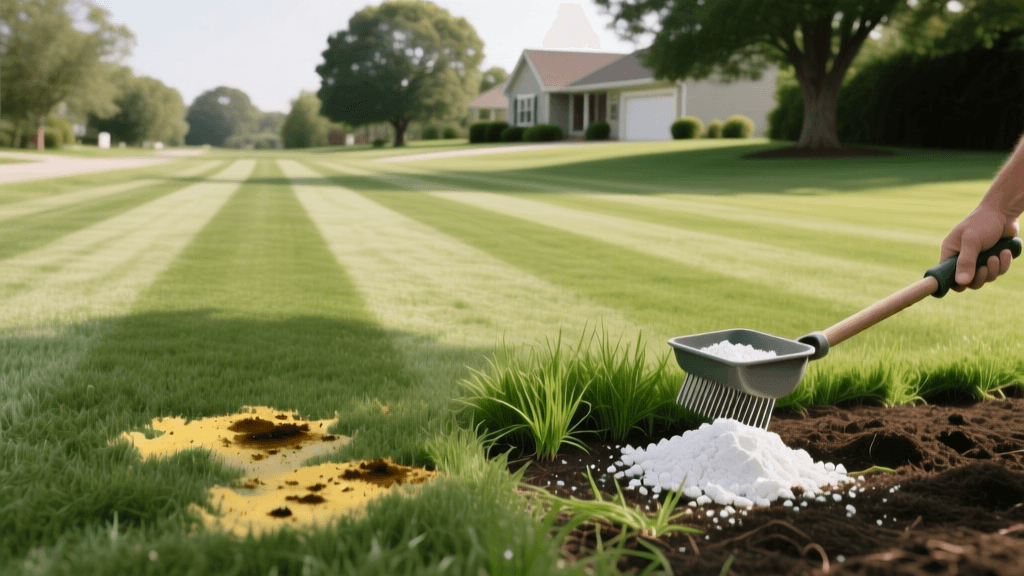
Tree soils are often highly acidic due to decomposing leaf litter. Before applying seed, conduct a soil test. If the pH is below 6.0, apply a fast-acting calcitic lime. Jonathan Green's 'Love Your Soil' is an excellent 2026 product choice for these zones, as it loosens compacted soil around tree roots, stimulates microbial activity, and provides a calcium-rich environment without burning the delicate new grass seedlings.
Step 3: Precise Seed Application
For overseeding thin spots, apply Jonathan Green Black Beauty Ultra at a rate of 3 to 4 pounds per 1,000 square feet. Use a broadcast spreader for even coverage, but be mindful of the tree trunk. Keep the seed at least six inches away from the base of the trunk to prevent moisture buildup against the bark, which can lead to crown rot. Lightly rake the seed into the top 1/8 inch of soil to ensure intimate seed-to-soil contact.
Step 4: Targeted Fertilization and Watering
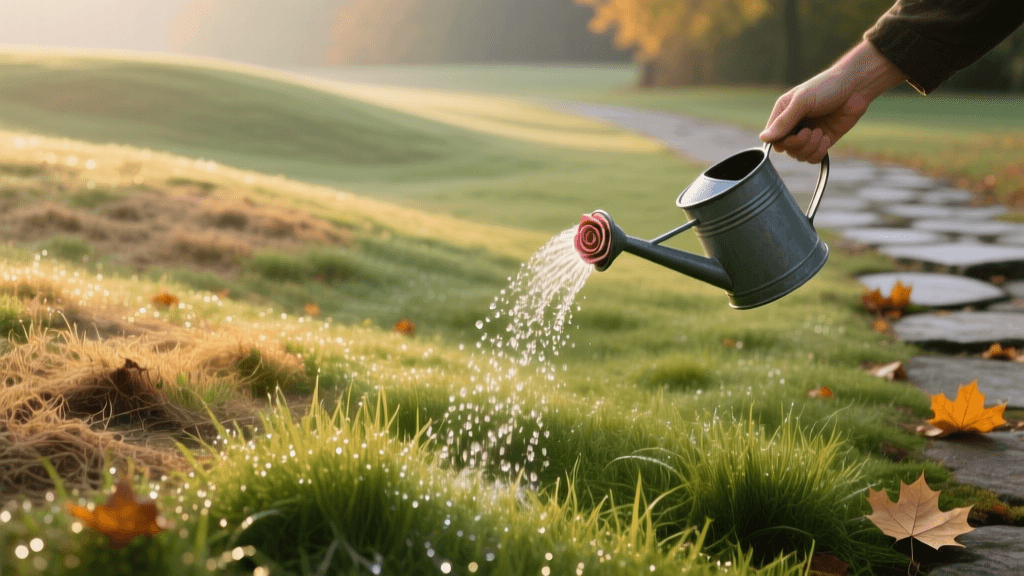
Apply a high-phosphorus starter fertilizer to promote rapid root development. Watering is the most critical phase. Because the tree will be actively pulling moisture from the soil, you must water the overseeded areas lightly two to three times a day for the first 14 days to keep the seed perpetually moist. Once the grass reaches two inches, transition to deep, infrequent watering to encourage the Black Beauty roots to dive deep below the tree's feeder roots.
2026 Tree Canopy vs. Grass Compatibility Chart
Understanding how your specific tree species interacts with turfgrass will help you set realistic expectations and tailor your overseeding density. Refer to the chart below when planning your 2026 lawn care routines.
| Tree Species | Canopy Density | Root Competition | Black Beauty Overseeding Success |
|---|---|---|---|
| White Oak | Moderate / Dappled | Moderate (Deep Taproot) | Excellent (90%+) |
| Ginkgo Biloba | Light / Open | Low to Moderate | Excellent (95%+) |
| Red Maple | Dense | High (Surface Roots) | Good (Requires heavy seeding) |
| Norway Maple | Very Dense | Extreme | Fair (Consider groundcover instead) |
| Honey Locust | Very Light | Moderate | Excellent (95%+) |
Long-Term Maintenance and Root Zone Care
Once your Jonathan Green Black Beauty grass has established beneath the trees, long-term maintenance requires a shift in standard lawn care practices. According to landscape management guidelines from Penn State Extension, shaded turfgrass must be treated differently than grass growing in full sun.
First, raise your mower deck. Grass in shaded areas should never be cut shorter than 3.5 to 4 inches. The taller blade length compensates for the lack of sunlight by providing more surface area for photosynthesis and shading the soil to reduce evaporation. Second, reduce your nitrogen fertilizer applications in shaded zones by 25 to 30 percent compared to the rest of your lawn. Excess nitrogen in shady areas promotes rapid, weak, and succulent top-growth that is highly susceptible to fungal diseases like powdery mildew and brown patch.
Finally, manage the autumn leaf fall aggressively. While a thin layer of mulched leaves can provide organic matter, a thick blanket of wet leaves will smother the Black Beauty grass and trap moisture against the tree trunk. Use a mulching mower to finely chop leaves as they fall, or rake them promptly to ensure your newly overseeded turf enters the winter dormancy period with access to vital air circulation and light.
Conclusion
Integrating trees and turfgrass does not have to be a zero-sum game. By thoughtfully selecting tree species with open canopies and utilizing advanced, shade-tolerant genetics like Jonathan Green Black Beauty seed, you can successfully overseed thin spots and maintain a vibrant, cohesive landscape. As you execute your lawn care strategy in 2026, remember that patience, precise soil preparation, and mindful watering are the keys to overcoming the natural competition between your towering trees and your lush, ground-level turf.