Lawn Care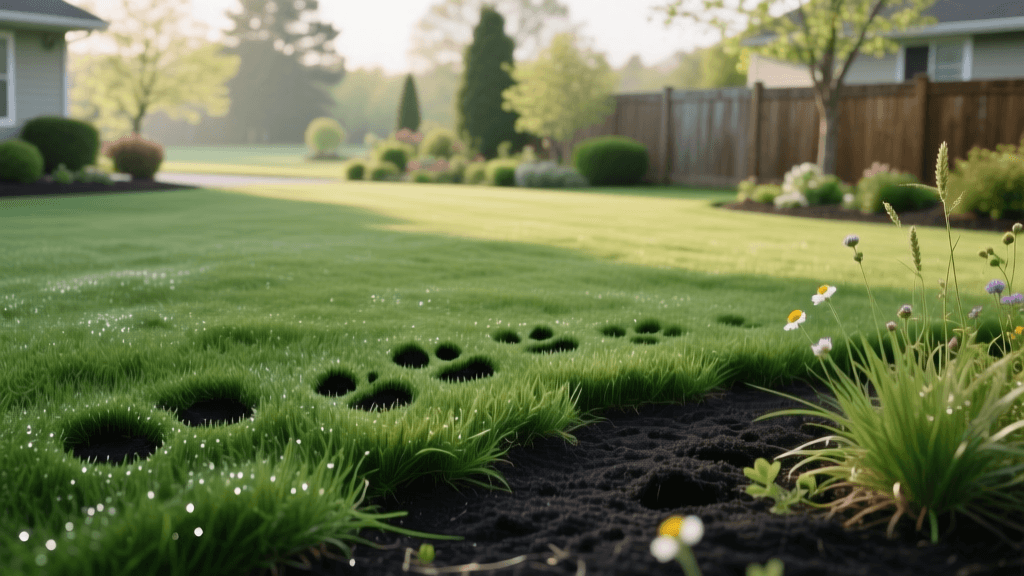
Jonathan Green Black Beauty: Wildlife Lawn Repair 2026
The Intersection of Wildlife Activity and Lawn Degradation
For homeowners battling the dual threats of turf degradation and local wildlife, maintaining a pristine yard can feel like an uphill battle. As we navigate the 2026 growing season, suburban and rural landscapes are seeing increased interactions between yard animals and residential lawns. Thin, weak spots in your turf are not just eyesores; they are open invitations to foraging wildlife. Raccoons and skunks frequently roll back weakened sod in search of grubs, while deer and rabbits target tender, sparse shoots. Furthermore, the constant foot traffic from neighborhood pets and local fauna severely compacts the soil in these vulnerable areas, creating a vicious cycle of turf decline.
To break this cycle, standard overseeding methods often fall short. You need a grass variety that establishes quickly, roots deeply to resist digging, and blends seamlessly to deter selective grazing. Enter Jonathan Green Black Beauty seed. Renowned for its tetraploid turf-type tall fescue genetics, this specific seed blend has become the gold standard for repairing animal-damaged thin spots while maintaining a resilient, dark green canopy that naturally discourages wildlife interference.
Why Black Beauty Excels in High-Traffic Wildlife Zones
When addressing lawn damage caused by animals, the genetic profile of your seed is paramount. According to turfgrass researchers at the University of Minnesota Turfgrass Science program, deep-rooted tall fescues are significantly more resistant to the physical tearing and uprooting caused by digging mammals. Jonathan Green Black Beauty takes this a step further with several unique traits tailored for 2026's demanding environmental conditions:
- Deep Root Architecture: Black Beauty varieties can grow roots up to four feet deep. This massive subterranean network anchors the soil tightly, making it incredibly difficult for skunks, raccoons, and armadillos to peel back the turf when foraging for insects.
- Natural Waxy Leaf Coating: The leaves possess a natural waxy cuticle that retains moisture and provides a tougher texture. This deters grazing animals like rabbits and deer, who typically prefer softer, high-moisture vegetation.
- Dark Green Pigmentation: Wildlife often target bright, lime-green, nitrogen-heavy flushes of new growth. The genetically dark green hue of Black Beauty blends in with mature, established turf, effectively hiding vulnerable thin spots from the visual cues that attract foraging animals.
- Drought and Heat Tolerance: With 2026 bringing extended late-summer heat waves, thin spots dry out fastest. Black Beauty's superior drought tolerance ensures that the repaired zones do not quickly revert to bare dirt, which would otherwise invite weed encroachment and further animal digging.
Step-by-Step Guide to Overseeding Animal-Damaged Thin Spots
Repairing wildlife damage requires a more meticulous approach than standard fall overseeding. Follow this protocol to ensure maximum germination while keeping local fauna at bay.
Step 1: Remediate the Digging Damage
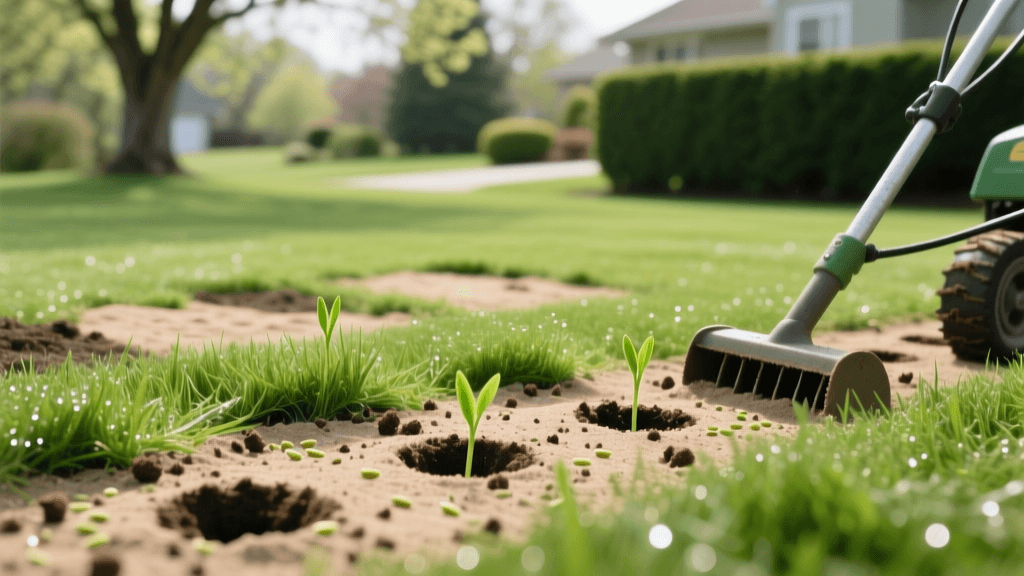
Before dropping a single seed, you must address the physical craters left by digging animals. Use a flat spade to slice into the edges of rolled-back turf. If the soil is heavily compacted from animal traffic, use a manual core aerator or a garden fork to puncture the ground to a depth of at least four inches. Fill any deep holes with a 50/50 mix of topsoil and compost, leveling the area with the surrounding grade. This eliminates the uneven terrain that attracts burrowing pests.
Step 2: Precision Seeding Rates
For overseeding thin spots damaged by wildlife, you need a dense canopy to form quickly. Apply Jonathan Green Black Beauty Ultra at a rate of 10 to 15 pounds per 1,000 square feet. Use a rotary spreader for broad thin areas, and a hand-cast spreader for localized animal damage zones. Ensure you achieve strict seed-to-soil contact by dragging a piece of chain-link fence or a lawn leveling rake lightly over the seeded area.
Step 3: Wildlife-Safe Seed Protection
This is the most critical step for yards with heavy animal pressure. The Internet Center for Wildlife Damage Management notes that exposed seeds and fresh soil disturbance are primary attractants for seed-eating birds and burying squirrels. To protect your investment:
- Avoid Straw Mulch: Traditional straw harbors weed seeds and provides nesting material for mice and voles, which will subsequently chew on your new grass roots. Instead, use a biodegradable jute netting or a specialized seed accelerator mulch.
- Pin Down Netting: Secure biodegradable netting with landscape staples every two feet. This prevents raccoons and crows from pulling up the matting to access the seed beneath.
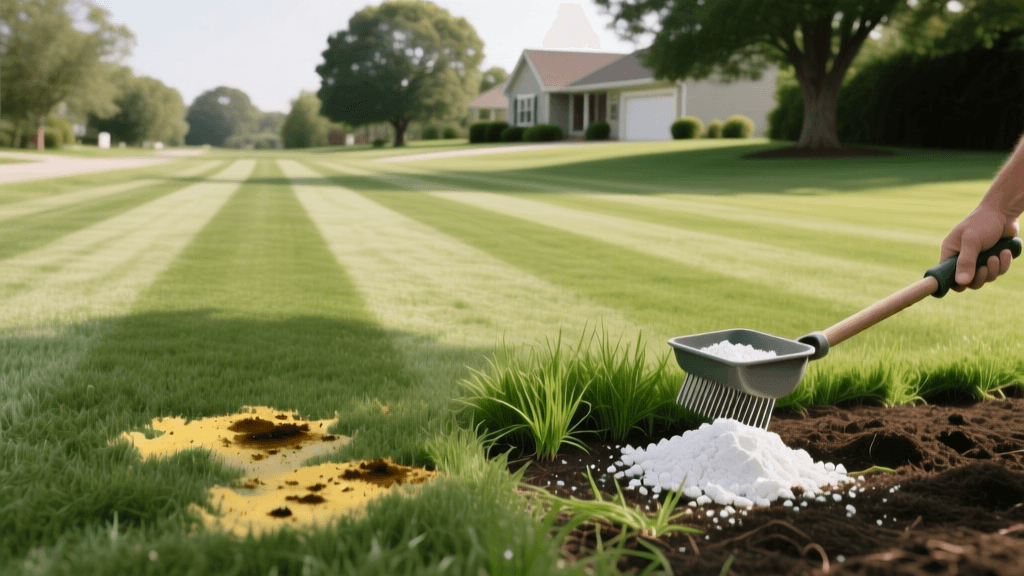
- Organic Scent Deterrents: Apply an organic, iron-based fertilizer like Milorganite over the seeded area. The strong, processed scent naturally repels deer and rabbits without harming the germinating seed or local waterways.
2026 Material and Cost Breakdown for Wildlife Repair
Budgeting for targeted lawn repair requires understanding current market prices. Below is a structured cost analysis for remediating a 2,000 square foot zone heavily impacted by wildlife traffic, using 2026 retail averages.
| Material / Service | Quantity Needed (2k sq ft) | Estimated 2026 Cost | Wildlife Management Benefit |
|---|---|---|---|
| Jonathan Green Black Beauty Ultra Seed | 25 lbs (1 Bag) | $125.00 | Deep roots resist animal tearing; dark color hides turf. |
| Organic Starter Fertilizer (High Phosphorus) | 1 Bag (covers 2,500 sq ft) | $45.00 | Promotes rapid root anchoring before pests return. |
| Milorganite (Iron-based Organic Nitrogen) | 1 Bag (36 lbs) | $32.00 | Scent deters grazing deer and rabbits from new shoots. |
| Biodegradable Jute Netting | 2 Rolls (approx. 2,400 sq ft coverage) | $60.00 | Prevents birds from eating seed and squirrels from digging. |
| Landscape Staples (6-inch) | 1 Box (50 count) | $18.00 | Secures netting against raccoon and dog interference. |
| Total Estimated Project Cost | N/A | $280.00 | Comprehensive defense and turf restoration. |
Post-Germination Maintenance and Long-Term Deterrence
Once the Black Beauty seed germinates (typically within 10 to 14 days under optimal 2026 soil temperatures), your wildlife management strategy must shift from seed protection to canopy defense.
Mowing Height: Never scalp your lawn. Set your mower deck to a minimum of 3.5 to 4 inches. Taller grass shades the soil, keeping it cool and less appealing to sun-seeking reptiles and burrowing insects, which in turn removes the food source that attracts digging mammals. Furthermore, a taller canopy hides the base of the grass from rabbits, preventing them from chewing the crowns of the young plants.
Smart Irrigation: Overwatering thin spots creates muddy, boggy conditions that attract mud-loving pests and make it easier for animals to dig. Utilize smart irrigation controllers to deliver deep, infrequent watering cycles. This forces the Black Beauty roots to chase the moisture downward, rapidly establishing the four-foot root system that makes the turf virtually indestructible against surface-level animal traffic.
Grub Control: The primary reason skunks and raccoons destroy thin lawns is the presence of white grubs near the surface. In late spring and early summer of 2026, apply a preventative, wildlife-safe grub control product containing chlorantraniliprole. This active ingredient is highly effective against turf-destroying grubs but is exceptionally safe for birds, mammals, and soil biology, ensuring you eliminate the root cause of the digging without harming the local ecosystem.
Conclusion
Managing a lawn in areas with high wildlife activity requires a strategic approach that goes beyond simple aesthetics. By understanding the foraging habits of local fauna and leveraging the advanced genetics of Jonathan Green Black Beauty seed, homeowners can transform vulnerable, animal-damaged thin spots into impenetrable, dark green fortresses. With proper soil prep, wildlife-safe seed protection, and smart cultural practices, your 2026 lawn can thrive in harmony with nature, rather than being consumed by it.