Gardening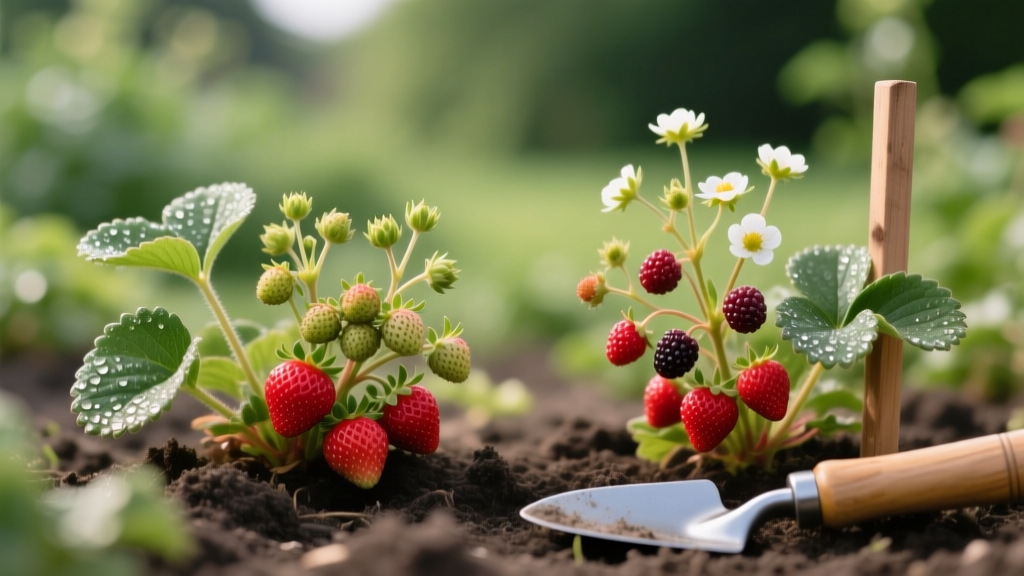
Strawberry Photo Journal 2026: June-Bearing vs Everbearing
Mike RodriguezPublished
The Art and Science of Strawberry Documentation in 2026
Garden documentation has evolved far beyond simple handwritten journals and sketchbooks. In 2026, the integration of high-resolution macro photography, time-lapse capabilities, and digital metadata tagging allows home gardeners and horticulturists to track plant health, yield volumes, and microclimate impacts with scientific precision. When it comes to strawberries, creating a visual photo journal is not just an aesthetic pursuit; it is a vital tool for understanding the distinct growth habits of your plants. Whether you are cultivating the explosive, single-harvest June-bearing varieties or the steady, continuous yields of everbearing and day-neutral cultivars, photography provides a chronological map of your garden's success and struggles.
This guide will walk you through the specialized techniques required to document and photograph June-bearing versus everbearing strawberries throughout the 2026 growing season. By mastering these visual tracking methods, you will improve your horticultural outcomes, catch diseases early, and build a stunning visual archive of your garden's evolution.
Understanding Your Visual Subjects
Before setting up your camera gear, it is crucial to understand the botanical and visual differences between your subjects. According to the University of Minnesota Extension, June-bearing strawberries (Fragaria × ananassa) are short-day plants that initiate flower buds in the fall, resulting in one massive, concentrated harvest in early summer. Visually, this translates to a sudden, overwhelming explosion of white blossoms in spring, followed by a dense, heavy canopy of red fruit that often weighs down the runners.
Conversely, everbearing and day-neutral varieties (such as 'Albion' and 'Seascape') do not rely on day length to initiate flowering. They produce smaller, continuous yields from early summer right up until the first autumn frost. Visually, an everbearing strawberry patch is a study in overlapping lifecycles: you will simultaneously capture open flowers, small green drupelets, and fully ripe red berries on the exact same plant. Documenting these differences requires two entirely distinct photographic strategies.
Essential Photography Gear for the 2026 Season
To properly document the intricate details of strawberry cultivation, your 2026 gear kit must be tailored to the garden environment. Morning dew, sudden spring showers, and the need for extreme close-ups dictate your equipment choices.
- Camera Body: A weather-sealed mirrorless camera is highly recommended for 2026 garden work. Models with advanced subject-tracking and in-body image stabilization (IBIS) allow for sharp, handheld macro shots even in breezy conditions.
- Lenses: A dedicated 90mm or 100mm macro lens is the workhorse of garden documentation. This focal length provides a 1:1 magnification ratio, allowing you to capture the tiny achenes (seeds) on the surface of the strawberry and the fine hairs on the petioles without casting a shadow over your subject.
- Smartphone Alternatives: Flagship smartphones in 2026 feature dedicated telemacro sensors that are remarkably capable for quick, daily documentation. Utilize the macro mode for quick pest identification, but rely on a dedicated camera for your primary portfolio.
- Lighting Modifiers: A 5-in-1 collapsible reflector is essential. Use the diffuser panel to soften harsh midday sun, which often blows out the vibrant red highlights on ripe strawberry cultivars like 'Chandler' or 'Jewel'.
- Color Calibration: A portable gray card ensures your white balance is accurate, which is critical when tracking the subtle color shifts from white blossom to pale green, then to deep crimson.
Photographing June-Bearing Strawberries: The Explosive Bloom
Because June-bearing varieties offer a highly concentrated window of visual interest, your documentation strategy must be intensive and fast-paced. The goal is to capture the sheer volume and density of the harvest.
1. The Spring Bloom Time-Lapse
Set up a fixed-point tripod station at the end of your strawberry row in early spring. Program your camera to take one image every 12 hours. This time-lapse will beautifully illustrate the rapid, synchronized blooming phase that defines June-bearers. Ensure your tripod is weighed down with a sandbag to prevent wind drift over the multi-week shooting period.
2. Capturing the Heavy Canopy
When the fruit sets, June-bearing plants often produce clusters so heavy that the berries rest on the soil or mulch. To document this, use a low-angle perspective. Get down to ground level and shoot upward through the strawberry leaves, using a wide aperture (f/2.8 or f/4) to blur the foreground foliage and draw the viewer's eye to the heavy clusters of fruit. This technique highlights the structural burden on the plant, which can also serve as a visual record to remind you to install better straw mulch or support netting for the 2027 season.
3. The Harvest Flatlay
Documentation extends beyond the garden bed. After your massive single harvest, arrange the berries by size and color on a neutral matte board. Shoot from directly above (a flatlay) using a 35mm or 50mm lens. Include a ruler or a standardized color chart in the frame to provide scale and accurate color grading for your records.
Capturing Everbearing Strawberries: The Continuous Story
Everbearing and day-neutral strawberries require a marathon approach to documentation. The visual narrative here is one of endurance, runner management, and overlapping growth stages.
1. Weekly Interval Portraits
Rather than a rapid time-lapse, establish a weekly interval portrait routine. Select three distinct 'Albion' or 'Ozark Beauty' plants and tag them with discreet, non-reflective markers. Every Sunday morning, during the soft, directional light of the golden hour (shortly after 6 AM), photograph these specific plants from the exact same angle and distance. Over the course of the 2026 season, this will yield a powerful 20-frame sequence showing the continuous, staggered production of fruit alongside new vegetative growth.
2. Macro Focus on Lifecycle Overlap
The most visually striking aspect of everbearing strawberries is the simultaneous presence of flowers and ripe fruit. Use your 100mm macro lens and focus stacking techniques to capture this phenomenon. By taking multiple images at different focal planes and merging them in post-processing, you can produce an image where the delicate white petals of a new flower and the textured, seed-dimpled surface of a ripe berry are both in razor-sharp focus. This highlights the continuous energy expenditure of the plant.
3. Documenting Runner Management
Everbearing varieties expend significant energy on runners. A crucial part of your photo journal should document your pruning practices. Take 'before and after' photos of the runner removal process. Visually tracking the plant's vigor after aggressive runner pruning will provide undeniable proof of how energy redirection impacts late-season fruit size and quality.
Visual Diagnostics: Spotting Disease Through the Lens
One of the most practical applications of garden photography in 2026 is early disease detection. High-resolution macro images allow you to spot fungal and bacterial issues before they become visible to the naked eye. The Royal Horticultural Society notes that proper air circulation and early intervention are key to managing common strawberry ailments.
- Powdery Mildew: Often appears as a faint white dusting on the underside of leaves. Use a macro lens and a ring flash to illuminate the leaf undersides, capturing the early mycelial growth before it curls the leaves.
- Botrytis Fruit Rot (Gray Mold): Document any fuzzy gray growth on ripening fruit immediately. Tag the affected plant in your digital metadata so you can monitor the spread rate and evaluate the effectiveness of your organic fungicide applications.
- Verticillium Wilt: Capture the asymmetrical yellowing and browning of older leaves. Aerial or high-angle drone shots of your garden beds can help map the spread of soil-borne pathogens across your strawberry rows.
Comparison Chart: Photography Focus by Variety
To streamline your 2026 garden documentation, refer to the table below to adjust your photographic focus based on the strawberry variety you are growing.
| Feature | June-Bearing Photography Focus | Everbearing / Day-Neutral Focus |
|---|---|---|
| Primary Visual Theme | Abundance, density, and heavy yields | Endurance, overlapping lifecycles, consistency |
| Best Shooting Technique | Spring bloom time-lapse; harvest flatlays | Weekly fixed-point portraits; macro focus stacking |
| Key Subject Matter | Massive synchronized flower clusters; heavy fruit drag | Simultaneous flowers and ripe fruit; runner pruning |
| Lighting Strategy | Diffused midday light to handle dense canopy shadows | Early morning golden hour to highlight continuous growth |
| Diagnostic Priority | Botrytis rot in dense, humid fruit clusters | Fungal leaf spots and nutrient depletion late in the season |
Organizing Your 2026 Digital Archive
A photo journal is only as valuable as its organization. As you accumulate thousands of images throughout the 2026 growing season, rely on EXIF metadata and robust tagging systems. Tag every image with the specific cultivar name, the date, the soil moisture level, and any recent amendments applied. Use software that supports hierarchical keywords, allowing you to filter your archive by 'Everbearing > Albion > Disease > Powdery Mildew'.
Conclusion
Photographing your strawberry patch is a deeply rewarding practice that bridges the gap between horticulture and art. By understanding the distinct visual rhythms of June-bearing and everbearing varieties, you can tailor your camera settings, shooting schedules, and compositional techniques to tell the true story of your garden. As the 2026 season progresses, let your lens guide your gardening decisions, turning every blossom, berry, and leaf into a valuable data point in your ongoing journey toward a healthier, more productive garden.
