Gardening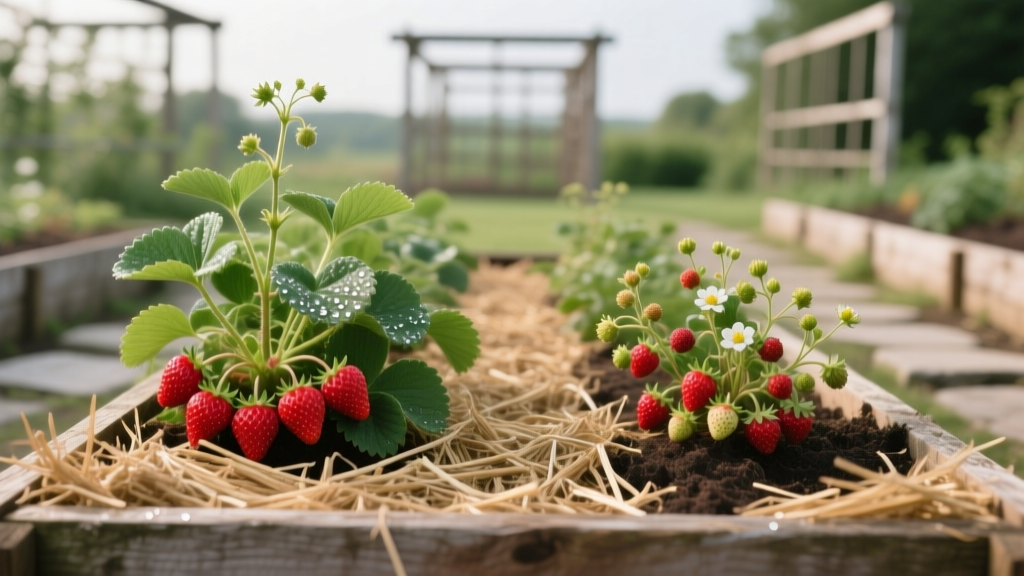
Strawberry Mulching 2026: June-Bearing vs Everbearing
Emily WatsonPublished
Introduction to Strawberry Mulching in 2026
Growing strawberries is a rewarding endeavor for any home gardener, but the secret to a massive, disease-free harvest often lies beneath the surface. As we move through the 2026 gardening season, mulching remains one of the most critical practices for strawberry cultivation. Mulch regulates soil temperature, suppresses aggressive weeds, retains vital moisture during summer heatwaves, and most importantly, keeps your developing fruit clean and protected from soil-borne pathogens like botrytis and slugs.
However, not all strawberries are created equal, and neither are their mulching requirements. The two primary categories of strawberries grown in home gardens are June-bearing and everbearing (which includes day-neutral varieties). Because their growth habits, fruiting cycles, and bed configurations differ drastically, applying a one-size-fits-all mulching approach can lead to reduced yields, crown rot, or winter kill. In this comprehensive 2026 guide, we will break down the exact mulching methods and materials you need for both June-bearing and everbearing strawberries to ensure a thriving berry patch.
Understanding Your Strawberry Types and Growth Habits
Before selecting your mulch, it is essential to understand how your specific strawberry variety grows. According to the University of Minnesota Extension, matching your cultural practices to the plant's natural growth habit is the foundation of successful berry farming.
June-Bearing Strawberries
June-bearing strawberries produce a single, massive crop over a three-to-four-week period in late spring or early summer. These varieties are vigorous runners and are traditionally grown in a "matted row" system. Because they fruit heavily all at once and then spend the rest of the year establishing roots and buds for the following year, they require mulch that can accommodate wide, sprawling rows and provide heavy winter insulation for the dormant crowns.
Everbearing and Day-Neutral Strawberries
Everbearing and day-neutral strawberries produce fruit continuously or in multiple flushes from late spring all the way to the first hard frost in autumn. They produce fewer runners and are typically grown in a "hill" system or in raised beds and containers. Because they are constantly fruiting and require consistent moisture and nutrient access throughout the entire growing season, their mulching needs focus heavily on long-term weed suppression, moisture retention, and keeping fruit pristine over a six-month harvest window.
Best Mulch Materials for June-Bearing Strawberries
For June-bearing varieties grown in traditional in-ground matted rows, organic, loose mulches are the gold standard. These materials allow the plants to send out runners freely while providing the necessary seasonal protection.
- Clean Wheat Straw: This is the classic, namesake mulch for strawberries. In 2026, premium seed-free wheat straw remains the top choice because it is lightweight, allows for excellent air circulation, and does not mat down heavily when wet. It keeps the berries clean during the spring harvest and serves as an insulating winter blanket.
- Pine Needles (Pine Straw): An excellent alternative if wheat straw is unavailable. Pine needles interlock slightly, preventing them from blowing away in high winds, and they provide a slightly acidic environment that strawberries appreciate. They also deter slugs, which are a major pest for June-bearing crops.
- Shredded Leaves: While free and abundant in autumn, shredded leaves should only be used as a winter protective mulch for June-bearing plants. They must be applied after the ground has frozen to prevent smothering the crowns and harboring rodents. They should be carefully raked aside in early spring to allow the soil to warm and the plants to bloom.
Application Timing: For June-bearing strawberries, mulch is applied in two phases. A light layer (1-2 inches) is maintained during the spring fruiting season to keep berries off the soil. Then, in late autumn after several hard freezes (usually late November to December), a thick 3-to-4-inch layer of straw is applied over the entire row to protect the crowns from freeze-thaw cycles.
Best Mulch Materials for Everbearing Strawberries
Everbearing strawberries require a different strategy. Because they are often planted in dense hill systems or raised beds where runner management is minimal, and because they fruit continuously through the heat of summer, durable, long-lasting mulches are preferred.
- Biodegradable Cellulose Weed Mats: A major trend in 2026 is the use of advanced, biodegradable paper and cellulose weed mats. These mats are laid down before planting, with holes cut for the crowns. They provide 100% weed suppression, retain soil moisture exceptionally well, and break down naturally into the soil by the end of the second season, adding organic matter without the need for removal.
- Landscape Fabric with Drip Irrigation: For permanent raised bed setups, woven landscape fabric paired with subsurface drip irrigation is highly effective. The fabric keeps the everbearing fruit perfectly clean and eliminates the need for constant weeding, which can disturb the shallow root systems of continuous-fruiting plants.
- Pine Bark Fines and Wood Chips: If using loose mulch for everbearing hills, fine pine bark or small wood chips are superior to straw. Straw can harbor fungal spores that thrive in the warm, humid conditions of late summer, potentially infecting the autumn crop of everbearing berries. Wood chips provide a cleaner, more stable surface for the heavy, continuous fruit load.
The Old Farmer's Almanac notes that maintaining consistent soil moisture is critical for everbearing varieties, as any drought stress will immediately halt flower production and reduce the size of the autumn harvest. Therefore, moisture-locking mulches like weed mats and bark fines are vastly superior to straw for these varieties.
Comparison Chart: June-Bearing vs. Everbearing Mulching
| Feature | June-Bearing Strawberries | Everbearing / Day-Neutral Strawberries |
|---|---|---|
| Growth System | Matted Row (In-ground) | Hill System, Raised Beds, Containers |
| Primary Mulch Material | Clean Wheat Straw, Pine Needles | Biodegradable Weed Mats, Pine Bark Fines |
| Spring Application Depth | 1 to 2 inches (around crowns) | 2 to 3 inches (or flush with weed mat) |
| Winter Protection | Heavy (3-4 inches of straw over rows) | Moderate (Frost blankets or light straw) |
| Weed Suppression Need | Moderate (runners outcompete some weeds) | High (bare soil between hills invites weeds) |
| Moisture Retention Focus | High in Spring, Moderate in Summer | Critical all season (Spring through Fall) |
2026 Innovations in Strawberry Mulching
The gardening industry has seen significant advancements in mulching technology this year. One of the most exciting developments for 2026 is the widespread availability of reflective mulches for everbearing strawberries. Silver or white reflective plastic mulches are now being used by advanced home gardeners to lower soil temperatures during peak summer heat. By keeping the root zone cool, reflective mulches prevent the heat-stress dormancy that often causes everbearing strawberries to stop producing in July and August, ensuring a seamless transition into the autumn harvest.
Additionally, research from Penn State Extension continues to highlight the importance of avoiding hay (which is full of weed seeds) and using only certified seed-free straw or alternative organic matter. In 2026, many commercial suppliers now offer UV-treated, compressed straw bales that expand with water, making transport and application significantly easier for urban and suburban gardeners with limited storage space.
Step-by-Step Mulching Application Guide
Regardless of the variety you are growing, proper application is just as important as material selection. Follow these steps for optimal results:
- Prepare the Bed: Before applying any mulch, ensure the strawberry bed is completely free of existing weeds. Hand-pull any taproots, as mulch will not smother established perennial weeds.
- Fertilize and Water: Apply your chosen 2026 seasonal fertilizer and water the bed deeply. Mulch should always be applied to moist soil to lock in the hydration.
- Apply the Mulch: For June-bearing plants, gently tuck the straw under the foliage, ensuring the central crown is not buried. Burying the crown will cause rot. For everbearing plants in hills, apply bark fines or lay your weed mat, cutting precise X-slits for the crowns to breathe.
- Maintain and Refresh: Throughout the summer, check the mulch depth. Organic materials like straw and leaves will decompose and settle. Fluff the mulch occasionally and add a thin top-dressing in mid-summer if the soil becomes visible.
- Winterize: After the first hard freezes in late autumn, apply the heavy winter mulch layer for June-bearing varieties to prevent frost heaving, which can snap the delicate strawberry roots and expose the crowns to lethal freezing air.
Conclusion
Mastering the art of mulching is the difference between a struggling strawberry patch and a prolific, multi-year berry haven. By recognizing the distinct needs of your plants—using breathable, insulating straw for the sprawling matted rows of June-bearing varieties, and deploying durable, moisture-locking weed mats or bark fines for the continuous production of everbearing hills—you set the stage for success. As you plan your 2026 garden, invest in high-quality, seed-free mulching materials, and your strawberry harvest will be cleaner, sweeter, and more abundant than ever before.
