Gardening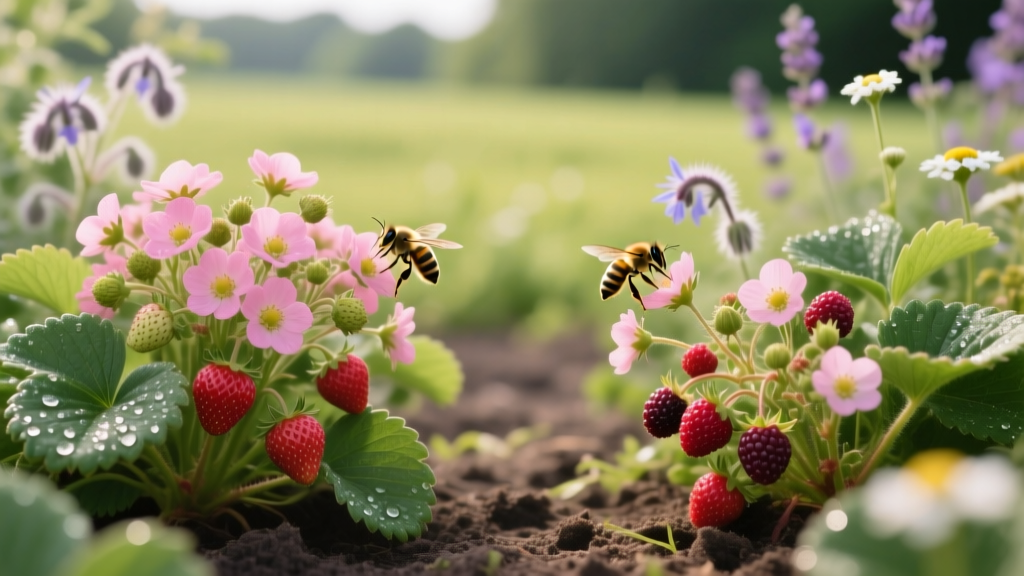
June-Bearing vs Everbearing Strawberries: 2026 Pollinator Guide
James MillerPublished
Designing a Pollinator-Friendly Strawberry Patch in 2026
As home gardeners increasingly prioritize ecological balance, the 2026 gardening season has seen a massive shift toward pollinator-friendly garden design. While ornamental flowers often steal the spotlight, edible crops like strawberries (Fragaria × ananassa) are unsung heroes of the pollinator garden. Their open, shallow blossoms provide highly accessible nectar and pollen for a wide variety of native bees, honeybees, and beneficial hoverflies. However, when planning your garden layout, you must choose between two primary growth habits: June-bearing and everbearing (day-neutral) varieties. Understanding how these distinct types bloom and interact with local ecosystems is crucial for maximizing both your berry harvest and your garden's ecological impact.
The Pollinator Value of Strawberry Blossoms
Before diving into the differences between varieties, it is essential to understand why strawberries are so valuable to pollinators. Unlike complex, tubular flowers that require specific tongue lengths to access nectar, strawberry blossoms are wide open. This makes them an excellent foraging resource for a vast array of pollinators, including small native sweat bees, syrphid flies, and honeybees. According to the Xerces Society for Invertebrate Conservation, incorporating diverse, accessible floral resources into agricultural and home garden spaces is one of the most effective ways to support declining native bee populations. By strategically selecting your strawberry types, you can manipulate the bloom windows in your garden to provide critical forage during specific seasonal gaps.
June-Bearing Strawberries: A Spring Floral Explosion
June-bearing strawberries are short-day plants that initiate flower buds in the fall when daylight hours decrease and temperatures drop. These buds remain dormant through winter and burst into a massive, concentrated floral display in mid-to-late spring. From a pollinator-friendly garden design perspective, June-bearing varieties act as a vital spring banquet. Early-emerging native bees, such as mason bees (Osmia species) and mining bees (Andrena species), rely heavily on abundant spring nectar and pollen to provision their nests and rear their young. A large patch of June-bearing strawberries can provide the sheer volume of floral resources these spring specialists need to thrive. Furthermore, the concentrated bloom period makes it easier for gardeners to manage pest control before and after flowering, minimizing the risk of accidentally harming foraging pollinators.
Everbearing and Day-Neutral: The Summer-to-Fall Forage Bridge
Everbearing and day-neutral strawberries are often grouped together, though day-neutral varieties (a more modern, reliable subset of everbearers) produce fruit and flowers continuously regardless of day length, provided temperatures remain between 35°F and 85°F. Instead of one massive spring flush, these plants produce intermittent waves of blooms from late spring all the way through the first frost. For pollinator garden design in 2026, everbearing varieties serve as a crucial 'forage bridge.' Late summer and early autumn can be notoriously difficult times for pollinators, as many spring-blooming native plants have gone to seed and summer heat can stress ornamental flowers. Everbearing strawberries provide a steady, reliable trickle of nectar and pollen during this critical late-season window, supporting late-flying bumblebee queens preparing for hibernation and migrating butterflies.
Comparing the Varieties: Yield, Bloom, and Ecology
To help you decide which type best fits your 2026 garden layout, review the comparison table below. Many experienced ecological gardeners choose to plant both types to ensure continuous floral availability.
| Feature | June-Bearing | Everbearing / Day-Neutral |
|---|---|---|
| Bloom Window | Concentrated (2-3 weeks in spring) | Continuous waves (Spring through Fall) |
| Pollinator Impact | High volume spring forage for nesting bees | Crucial late-season forage bridge |
| Fruit Yield | Large, single harvest | Smaller, steady harvests |
| Runner Production | High (creates dense matted rows) | Low to moderate |
| Garden Footprint | Requires more space for matted rows | Ideal for raised beds and containers |
Top 2026 Variety Recommendations for Pollinator Gardens
Best June-Bearing Varieties
- 'Earliglow': One of the earliest to bloom, providing critical early-spring forage when few other flowers are open. The fruit is exceptionally sweet, and the vigorous runner production creates excellent ground cover.
- 'Allstar': A reliable mid-season bloomer with large, open flowers that are highly attractive to honeybees. It shows strong disease resistance, reducing the need for disruptive garden interventions.
- 'Jewel': A late-season June-bearer that extends the spring bloom window, ensuring that late-emerging native bees have access to high-quality pollen.
Best Everbearing / Day-Neutral Varieties
- 'Albion': The gold standard for day-neutral strawberries in 2026. It produces high-quality, firm berries and continuous blooms that sustain late-summer pollinators. It is highly resistant to verticillium wilt.
- 'Seascape': Known for its heat tolerance, 'Seascape' continues to bloom and produce nectar even during the peak of summer when other plants may pause due to heat stress.
- 'San Andreas': An exceptional variety with high yields and continuous flowering, perfect for integrating into the edges of pollinator borders or raised beds.
Companion Planting for Pollinator Synergy
To supercharge the ecological value of your strawberry patch, companion planting is essential. The University of Minnesota Extension notes that diverse plantings reduce pest pressure and attract beneficial insects. Interplanting your strawberries with specific pollinator-friendly companions creates a multi-layered habitat.
- Borage (Borago officinalis): Borage is a pollinator magnet. Its star-shaped blue flowers refill their nectar incredibly fast, providing constant energy foraging bees. Plant borage at the corners of your strawberry beds to draw pollinators directly to your berry blossoms.
- Sweet Alyssum (Lobularia maritima): This low-growing annual acts as a living mulch, suppressing weeds while attracting syrphid flies. The larvae of these flies are voracious predators of aphids, providing natural pest control without the need for chemical sprays.
- Creeping Thyme (Thymus serpyllum): Plant thyme along the sun-baked edges of your raised beds or pathways. It tolerates light foot traffic, provides additional nectar, and its dense mat helps retain soil moisture without competing aggressively with strawberry roots.
Soil Preparation and Mulching for Ground-Nesting Bees
A truly pollinator-friendly garden design in 2026 goes beyond just providing flowers; it must also provide nesting habitats. According to the USDA Natural Resources Conservation Service, approximately 70% of native bee species are ground-nesters that burrow into bare or sparsely vegetated soil. Commercial strawberry operations often use black plastic mulch to suppress weeds and warm the soil, but this is disastrous for ground-nesting bees as it creates an impenetrable barrier.
Instead of plastic, use organic mulches like weed-free straw or shredded leaves. More importantly, leave strategic patches of bare, well-draining, south-facing soil undisturbed near your garden beds. By avoiding heavy tilling and eliminating plastic mulch, you allow native mining bees and sweat bees to establish their nests right alongside your strawberry patch, creating a closed-loop ecological system where the pollinators live exactly where they forage.
Safe Pest Management During Bloom
Strawberries are susceptible to pests like the tarnished plant bug and strawberry sap beetle. In a pollinator-first garden, managing these pests requires careful timing and organic methods. Never apply broad-spectrum organic pesticides, such as Spinosad or neem oil, while the strawberry blossoms are open. Even organic sprays can be highly toxic to bees on contact. Instead, utilize physical barriers like floating row covers during the vegetative growth stages before the plants flower. Once the first flower buds open, immediately remove the covers to allow pollinators full access to the blossoms. Hand-picking damaged fruit and maintaining rigorous garden hygiene will keep pest populations manageable without risking the health of your vital pollinator partners.
Conclusion
Whether you opt for the massive spring floral display of June-bearing varieties or the continuous late-season forage provided by everbearing types, strawberries are a powerhouse addition to any pollinator-friendly garden. By thoughtfully selecting your varieties, integrating companion plants, and designing your soil and mulching practices to support ground-nesting bees, your 2026 strawberry patch will yield not only delicious, homegrown fruit but also a thriving sanctuary for essential local pollinators.
