Lawn Care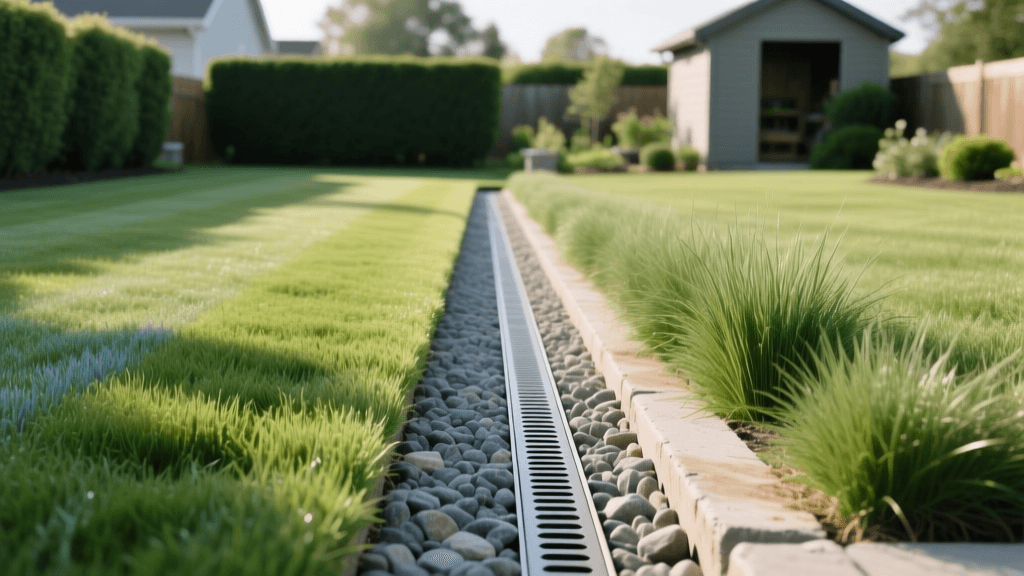
2026 Mowing Heights: Kentucky Bluegrass vs Tall Fescue & Drains
The Intersection of Lawn Drainage and Precision Mowing in 2026
Achieving the perfect lawn in 2026 requires more than just a premium mower and a strict fertilization schedule; it demands a foundational understanding of soil hydrology and turfgrass agronomy. For homeowners managing cool-season lawns, the debate over mowing height settings for Kentucky bluegrass vs tall fescue is a constant topic of discussion. However, even the most meticulously calibrated mower deck settings are rendered useless if your yard suffers from poor drainage. When soil becomes waterlogged, maintaining the precise cutting heights required for these specific grass species becomes virtually impossible. This is where the strategic integration of French drain installation becomes a critical component of your overall lawn care routine. By addressing subsurface water accumulation, you create the stable, firm soil profile necessary to execute proper mowing techniques without tearing the turf or compacting the earth.
Why Soggy Soil Ruins Mowing Height Settings
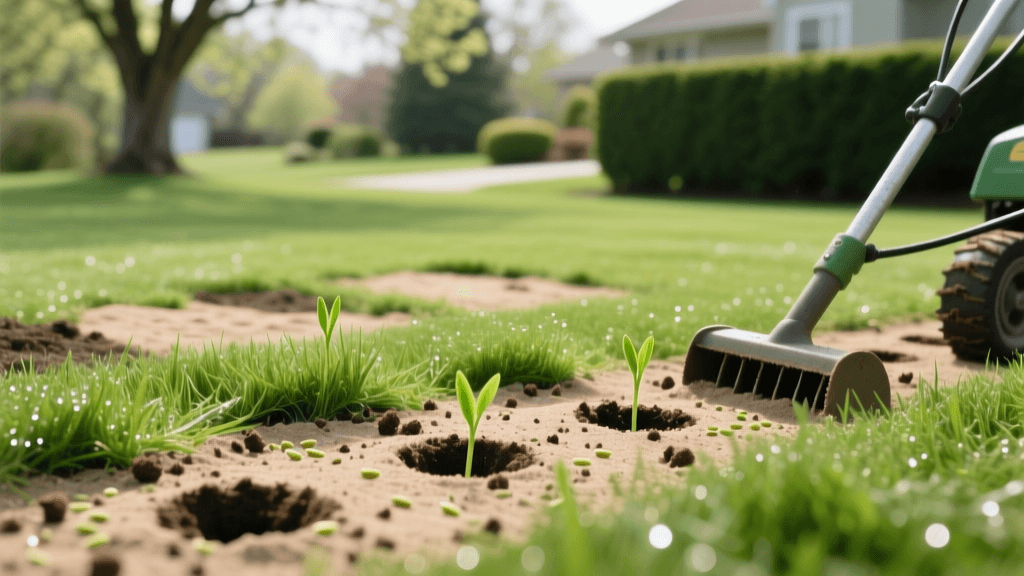
Before diving into the specific agronomic requirements of Kentucky bluegrass and tall fescue, we must address the physical mechanics of mowing a saturated lawn. When your yard lacks proper subsurface drainage, the soil profile becomes soft and spongy. As you push a walk-behind mower or drive a heavy zero-turn riding mower across this saturated ground, the wheels sink into the turf. This sinking effect artificially lowers the mower deck relative to the soil surface, resulting in severe scalping. Scalping removes not just the grass blade, but the vital crown of the plant, exposing the soil to weed seeds and rapid moisture evaporation.
Furthermore, wet grass blades are notoriously difficult to cut cleanly. Instead of a sharp slice, the mower blades tend to tear and shred the waterlogged tissue. These jagged, torn edges turn brown within hours and provide an open gateway for fungal pathogens like brown patch and dollar spot. By investing in professional-grade French drain installation, you intercept the rising water table and divert hydrostatic pressure away from the root zone. This ensures the soil remains firm enough to support the weight of your equipment, allowing you to maintain the exact mowing height settings for Kentucky bluegrass vs tall fescue without causing collateral damage to the turf structure.
2026 Mowing Height Settings for Kentucky Bluegrass
Kentucky bluegrass (Poa pratensis) is a premium, rhizomatous cool-season grass prized for its dense, carpet-like appearance and aggressive lateral spread. Because it spreads via underground stems called rhizomes, it requires specific mowing heights to encourage lateral growth while protecting the shallow root system from environmental stress. According to turfgrass researchers at Penn State Extension, the optimal mowing height for Kentucky bluegrass during the cool, rapid-growth periods of spring and early fall is between 2.5 and 3.5 inches.
However, as we move into the heat and drought stress of mid-summer in 2026, those settings must be adjusted. Raising your mower deck to 3.5 or even 4.0 inches during July and August is crucial. This taller canopy shades the soil surface, reducing moisture evaporation and keeping the root zone significantly cooler. If your lawn is prone to pooling water during spring thaws, a French drain is essential; otherwise, the soil remains too soft to support the mower at these precise heights, and you risk tearing the shallow rhizomes that give Kentucky bluegrass its renowned density.
2026 Mowing Height Settings for Tall Fescue
Tall fescue (Festuca arundinacea) presents a completely different architectural profile. Unlike the spreading nature of Kentucky bluegrass, tall fescue is a bunch-type grass that relies on deep, extensive root systems to access water and nutrients. Modern turf-type tall fescue varieties introduced for the 2026 planting season are incredibly resilient, but they demand a higher baseline mowing height to sustain their deep rooting capabilities. Agronomists at Penn State Extension recommend maintaining tall fescue at a minimum height of 3.0 inches, with an ideal range of 3.5 to 4.0 inches year-round.
Cutting tall fescue below 3.0 inches severely stunts its root growth and opens the canopy to aggressive summer weeds like crabgrass. While tall fescue is highly drought-tolerant, it is surprisingly vulnerable to crown rot if left sitting in stagnant water. This paradox makes French drain installation a vital partner to your mowing routine. By ensuring rapid water evacuation through a gravel-filled trench system, you protect the tall fescue crown from rot, allowing the soil to dry sufficiently so you can safely mow at the required 4-inch height without the mower tires sinking and scalping the bunchgrass.
Comparison Chart: Kentucky Bluegrass vs. Tall Fescue
| Feature | Kentucky Bluegrass (KBG) | Tall Fescue |
|---|---|---|
| Optimal Spring/Fall Height | 2.5 - 3.5 inches | 3.0 - 4.0 inches |
| Optimal Summer Height | 3.5 - 4.0 inches | 3.5 - 4.5 inches |
| Growth Habit | Rhizomatous (Spreading) | Bunch-type (Clumping) |
| Root Depth Potential | Shallow to Moderate | Deep to Very Deep |
| Drainage Tolerance | Poor (Prone to shallow rot) | Moderate (Prone to crown rot) |
| Mower Deck Requirement | Standard High-Lift Blade | Mulching or High-Lift Blade |
French Drain Installation: Reclaiming Your Lawn's Profile
To achieve the precise mowing height settings for Kentucky bluegrass vs tall fescue, you must first guarantee a firm, well-drained subgrade. French drain installation is the most effective method for correcting chronically wet lawn zones. A properly installed French drain intercepts subsurface water and channels it away from the property, lowering the water table and firming up the topsoil.
Trenching and Pipe Placement
The installation process begins with mapping the natural flow of water across your property. You will need to dig a trench approximately 12 to 18 inches deep and 6 to 8 inches wide through the affected lawn areas. The trench must maintain a consistent downward slope of at least 1 inch per 10 linear feet to ensure gravity-driven flow. Once the trench is excavated, line it with a high-quality, non-woven geotextile filter fabric. This fabric is crucial; it prevents fine soil particles from migrating into the gravel and clogging the system over time.
Gravel, Piping, and Turf Restoration
Place a base layer of washed, 3/4-inch crushed gravel into the trench. Next, lay a 4-inch perforated PVC or rigid corrugated drain pipe with the perforations facing downward. This orientation allows water to enter the pipe from the bottom up, preventing sediment from washing directly into the holes. Cover the pipe with more washed gravel until you are within 3 inches of the surface grade. Fold the excess filter fabric over the gravel to create a protective envelope. Finally, backfill the remaining 3 inches with premium topsoil and lay down fresh Kentucky bluegrass sod or tall fescue seed. Within a few weeks, the turf will knit together, and the ground will be stable enough to support your mower at the exact heights required for your specific grass type.
Post-Drainage Mowing Recovery Protocol
Once your French drain installation is complete and the new turf over the trench line has established, you must carefully transition your mowing practices. If the grass in the previously waterlogged areas has grown excessively tall due to delayed mowing, do not attempt to chop it down to the ideal 3-inch or 4-inch height in a single pass. The experts at the University of Minnesota Turfgrass Science program emphasize the universal 'one-third rule': never remove more than one-third of the total grass blade height in a single mowing session.
If your tall fescue is currently sitting at 6 inches, lower your mower deck to 4 inches for the first pass. Wait two or three days, then lower the deck to your target 3.5 inches. This gradual reduction prevents shock to the plant's photosynthetic engine and allows the root system to adjust. Because the French drain is now actively evacuating excess moisture, your mower wheels will remain on the surface, ensuring a clean, even cut that promotes vigorous, healthy growth throughout the 2026 season.
Conclusion
Mastering the nuances of lawn care requires looking at the yard as an interconnected ecosystem. The ongoing comparison of mowing height settings for Kentucky bluegrass vs tall fescue is fundamentally tied to the physical condition of the soil beneath your feet. You cannot maintain a pristine 3-inch Kentucky bluegrass lawn or a robust 4-inch tall fescue turf if your mower is sinking into a swamp. By prioritizing French drain installation to solve underlying hydrology issues, you unlock the true potential of your cool-season grasses. In 2026, combine smart water management with precision mowing to cultivate a lawn that is as resilient as it is beautiful.