Pest Control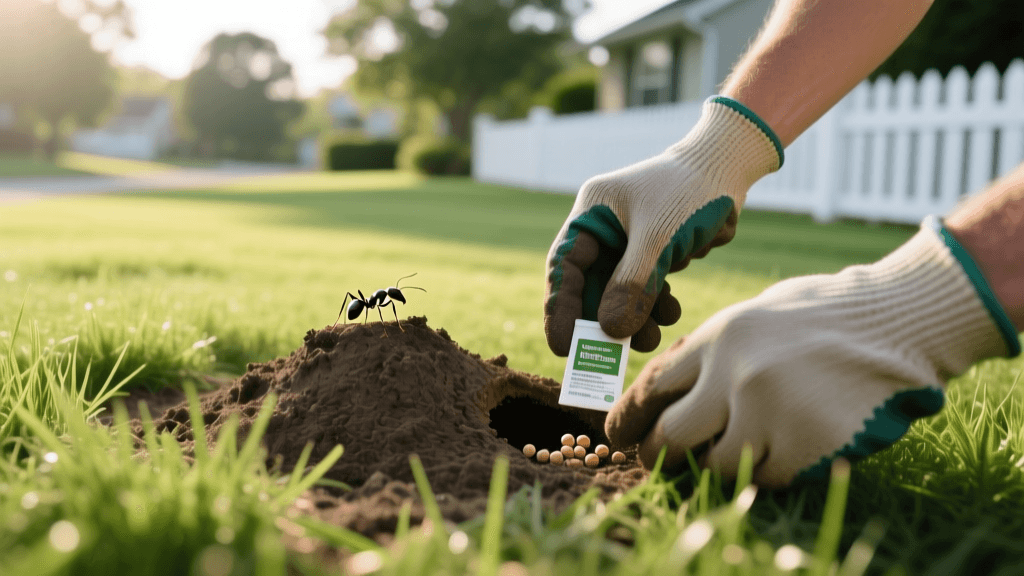
The Ultimate Guide to Killing Fire Ants in Your Lawn
Introduction to Fire Ant Management
Fire ants (Solenopsis invicta) are among the most aggressive and destructive pests found in Southern lawns. Known for their painful, venomous stings and large, unsightly dirt mounds, these invasive insects can quickly turn a beautiful yard into a hazardous zone. Unlike native ant species that play a beneficial role in the ecosystem, imported fire ants have no natural predators in the United States, allowing their colonies to explode in size and number. A single mature colony can contain hundreds of thousands of workers and multiple queens, making eradication a significant challenge for homeowners.
If you are dealing with a fire ant infestation, generic ant sprays from the hardware store will not solve the problem. In fact, disturbing a mound with a standard contact spray often causes the colony to split and form satellite mounds, worsening the infestation. To achieve long-term control, lawn care professionals and entomologists recommend a strategic, science-backed approach. This practical how-to guide will walk you through the industry-standard "Two-Step Method" for eliminating fire ants, complete with product recommendations, application rates, cost estimates, and organic alternatives.
Understanding Fire Ant Biology and Behavior
Before applying any treatment, it is crucial to understand how fire ants operate. A fire ant colony is a highly organized superorganism centered around the queen. A single queen can lay up to 800 eggs per day, and a mature colony can house up to 500,000 worker ants. The workers are responsible for foraging, defending the colony, and tending to the brood (eggs, larvae, and pupae).
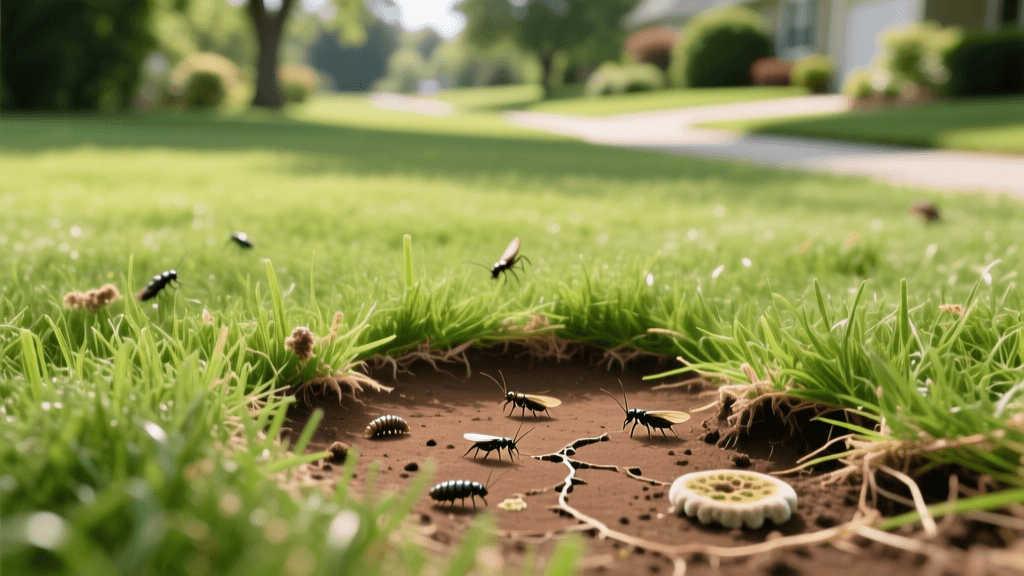
The visible dirt mound is merely the tip of the iceberg. The majority of the colony, including the queen and the brood, resides in a complex network of underground tunnels that can extend several feet into the soil. Because the queen rarely surfaces, surface-level treatments that only kill the foraging workers will fail to eradicate the colony. The queen will simply continue to lay eggs, and the colony will rebound within a few weeks. Therefore, any successful fire ant control program must deliver a lethal dose to the queen deep within the subterranean galleries.
The Proven "Two-Step Method" for Fire Ant Control
According to the Texas A&M AgriLife Extension Fire Ant Project, the most effective and economical way to manage fire ants over a large area is the Two-Step Method. This strategy combines a broadcast bait application to suppress the overall population with targeted mound treatments to eliminate immediate threats.
Step 1: Broadcast Bait Application
The first step involves broadcasting a slow-acting insecticide bait across your entire lawn. Fire ants are scavengers that forage for food along established pheromone trails. When they encounter the bait—which is typically a mixture of soybean oil, a corn grit carrier, and a slow-acting active ingredient—they mistake it for food and carry it back to the colony. The bait is then shared with the rest of the colony, including the larvae and the queen, through a process called trophallaxis.
- Recommended Active Ingredients: Hydramethylnon (e.g., Amdro Fire Strike), Spinosad (e.g., Ortho Ecosense Fire Ant Bait for organic control), or Pyriproxyfen (an insect growth regulator that sterilizes the queen).
- Application Rate: Typically 1 to 1.5 pounds per acre. For a standard 5,000-square-foot lawn, this equates to roughly 1.5 to 2 ounces of bait.
- Cost: $15 to $30 per acre, making it highly cost-effective for large properties.
- Timing: Apply in the late afternoon or early evening when fire ants are actively foraging. Avoid applying if rain is expected within 24 to 48 hours, as moisture ruins the bait.
Step 2: Individual Mound Treatment
While broadcast baits are excellent for long-term population suppression, they take time to work—usually between 2 to 6 weeks depending on the active ingredient. If you have mounds located in high-traffic areas, near children's playsets, or close to your home's foundation, you need immediate relief. Step 2 involves treating individual, problematic mounds with a fast-acting contact insecticide.
- Recommended Active Ingredients: Bifenthrin (e.g., Talstar P), Lambda-cyhalothrin (e.g., Spectracide Triazicide), or Acephate (e.g., Orthene PCO).
- Application Method: Liquid drenching is generally preferred over dusting. A liquid drench involves mixing the insecticide with water and pouring 1 to 2 gallons directly onto the mound, allowing it to soak deep into the tunnels.
- Cost: $5 to $15 per mound, depending on the product and the size of the colony.
- Timing: Wait at least 3 to 5 days after your broadcast bait application before drenching individual mounds. This ensures the ants have had enough time to distribute the bait throughout the colony before you disrupt them with a contact killer.
Fire Ant Treatment Comparison Chart
Choosing the right product depends on your budget, your tolerance for chemical use, and how quickly you need results. The table below compares the most common fire ant control methods available to homeowners.
| Treatment Method | Active Ingredient | Speed of Control | Est. Cost | Environmental Impact |
|---|---|---|---|---|
| Broadcast Bait (Synthetic) | Hydramethylnon | 2 to 4 weeks | $15 - $25 / acre | Low (Targeted to foraging ants) |
| Broadcast Bait (Organic) | Spinosad | 3 to 8 weeks | $30 - $50 / acre | Very Low (OMRI Listed options) |
| Liquid Mound Drench | Bifenthrin | Minutes to Hours | $5 - $10 / mound | Moderate (Toxic to aquatic life) |
| Mound Dust / Granule | Acephate | Hours to Days | $3 - $8 / mound | High (Highly toxic to bees) |
| Boiling Water (Organic) | N/A (Thermal) | Immediate | $0 (Utility costs) | Very Low (Will kill surrounding grass) |
Step-by-Step Application Guide for Homeowners
To ensure maximum efficacy and protect your lawn's health, follow this detailed application protocol:
- Test for Foraging Activity: Before applying bait, place a small piece of hotdog or a potato chip near a fire ant mound. Wait 15 to 30 minutes. If the ants are actively swarming the food, they are foraging, and it is the perfect time to apply bait.
- Calibrate Your Spreader: Fire ant baits are applied at very low rates. Using a standard fertilizer setting will dispense far too much product. Consult the bait manufacturer's label for the exact spreader setting. If using a handheld rotary spreader, walk at a steady pace and keep the spreader moving to avoid dumping concentrated piles of bait, which can harm pets or turf.
- Apply Broadcast Bait: Apply the bait evenly across the entire lawn, not just around the visible mounds. Fire ants forage up to 100 feet away from their nests in search of food.
- Wait and Monitor: Allow 3 to 7 days for the bait to be distributed deep into the colony. Do not water your lawn or disturb the mounds during this period.
- Drench Target Mounds: Mix your liquid contact insecticide according to the label instructions. Using a watering can or a pump sprayer with the nozzle removed, pour 1 to 2 gallons of the mixture directly over the targeted mound, starting from the outer edge and working your way inward to prevent the ants from escaping.
Organic and Pet-Safe Alternatives
For homeowners with pets, children, or organic gardens, synthetic pyrethroids and hydramethylnon may not be desirable. The Environmental Protection Agency (EPA) notes that integrated pest management (IPM) strategies can effectively reduce ant populations using lower-risk methods.
Spinosad Baits: Derived from a soil-dwelling bacterium, Spinosad is highly effective against fire ants and is approved for organic gardening. It works slightly slower than synthetic baits but is exceptionally safe for mammals once the bait has been carried underground.
Beneficial Nematodes: Applying Steinernema or Heterorhabditis nematodes to your lawn introduces microscopic worms that seek out and infect fire ant larvae and queens. While not an instant fix, annual nematode applications can significantly suppress colony growth over time without harming earthworms or beneficial insects.
Boiling Water: Pouring 2 to 3 gallons of boiling water directly onto a mound will kill the colony on contact. However, this method is labor-intensive, dangerous to carry across the yard, and will instantly sterilize the soil and kill the turfgrass directly above the mound, leaving a dead patch that will require reseeding or sodding.
Safety Precautions and Best Practices
When handling any pesticide, safety must be your top priority. Always wear chemical-resistant gloves, long sleeves, and closed-toe shoes when mixing and applying liquid drenches. Keep pets and children off the treated lawn until the liquid drench has completely dried into the soil, which typically takes 2 to 4 hours.
Furthermore, be mindful of pollinators. Avoid applying dust formulations like Acephate near blooming weeds or flowers, as foraging bees can pick up the toxic dust and carry it back to their hives. Liquid drenches and targeted baits are vastly superior for protecting local pollinator populations. Finally, always read and follow the manufacturer's label instructions. The label is the law, and it contains vital information regarding application rates, first-aid measures, and environmental hazards.
Pro Tip: Fire ants are most active in the spring and fall when soil temperatures are between 70°F and 85°F. During the peak heat of summer, colonies dig deeper into the soil to escape the heat, making surface baits and drenches less effective. Plan your major Two-Step Method applications for mid-April and late September for the best results.
Conclusion
Eradicating fire ants requires patience, consistency, and the right strategy. By abandoning quick-fix aerosol sprays and adopting the Two-Step Method, you can reclaim your lawn from these aggressive invaders. Broadcast baits will systematically collapse the colony from the inside out by targeting the queen, while targeted liquid drenches provide the immediate relief needed for high-traffic areas. Whether you choose synthetic chemistry or organic alternatives like Spinosad, consistent seasonal maintenance is the key to keeping your yard safe, beautiful, and sting-free year-round.