Pest Control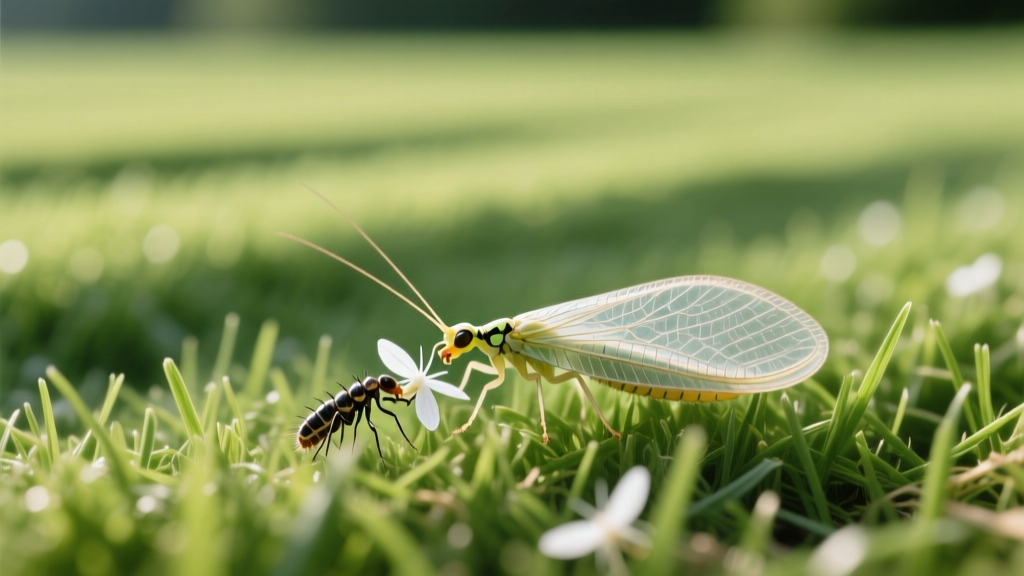
2026 Lacewing Larvae Rates For Whitefly Control In Striped Lawns
Lisa ThompsonPublished
The Intersection of Lawn Striping and Pest Management in 2026
Creating breathtaking lawn stripes and intricate aesthetic patterns is an art form that requires more than just a quality mower and a striping kit. It demands a canvas of exceptionally healthy, vibrant turf. In 2026, the most meticulous lawn care enthusiasts understand that the visual contrast of a perfectly striped lawn is entirely dependent on the health of the grass blades and the surrounding ornamental borders. However, a hidden enemy often lurks in the garden beds and warm-season turf edges: the whitefly.
Whiteflies are notorious for devastating ornamental plants and certain turfgrasses, leading to yellowing leaves, stunted growth, and the secretion of honeydew. This honeydew attracts sooty mold, which turns your pristine green canvas into a dull, blackened mess. When you are trying to achieve high-contrast aesthetic patterns, sooty mold is your worst nightmare because it absorbs light rather than reflecting it, completely ruining the optical illusion of lawn striping. To combat this without resorting to harsh chemicals that can burn the grass and ruin your aesthetic, green lacewing larvae have emerged as the premier biological control solution.
The Science of the Stripe: Why Whiteflies Ruin the Contrast
To understand why lacewing larvae application rates are so critical for lawn aesthetics, we must first look at the physics of lawn striping. Striping works by bending grass blades in opposite directions. The grass bent away from you reflects more sunlight, appearing lighter, while the grass bent toward you absorbs more light, appearing darker. This interplay of light creates the stunning checkerboards, diamonds, and waves seen on professional sports fields and high-end residential lawns.
When whiteflies infest the ornamental borders surrounding your lawn—or the turf itself, particularly in St. Augustine and Zoysia grasses during the humid summer months of 2026—they excrete a sticky substance called honeydew. According to the University of California Statewide Integrated Pest Management Program, this honeydew serves as a breeding ground for sooty mold fungi. The black, powdery sooty mold coats the grass blades and nearby hedges. Because black absorbs light, the grass blades lose their ability to reflect sunlight efficiently. The result is a muddy, low-contrast lawn where your carefully crafted aesthetic patterns simply vanish into a dull, grayish-green haze.
Why Green Lacewing Larvae are the Ultimate 2026 Solution
Chemical insecticides can certainly kill whiteflies, but they often come with phytotoxic side effects that can scorch the tips of your grass blades, immediately degrading the crisp lines of your lawn stripes. Furthermore, broad-spectrum chemicals kill the beneficial insects that keep your garden ecosystem balanced.
Enter the green lacewing larvae (Chrysoperla rufilabris and Chrysoperla carnea). Often referred to as 'aphid lions,' these voracious predators are equally devastating to whitefly nymphs and eggs. The United States Environmental Protection Agency highlights biological pest control as a cornerstone of safe, sustainable landscape management. Lacewing larvae inject a paralyzing venom into their prey and consume them rapidly, clearing the honeydew-producing whiteflies from your landscape within days. By eliminating the whiteflies, the honeydew supply dries up, the sooty mold eventually flakes off or is washed away by irrigation, and the natural light-reflecting properties of your grass are restored.
2026 Lacewing Larvae Application Rates for Whitefly Management
Applying lacewing larvae requires precision. Under-applying will fail to suppress the whitefly population, allowing sooty mold to continue ruining your lawn stripes. Over-applying is a waste of your landscaping budget. In 2026, commercial suppliers like Arbico Organics and Beneficial Insectary ship lacewing larvae in specialized inert carriers that can be distributed evenly across turf edges and ornamental beds.
Below is the definitive 2026 application rate chart based on infestation severity. These rates are specifically calibrated for the transition zones between ornamental garden beds (where whiteflies breed) and the turfgrass (where they migrate and cause aesthetic damage).
| Infestation Level | Larvae per Sq Ft | Total for 500 Sq Ft Border | Est. 2026 Cost (USD) |
|---|---|---|---|
| Preventative / Low | 1 - 2 Larvae | 500 - 1,000 | $35 - $50 |
| Moderate (Visible Honeydew) | 3 - 5 Larvae | 1,500 - 2,500 | $75 - $110 |
| High (Heavy Sooty Mold) | 5 - 10 Larvae | 2,500 - 5,000 | $120 - $180 |
Pro Tip for Aesthetic Lawns: Focus your applications heavily on the 'strike zones'—the first 3 to 5 feet of ornamental beds immediately adjacent to your striped turf. Whiteflies are weak fliers and usually migrate from host shrubs (like hibiscus, lantana, or privet) onto the nearest grass blades. Treating this perimeter creates a biological firewall that protects the visual integrity of your main lawn.
Step-by-Step Release Guide for Striped Lawns
To ensure the lacewing larvae survive and immediately begin hunting whiteflies, follow this specialized release protocol designed for high-aesthetic landscapes:
- Step 1: Pre-Irrigation. Water your lawn and garden beds thoroughly the morning before release. Lacewing larvae are highly susceptible to desiccation (drying out). A humid microclimate at the soil surface and within the grass canopy increases their survival rate by up to 40%.
- Step 2: Timing the Release. Release the larvae in the late evening or at dusk. This protects them from UV radiation and predatory birds. It also aligns with the natural foraging cycles of whiteflies.
- Step 3: Distribution Method. If you are treating the turf edges, mix the larvae and their carrier (usually buckwheat hulls or corn grits) with a small amount of fine sand. Broadcast the mixture evenly by hand or using a specialized biological spreader over the affected grass and border plants.
- Step 4: Avoid Ant Baits. Ants farm whiteflies for their honeydew and will aggressively attack and kill your lacewing larvae. If you see ant trails near your whitefly colonies, apply a localized, eco-friendly ant bait away from the release zones to protect your biological investment.
Post-Release Mowing and Striping Best Practices
The most common mistake lawn care enthusiasts make is mowing and striping immediately after releasing beneficial insects. The physical weight of a lawn striping kit (the roller attached to the back of your mower) bends the grass aggressively. If lacewing larvae are actively hunting on the lower leaf sheaths, a heavy roller can crush them or dislodge them into the thatch layer, where they will starve.
To maintain your aesthetic patterns without disrupting the biological control cycle, adhere to these 2026 mowing guidelines:
- The 72-Hour Rule: Wait a minimum of 72 hours after releasing lacewing larvae before mowing or using a striping kit. This gives the larvae time to disperse, anchor themselves to the plant tissue, and begin feeding on whitefly nymphs.
- Adjust Your Deck Height: For the first mow after release, raise your mower deck by a quarter-inch. Taller grass provides a better canopy for the larvae to hide and hunt. Fortunately, slightly taller grass also bends more uniformly under a striping kit, yielding deeper, more dramatic contrast lines.
- Manage the Clippings: Do not bag your clippings if you are trying to establish a long-term lacewing population. Leaving the clippings on the lawn (mulching) returns organic matter to the soil and provides a humid overwintering habitat for adult lacewings, ensuring free pest control for the following season.
- Wash the Sooty Mold: Once the whiteflies are eliminated by the larvae, the remaining sooty mold will block your stripes. Use a gentle, oscillating sprinkler to wash the residual black powder off the grass blades and ornamental leaves. Within a week of the whiteflies being gone, the grass will resume its natural, light-reflecting green hue, and your lawn stripes will pop with stunning clarity.
Conclusion
Achieving perfect lawn stripes and intricate aesthetic patterns in 2026 is about much more than just buying the best zero-turn mower. It requires a holistic approach to turf health and pest management. Whiteflies and the subsequent sooty mold they cause are direct threats to the light-reflective properties necessary for beautiful lawn striping. By utilizing the precise lacewing larvae application rates outlined above, you can organically eradicate whiteflies, restore the natural brilliance of your grass, and ensure your landscape remains the envy of the neighborhood. Embrace biological pest control, and let nature help you paint your masterpiece on the lawn.