Pest Control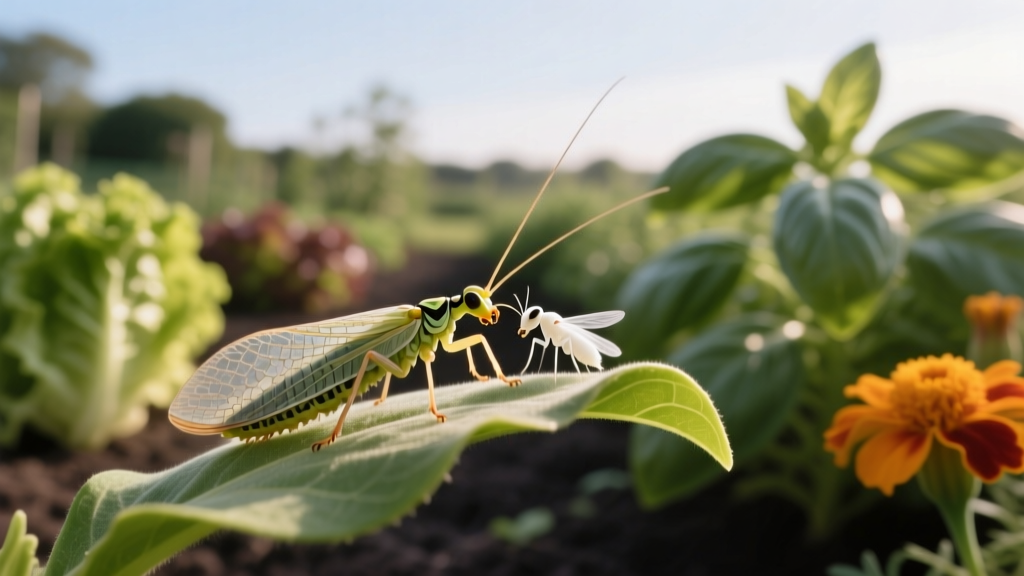
Foodscaping 2026: Lacewing Larvae Rates For Whitefly Control
Mike RodriguezPublished
The Rise of Foodscaping and the Whitefly Challenge in 2026
As we move through 2026, the landscaping paradigm has firmly shifted toward foodscaping—the seamless integration of edible crops into ornamental garden designs. Homeowners and urban farmers are interplanting heirloom tomatoes, vibrant Swiss chard, and dwarf citrus trees alongside traditional ornamentals like hibiscus, lantana, and roses. While this approach maximizes yield and aesthetic appeal, it also creates a complex microenvironment that is highly susceptible to specific sap-sucking pests. Chief among these is the whitefly, particularly the silverleaf whitefly (Bemisia tabaci) and the greenhouse whitefly (Trialeurodes vaporariorum).
Whiteflies are notorious for decimating foodscape staples. They congregate on the undersides of leaves, extracting vital plant sap, stunting growth, and excreting copious amounts of honeydew. This sticky residue not only ruins the visual appeal of your ornamental edibles but also serves as a breeding ground for black sooty mold, which inhibits photosynthesis. Furthermore, whiteflies are prolific vectors for devastating plant viruses, such as the Tomato Yellow Leaf Curl Virus (TYLCV), which remains a significant threat to urban foodscapes in 2026.
Because foodscaping inherently involves growing crops for human consumption, relying on broad-spectrum synthetic chemical pesticides is highly discouraged. Harsh chemicals disrupt the delicate ecological balance of a foodscape, harm essential pollinators like native bees, and require strict pre-harvest intervals (PHI) that complicate continuous harvesting. Instead, modern Integrated Pest Management (IPM) protocols heavily favor biological controls. According to the University of California Agriculture and Natural Resources, deploying natural enemies is the cornerstone of sustainable whitefly management in mixed-use landscapes.
Why Green Lacewing Larvae Are the Ultimate Foodscape Defenders
When addressing whitefly outbreaks in an edible landscape, the green lacewing (Chrysoperla rufilabris and Chrysoperla carnea) is an unparalleled biological control agent. While adult lacewings are delicate, green-winged insects that primarily feed on nectar and pollen, it is their larvae that are the true workhorses of pest management. Often referred to as aphid lions, lacewing larvae are voracious, crawling predators equipped with specialized, sickle-shaped mandibles.
Upon encountering a whitefly nymph or pupa, the larva injects a paralyzing digestive enzyme that liquefies the internal organs of the pest, which the larva then consumes. A single lacewing larva can consume hundreds of soft-bodied insects during its two- to three-week developmental stage. Crucially for foodscapers, lacewing larvae leave zero toxic residue, require no pre-harvest interval, and are entirely safe to use on crops that you intend to harvest and eat the very same day.
2026 Lacewing Larvae Application Rates for Whiteflies
Determining the correct application rate is critical for the success of your biological control program. Under-releasing will fail to suppress the whitefly population, while over-releasing is an unnecessary expense. In 2026, commercial insectaries typically ship lacewing larvae mixed in a carrier medium, such as sterilized corn grits or rice hulls, which protects them during transit and provides a temporary food source to prevent cannibalism.
The following table outlines the recommended application rates based on the severity of the whitefly infestation in your foodscape. These rates are calibrated for the typical 2026 urban garden environment, accounting for overlapping pest generations driven by increasingly warm spring temperatures.
| Infestation Level | Larvae per Sq Ft | Release Frequency | Total per 100 Sq Ft |
|---|---|---|---|
| Light (Early detection, few adults) | 5 to 10 | Single release | 500 to 1,000 |
| Moderate (Visible nymphs, some honeydew) | 10 to 20 | Bi-weekly (2 releases) | 1,000 to 2,000 |
| Heavy (Clouds of adults, heavy sooty mold) | 20 to 30+ | Weekly (3+ releases) | 2,000 to 3,000+ |
For a standard 200-square-foot foodscape bed experiencing a moderate whitefly presence, you would need to purchase approximately 2,000 to 4,000 larvae, split into two separate releases spaced 14 days apart. In 2026, the average market price for 10,000 lacewing larvae ranges from $45 to $65, making this a highly cost-effective solution for residential foodscapes.
Step-by-Step Release Guide for the Edible Landscape
To maximize the survival and predatory efficiency of your lacewing larvae, proper release techniques are essential. Follow these actionable steps to ensure your biological control agents establish successfully in your garden:
1. Prepare the Foliage
Before releasing the larvae, use a strong jet of water to wash off excess honeydew and dislodge adult whiteflies. This reduces the immediate pest pressure and gives the larvae a cleaner surface to hunt on. Ensure the foliage is slightly damp, as lacewing larvae are highly susceptible to desiccation (drying out) in arid conditions.
2. Time the Release Perfectly
Never release lacewing larvae during the heat of the day or in direct, scorching sunlight. UV radiation and high temperatures can quickly kill the larvae. The optimal time for release is early in the morning just after dew forms, or late in the evening as the sun sets and temperatures drop.
3. Distribute the Carrier Medium
Gently rotate the shipping container to evenly distribute the larvae within the corn grit or rice hull carrier. Sprinkle the mixture directly onto the leaves of your infested plants, focusing heavily on the undersides of the leaves where whitefly nymphs congregate. For larger foodscaping trees like dwarf lemons or limes, you can use biodegradable paper sachets that hang on the branches, allowing the larvae to crawl out over several days.
4. Post-Release Environmental Management
Maintain consistent soil moisture and consider using a light overhead misting system for the first 48 hours post-release to maintain high ambient humidity. This dramatically increases larval survival rates during their most vulnerable first instar stage.
Synergistic IPM Strategies for Foodscapes
Biological control does not exist in a vacuum. To create a resilient foodscape in 2026, you must pair lacewing releases with complementary IPM strategies that address the broader ecological web. The Environmental Protection Agency (EPA) emphasizes that successful IPM relies on modifying the environment to favor natural enemies while suppressing pests.
Managing the Ant-Whitefly Mutualism
One of the most common reasons lacewing releases fail is the presence of ants. Ants farm whiteflies, protecting them from predators like lacewing larvae in exchange for the sugary honeydew they produce. If you see ants marching up the stems of your tomatoes or citrus trees, you must intervene. Apply a sticky barrier like Tanglefoot around the base of tree trunks, or use targeted borax-based liquid ant baits placed in protective stations away from your edible crops. Eliminating the ants removes the whiteflies' bodyguards, allowing the lacewing larvae to feed undisturbed.
Companion Planting for Adult Retention
While the larvae do the heavy lifting, you want adult lacewings to remain in your foodscape to lay the next generation of eggs. Adult lacewings require nectar and pollen. Integrate insectary plants into your foodscape design. Sweet alyssum (Lobularia maritima), yarrow (Achillea millefolium), and dill (Anethum graveolens) are excellent choices. Planting a border of sweet alyssum around your tomato beds not only provides a beautiful, fragrant groundcover but also acts as a permanent biological reservoir, ensuring a continuous supply of predatory lacewings.
Strategic Use of Horticultural Oils
If your whitefly infestation is severe enough to warrant immediate knockdown before releasing lacewings, use a mild, organic horticultural oil or insecticidal soap. Spray the affected plants thoroughly, but wait at least 48 to 72 hours before releasing your lacewing larvae. These organic sprays leave no toxic residue, but applying them simultaneously with live beneficials will kill the larvae on contact.
Sourcing and Storing Lacewings in 2026
The supply chain for beneficial insects has become highly sophisticated by 2026. When ordering lacewing larvae online, always choose reputable insectaries that ship via overnight or two-day delivery services. Ensure the shipping schedule avoids weekend transit, as larvae left in unclimate-controlled mail facilities over a weekend will suffer high mortality rates.
Upon arrival, inspect the container immediately. You should see active, tiny, alligator-like larvae crawling among the carrier medium. If you cannot release them immediately due to weather conditions (such as a sudden heavy rainstorm), store the container in a cool, dark place, such as the door of your refrigerator, for no more than 24 hours. Do not freeze them, and keep them away from direct sunlight or heating vents.
Monitoring and Evaluating Success
After releasing the larvae, patience and observation are key. It takes about 7 to 10 days to see a noticeable decline in the whitefly population. Inspect the undersides of your leaves weekly using a 10x jeweler's loupe. Look for the shriveled, blackened husks of whitefly nymphs that have been parasitized or preyed upon. You may also spot the lacewing larvae themselves, which often disguise themselves by carrying the debris of their victims on their backs.
By adhering to these precise application rates and holistic foodscape management techniques, you can effectively eradicate whiteflies without compromising the safety, beauty, or productivity of your edible landscape. Embracing biological controls like the green lacewing ensures that your 2026 foodscape remains a thriving, chemical-free sanctuary for both your family and the local ecosystem.