Pest Control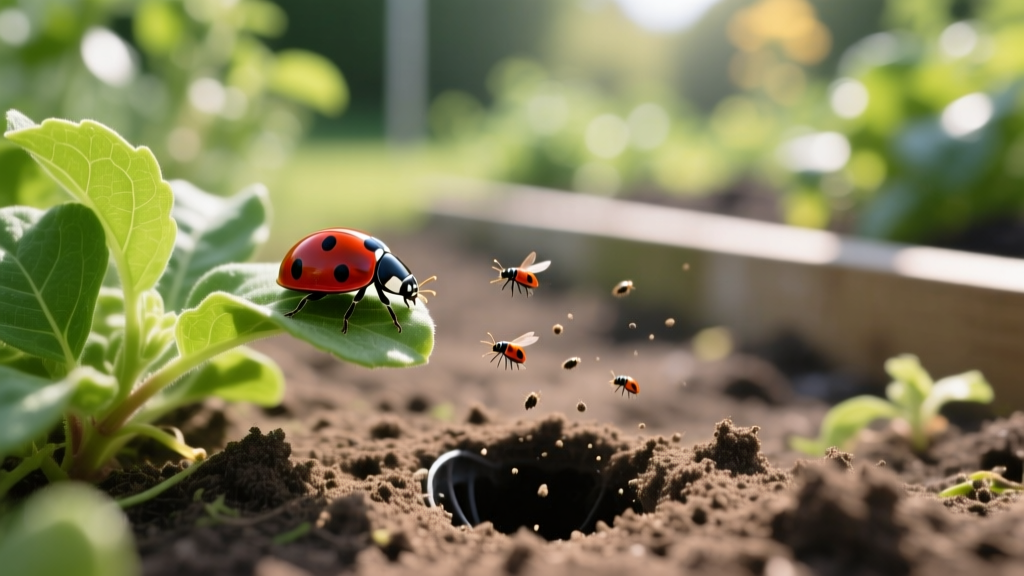
Ladybug Release Timing & Core Aeration For Aphids 2026
David ParkPublished
The 2026 Paradigm Shift: Below-Ground Health Meets Above-Ground Pest Control
As we navigate the 2026 growing season, Integrated Pest Management (IPM) strategies have increasingly highlighted a critical, often overlooked connection: the physical state of your soil directly influences above-ground pest pressures. For gardeners battling aphid infestations in ornamental and vegetable beds, purchasing live ladybugs is only half the battle. The true secret to long-term aphid control lies in the synergistic combination of precise ladybug release timing and strategic core aeration of your garden beds.
Historically, gardeners have treated aphid outbreaks as isolated, above-ground events. However, modern entomological research and soil science confirm that plants grown in compacted, poorly aerated soil are significantly more susceptible to sap-sucking insects. By viewing ladybug releases through the lens of core aeration, you can create a holistic garden ecosystem that not only attracts beneficial predators but actively discourages aphid colonization from the start.
Why Core Aeration is the Missing Link in Aphid Management
Core aeration in garden beds involves relieving soil compaction to improve oxygen flow, water infiltration, and root expansion. While lawn aeration is a common practice, garden bed aeration is frequently neglected. When soil becomes compacted from foot traffic, heavy rains, or repeated tilling, plant roots suffocate. This environmental stress triggers the release of specific volatile organic compounds (VOCs) from the plant's foliage.
Aphids possess highly sensitive chemoreceptors that detect these stress-induced VOCs. Essentially, a compacted, stressed plant acts as a beacon, inviting aphid colonies to colonize. By utilizing a broadfork or a manual core aerator to fracture the soil profile without destroying the soil food web, you promote vigorous root growth. Healthy, unstressed plants are far less attractive to aphids and can better tolerate minor feeding damage while producing natural defensive compounds like salicylic acid.
Furthermore, core aeration directly impacts the life cycle of the ladybug. After their voracious larval stage, many ladybug species drop to the soil surface or seek refuge in the loose topsoil and leaf litter to pupate. Hard, crusted, compacted soil repels them or causes the delicate pupae to desiccate in the sun. Aerated, well-structured soil provides a stable, humid microclimate that ensures the next generation of ladybugs successfully emerges and remains in your garden beds.
The Science of Ladybug Release Timing
Timing your ladybug release is the most common point of failure for home gardeners. If you release ladybugs before an aphid colony is established, they will simply fly away in search of food. If you release them during the heat of a summer afternoon, they will perish from dehydration. According to the University of California Integrated Pest Management (UC IPM) program, biological control agents must be introduced when pest populations reach a specific economic threshold, not when they are entirely absent or completely out of control.
Key Timing Indicators for 2026:
- The Aphid Threshold: Release ladybugs only when you observe 1 to 2 aphids per leaf on multiple plants within the bed. You need a steady food source to anchor the ladybugs to your garden.
- Temperature Parameters: Ideal release temperatures range between 55°F and 75°F. In most temperate zones, this aligns with mid-to-late spring (May through early June).
- Time of Day: Always release at dusk or in the early evening. Ladybugs are diurnal and will not fly in the dark, giving them time to acclimate, find water, and locate aphids before morning.
Synergizing Soil Aeration and Beneficial Insect Releases
To maximize the efficacy of your ladybug release, core aeration should be performed 4 to 6 weeks prior to your anticipated release date. This early spring aeration allows the soil to settle, promotes a flush of healthy, unstressed plant growth, and establishes the loose topsoil structure required for ladybug pupation.
Pro-Tip for 2026: After core aerating your garden beds, apply a thin 1-inch layer of compost or leaf mold. This top-dressing keeps the aeration holes open, feeds the soil microbiome, and creates the perfect humid sanctuary for ladybug larvae to drop and pupate safely.
2026 Step-by-Step Protocol: Aeration, Monitoring, and Release
Follow this integrated timeline to ensure your garden beds are primed for biological pest control.
Step 1: Early Spring Core Aeration (March - April)
Use a 4-tine broadfork or a specialized manual garden coring tool. Insert the tines to a depth of 6 to 8 inches and gently rock the handle back to fracture the subsoil. Do not turn the soil over, as this disrupts beneficial mycorrhizal fungi. Focus on high-traffic areas and the drip lines of your most vulnerable plants, such as roses, brassicas, and milkweed.
Step 2: Pre-Release Hydration (24 Hours Prior)
Ladybugs require immediate access to water upon release. Deeply water your aerated garden beds the day before the release. The aerated soil will absorb the water efficiently, creating a humid microclimate and providing dew-like droplets on the foliage for the ladybugs to drink.
Step 3: Cold Storage Preparation
When your live ladybugs arrive via mail, place the sealed bag in your refrigerator for 12 to 24 hours. This induces a state of torpor, slowing their metabolism and preventing them from immediately taking flight when the bag is opened.
Step 4: The Dusk Release
At sunset, mist the foliage of the infested plants with water. Open the bag and gently scatter the ladybugs at the base of the plants and directly onto the aphid colonies. The combination of dusk, moisture, and aeration-primed soil will encourage them to stay, feed, and eventually pupate in your garden beds.
Ladybug Species Comparison & Soil Requirements
Not all ladybugs interact with the soil in the same way. When ordering beneficial insects in 2026, consider how your core aeration efforts will support their specific life cycles. According to Cornell University's Biological Control resources, matching the predator to the environment is key to IPM success.
| Ladybug Species | Best Target Pest | Ideal Release Temp | Garden Bed Aeration Need |
|---|---|---|---|
| Hippodamia convergens | Soft-bodied aphids | 55°F - 80°F | High (requires loose soil/litter for pupation) |
| Adalia bipunctata | Tree & shrub aphids | 50°F - 75°F | Moderate (often pupates on stems/leaves) |
| Cryptolaemus montrouzieri | Mealybugs | 70°F - 85°F | High (soil-dwelling predator habits) |
2026 Product Guide and Cost Breakdown
Investing in the right tools and biological agents is highly cost-effective compared to recurring chemical pesticide applications, which degrade soil health over time. Here is what you can expect to spend in the 2026 market:
- Live Ladybugs (Hippodamia convergens): A standard bag of 1,500 live ladybugs typically costs between $18 and $28, including shipping from reputable insectaries. This is sufficient to treat an average 1,000 sq. ft. garden space with moderate aphid pressure.
- Manual Core Aerator / Broadfork: A high-quality steel broadfork (such as the Fiskars or Valley Oak Tool models) ranges from $65 to $110. For smaller raised beds, a stand-on manual lawn coring aerator (like the Yard Butler) costs around $45 and works excellently for targeted bed aeration.
- Insectary Seed Mix: To keep ladybugs in your garden long after the aphids are gone, plant a border of insectary flowers. A 2026 IPM seed mix featuring sweet alyssum, dill, and yarrow costs about $12 and provides essential nectar for adult ladybeetles.
Conclusion: Building a Resilient Garden Ecosystem
The 2026 approach to pest control demands that we look beyond the leaves and examine the foundation of our gardens. By integrating core aeration into your seasonal maintenance routine, you eliminate the plant stress signals that attract aphids in the first place. When you combine this robust, below-ground defense with the precise, scientifically timed release of ladybugs, you create an unbreakable biological loop. The aerated soil supports the pupating predators, the predators eliminate the aphids, and your plants thrive in a healthy, uncompacted environment. Embrace the synergy of soil structure and biological timing, and watch your garden beds flourish naturally.
For further reading on establishing long-term biological controls and reducing reliance on chemical interventions, consult the Environmental Protection Agency's guidelines on biological pest control.