Pest Control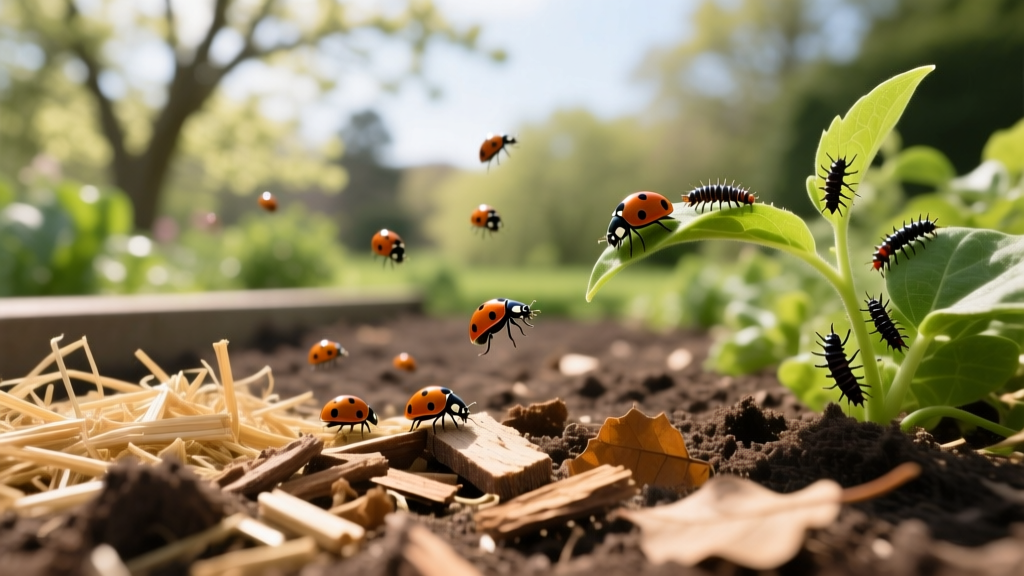
2026 Ladybug Release Timing & Mulch Strategies For Aphids
Emily WatsonPublished
The Missing Link in Biological Aphid Control
As integrated pest management (IPM) strategies evolve in 2026, home gardeners are increasingly turning away from broad-spectrum synthetic pesticides and toward biological controls. The convergent lady beetle (Hippodamia convergens) remains the undisputed champion of natural aphid suppression. However, a persistent frustration among gardeners is the "release and vanish" phenomenon: you purchase a bag of live ladybugs, release them into your garden beds, and by the next morning, they have migrated to your neighbor's yard. The secret to anchoring these beneficial predators in your garden does not lie in the insects themselves, but in the soil surface beneath them. Specifically, your mulching methods and materials dictate whether ladybugs will stay to feast on aphids or fly away in search of better habitat.
According to the UC IPM Natural Enemies Gallery, lady beetles require specific environmental conditions to remain active and reproduce in a localized area. They need high humidity, protection from extreme midday heat, and sheltered overwintering sites. Bare soil or improper mulching materials fail to provide these necessities, rendering your biological pest control investment useless. This guide explores the precise intersection of mulching materials and ladybug release timing to ensure maximum aphid eradication in your 2026 garden beds.
Why Ladybugs Abandon Bare or Improperly Mulched Beds
Ladybugs are highly mobile insects. When released into a new environment, their first instinct is to assess the habitat's viability. If the garden bed lacks ground cover, the soil surface dries out rapidly, and the microclimate becomes hostile. Ladybugs are prone to desiccation; without a humid boundary layer near the soil, they will take flight to seek out moist, wooded areas. Furthermore, ladybugs need physical shelter to hide from avian predators and to rest during the hottest parts of the day. A well-structured mulch layer acts as a micro-habitat, providing the exact moisture retention and physical complexity required to convince a foraging ladybug that your garden bed is its permanent home.
Top Mulching Materials for Ladybug Retention in 2026
Not all mulches are created equal when it comes to supporting beneficial insect populations. The physical structure, moisture-holding capacity, and chemical properties of the mulch will either attract or repel your biological control agents.
1. Wheat Straw (The Gold Standard)
Wheat straw is widely considered the premier mulching material for ladybug retention. Its hollow, tubular structure creates thousands of tiny micro-caverns that trap moisture and provide ideal hiding spots. In 2026, organic wheat straw bales typically cost between $12 and $18 per bale, making it an economical choice for large garden beds. Straw also breaks down slowly enough to provide season-long shelter but eventually adds valuable organic matter to the soil. Unlike hay, which is laden with weed seeds, clean wheat straw keeps your beds tidy while fostering a thriving predator habitat.
2. Shredded Leaf Mold
Shredded autumn leaves mimic the natural forest floor, the native habitat of many ladybug species. The complex, layered texture of leaf mold holds moisture exceptionally well and offers excellent camouflage against birds. However, leaves must be shredded; whole leaves can mat together, creating an anaerobic barrier that repels beneficial ground-dwelling insects and promotes fungal diseases. Apply a 2-to-3-inch layer of shredded leaves around the base of aphid-prone plants like roses, kale, and milkweed.
3. Cedar and Pine Bark (Proceed with Caution)
While aesthetically pleasing and highly effective at weed suppression, cedar mulch contains natural aromatic oils (thujone) that act as insect repellents. While these oils deter pests like termites and ants, they can also deter ladybugs and other beneficial predators. If your primary goal is biological aphid control, avoid cedar mulch in your immediate planting beds. Standard pine bark nuggets are a safer alternative, though their large size offers less surface-level humidity retention compared to straw or shredded leaves.
The Ant-Aphid-Mulch Triangle
When utilizing mulch for ladybug retention, you must simultaneously manage the ant-aphid mutualism. Ants actively "farm" aphids for their honeydew and will aggressively attack and drive away ladybugs to protect their livestock. Thick layers of certain wood mulches can harbor ant colonies. Before releasing ladybugs, inspect your mulch layer for ant activity. If ants are present, the University of California Integrated Pest Management (UC IPM) program recommends using sticky barriers (like Tanglefoot) on the trunks of affected trees and shrubs, and applying diatomaceous earth lightly over the mulch surface to disrupt ant trails without harming the ladybugs.
Precision Timing: When to Release and When to Mulch
Timing is everything in IPM. Releasing ladybugs at the wrong time of day, or before your mulch bed is properly prepared, guarantees failure.
- Mulch Preparation Timing: Apply your chosen mulch material 7 to 10 days before the planned ladybug release. This allows the mulch to settle and the soil microbiome to stabilize. Water the mulch deeply for three consecutive evenings prior to release to ensure the boundary layer humidity is maximized.
- Seasonal Timing: Release ladybugs in early spring when aphid populations first become visible, but before daytime temperatures consistently exceed 85°F (29°C). High heat triggers the migratory instinct in Hippodamia convergens.
- Daily Timing: Never release ladybugs during the heat of the day. Always release them at dusk or just after sunset. The cooler evening temperatures prevent immediate flight, giving the insects time to crawl down through the mulch layer and find shelter for the night.
2026 Mulch and Ladybug Retention Comparison Chart
The following table summarizes the effectiveness of common mulching materials specifically for biological pest control scenarios in 2026.
| Mulch Material | Moisture Retention | Ladybug Shelter Quality | Ant Interference Risk | Avg. Cost (2026) |
|---|---|---|---|---|
| Organic Wheat Straw | High | Excellent | Low | $14 / bale |
| Shredded Leaf Mold | Very High | Excellent | Medium | Free (DIY) |
| Finely Shredded Hardwood | Medium | Good | High | $6 / cu ft |
| Pine Bark Nuggets | Low | Poor | Medium | $5 / cu ft |
| Cedar Mulch | Medium | Poor (Repellent Oils) | Low | $7 / cu ft |
| Living Mulch (Sweet Alyssum) | High | Excellent (Nectar Source) | Low | $4 / flat |
Step-by-Step Release Protocol for Mulched Beds
To guarantee your biological control agents stay and feed, follow this precise, field-tested protocol endorsed by modern Environmental Protection Agency (EPA) guidelines for beneficial insect integration:
- Hydrate the Mulch: At 4:00 PM on the day of release, lightly mist the top layer of your straw or leaf mulch, and water the base of the plants. Ladybugs are shipped in a dehydrated state and will immediately seek water.
- Pre-Feed (Optional but Recommended): Spray a light mist of water mixed with a few drops of organic wheast (a sugar-based yeast extract) onto the foliage. This provides immediate energy to the exhausted beetles.
- The Dusk Release: As the sun sets, open the bag and gently scatter the ladybugs in small handfuls directly onto the soil surface and lower mulch layer, rather than tossing them into the upper canopy. They will naturally crawl upward toward the aphid colonies.
- Provide a Water Source: Place shallow water dishes filled with pebbles (to prevent drowning) near the mulched beds. The combination of the humid mulch layer and accessible water will anchor the colony.
Conclusion
Biological pest control is not a simple "set it and forget it" endeavor. As we navigate the gardening challenges of 2026, integrating your mulching strategy with your pest management plan is essential for success. By choosing moisture-retentive, structurally complex materials like wheat straw or shredded leaves, managing ant populations, and timing your releases for dusk in a pre-hydrated environment, you transform your garden beds into a permanent sanctuary for ladybugs. The result is a self-sustaining, chemical-free defense system that keeps aphids at bay while promoting a vibrant, healthy soil ecosystem.