Pest Control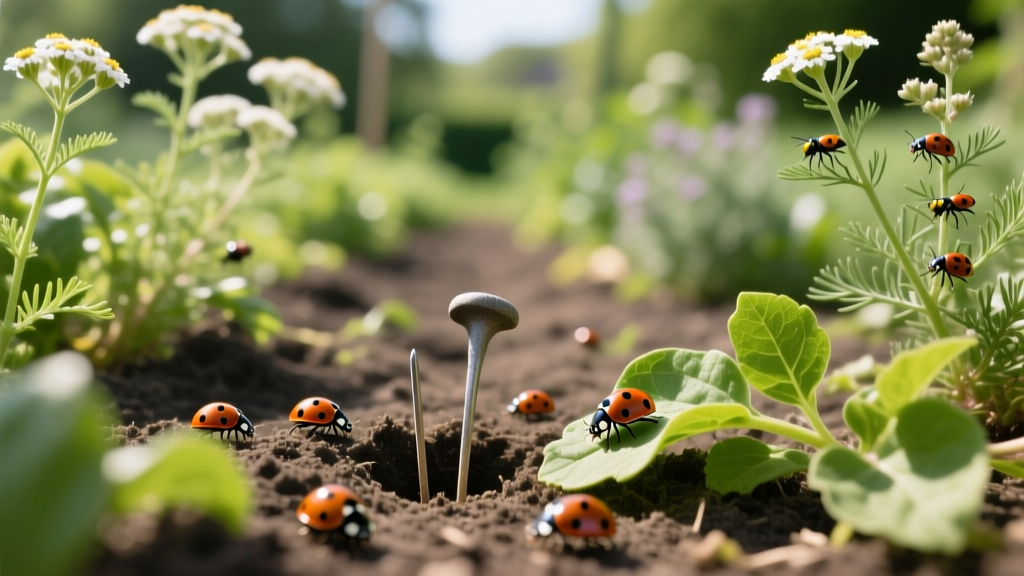
2026 Ladybug Release Timing & Soil Aeration For Aphids
Lisa ThompsonPublished
The Intersection of Soil Health and Biological Pest Control
As we navigate the 2026 growing season, home gardeners and landscaping professionals are increasingly moving away from broad-spectrum chemical pesticides in favor of holistic Integrated Pest Management (IPM). One of the most persistent threats to ornamental garden beds and vegetable patches is the aphid. These sap-sucking insects reproduce rapidly, weaken plants, and transmit devastating viral diseases. While releasing ladybugs (specifically the convergent lady beetle, Hippodamia convergens) is a popular biological control method, many gardeners experience the frustration of watching their expensive beneficial insects fly away within hours of release. The secret to retaining ladybugs and maximizing their aphid-consuming potential does not begin with the insects themselves; it begins beneath the soil surface. By combining strategic garden bed aeration with the targeted seeding of insectary plants, you can create an environment that naturally suppresses aphid populations and anchors your ladybug workforce for the entire season.
The Hidden Link Between Soil Compaction and Aphid Infestations
To understand why aeration is a critical pest control strategy, we must look at the botany of plant stress. Aphids are not random attackers; they are highly selective feeders that target stressed plants. When garden bed soil becomes compacted due to foot traffic, heavy clay content, or improper winter preparation, root systems are deprived of oxygen and struggle to access deep moisture. This subterranean stress triggers a physiological response in the plant, altering the chemical composition of its phloem sap. Stressed plants accumulate higher concentrations of soluble nitrogen and free amino acids in their sap, effectively turning them into a high-protein beacon for foraging aphids. Furthermore, compacted soil limits the plant's ability to produce the robust cellular walls needed to physically resist piercing-sucking mouthparts. According to the University of California Integrated Pest Management (UC IPM) program, managing plant vigor through proper cultural care, including soil structure improvement, is the foundational first step in long-term aphid management. By aerating your garden beds in early spring, you relieve this compaction, restore natural soil biology, and cultivate plants that are inherently less attractive to aphid colonization.
Aeration Strategies for Garden Beds in 2026
Unlike expansive turf lawns that benefit from mechanical core aeration machines, garden beds require a more delicate touch to preserve established root systems and soil ecology. In 2026, the gold standard for garden bed aeration is the use of a manual broadfork or a deep-soil compost aerator. A high-quality, four-pronged steel broadfork (retailing between $130 and $180 this season) allows you to fracture compacted subsoil layers without inverting the topsoil. This technique, often referred to as 'no-till aeration,' preserves the delicate mycorrhizal fungal networks that aid in plant nutrient uptake. To properly aerate a garden bed prior to planting and pest control interventions, insert the broadfork tines to a depth of eight to ten inches and gently rock the handle back to lift and crack the soil. Repeat this process every six inches across the bed. This creates vital air channels, improves drainage, and sets the stage for the next crucial IPM step: seeding.
Seeding Insectary Plants to Anchor Your Ladybugs
The primary reason released ladybugs abandon your garden is a lack of diverse food sources and habitat. While adult ladybugs consume vast quantities of aphids, they also require pollen and nectar to sustain their energy, reproduce, and survive periods when aphid populations naturally crash. If you release ladybugs into a sterile, heavily mulched garden bed with only a single crop, they will immediately take flight in search of better foraging grounds. The solution is to integrate the seeding of 'insectary plants' directly into your aerated garden beds. Insectary plants are specific flowering varieties that produce shallow, accessible nectar blooms perfectly suited to the mouthparts of beneficial insects. By overseeding your aerated beds with these companion plants, you create a permanent biological anchor that encourages ladybugs to stay, breed, and provide continuous aphid control. The Xerces Society for Invertebrate Conservation heavily advocates for the establishment of diverse floral resources to support predatory and parasitic insects, noting that continuous blooming sequences are vital for beneficial insect retention.
Top Insectary Seed Varieties for Aphid Control
- Sweet Alyssum (Lobularia maritima): A low-growing, fast-blooming annual that provides excellent ground cover and a continuous nectar source. Seed directly into lightly raked, aerated soil in early spring.
- Dill and Cilantro: Allow these common culinary herbs to bolt and flower. Their umbrella-shaped umbels are perfect landing pads for ladybugs and parasitic wasps.
- Yarrow (Achillea millefolium): A hardy perennial that thrives in well-aerated soil and provides crucial late-season pollen.
- Cosmos (Cosmos bipinnatus): Tall, open flowers that attract adult ladybugs seeking nectar and provide shelter from harsh midday sun.
2026 Ladybug Release Timing Guide
Once your soil is aerated and your insectary seeds have begun to germinate and establish, it is time to introduce your biological control agents. Timing the release of live ladybugs is a precise science. Releasing them too early in the spring, when nighttime temperatures still dip below 50°F (10°C), will result in high mortality rates. Releasing them during the heat of a summer afternoon guarantees they will fly away immediately to seek water and shade. For optimal aphid suppression, releases should be timed to coincide with the first noticeable signs of aphid colony establishment, usually when spring temperatures stabilize and your seeded insectary plants are just beginning to bud.
| Release Parameter | Optimal Condition for 2026 IPM |
|---|---|
| Soil & Air Temperature | Above 55°F at dusk; avoiding midday heat spikes |
| Aphid Threshold | Early colony formation (10-20 aphids per leaf) |
| Soil Moisture | Deeply watered 2 hours prior to release |
| Time of Day | Twilight / Early Evening (to prevent immediate flight) |
| Insectary Bloom Stage | Early budding to 10% open blooms |
Step-by-Step Release Execution
To maximize the effectiveness of your 1,500-count mesh bag of live Hippodamia convergens (which typically costs around $18 to $25 in 2026), follow this meticulous release protocol. First, thoroughly water the base of your aphid-infested plants and your newly seeded insectary strips. Ladybugs require immediate access to moisture upon waking from their refrigerated shipping dormancy. Next, use a fine misting nozzle to lightly spray the foliage of the affected plants. This provides an immediate drinking source and simulates a humid microclimate that discourages flight. Open your mesh bag at the base of the plants, gently shaking small clusters of ladybugs directly onto the lower stems and soil surface near the aphid colonies. Do not throw them into the air or place them on the very top of the plants. Ladybugs naturally crawl upward; by placing them at the base, they will encounter the aphids as they climb. Finally, leave the empty mesh bag draped over a nearby shrub or fence; straggler beetles will often remain inside, and the bag provides temporary daytime shelter.
Post-Release Monitoring and Maintenance
Biological pest control is not a 'set it and forget it' solution. In the weeks following your evening release, monitor your aerated and seeded garden beds closely. You should begin to see a reduction in aphid numbers within seven to ten days. More importantly, look for the presence of ladybug larvae. The larvae, which resemble tiny black and orange alligators, are actually the most voracious aphid predators in the life cycle, consuming hundreds of aphids before pupating. If you spot larvae, avoid any physical disturbance of the foliage and absolutely refrain from using any organic sprays, including neem oil or insecticidal soaps, as these will harm the developing beneficials. By maintaining the aeration of your soil pathways and allowing your seeded insectary plants to flower continuously, you transform your garden from a temporary feeding ground into a permanent, self-sustaining habitat for natural pest control.