Pest Control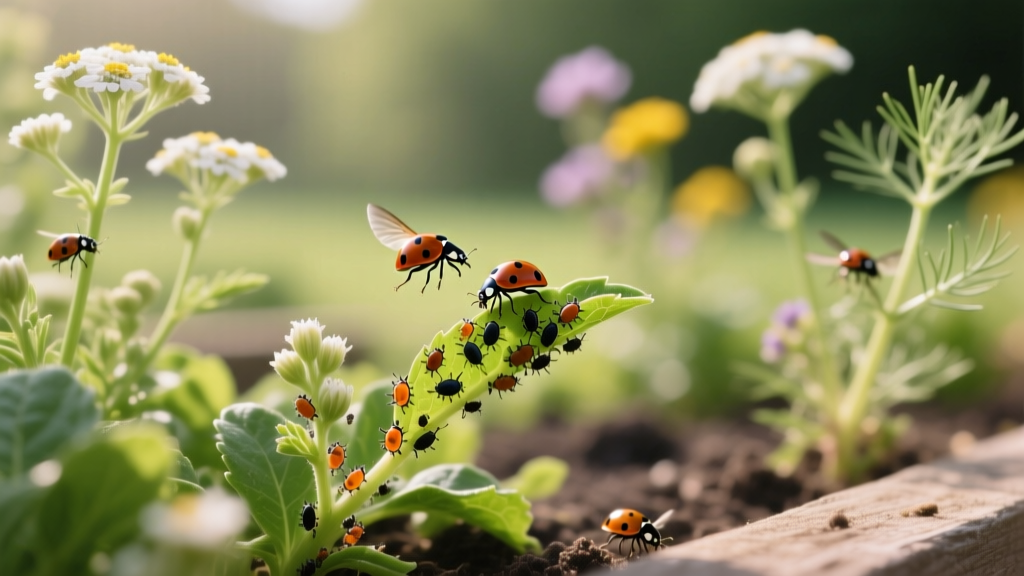
2026 Ladybug Release Timing For Aphid Control In Garden Beds
David ParkPublished
The Intersection of Aphid Control and Pollinator Safety
As we navigate the shifting climate patterns and extended growing seasons of 2026, gardeners are facing earlier and more aggressive aphid hatches. Aphids are notorious for colonizing the tender new growth of beloved pollinator plants like milkweed, aster, and butterfly bush. While the immediate instinct might be to reach for a broad-spectrum chemical insecticide, doing so in a pollinator-friendly garden is counterproductive and ecologically damaging. Chemical sprays do not discriminate; they will decimate the very bee, butterfly, and hoverfly populations you are trying to support.
This is where integrated pest management (IPM) shines, specifically through the strategic use of biological controls. The convergent lady beetle (Hippodamia convergens) remains one of the most effective, natural predators of soft-bodied insects. However, simply buying a bag of ladybugs and dumping them in your garden at noon is a recipe for failure. To successfully integrate ladybugs into your 2026 pollinator garden design, precise release timing, environmental preparation, and habitat retention strategies are absolutely critical.
Why Timing is Everything for Ladybug Releases
Ladybugs are highly mobile insects. If they are released into a dry, hot garden during the middle of the day, their immediate instinct is to take flight and seek out cooler, more humid environments—often ending up in your neighbor's yard or a nearby wooded area rather than staying in your garden beds. Furthermore, according to the EPA's guide on beneficial insects, maximizing the efficacy of biological controls requires aligning the predator's life cycle and environmental needs with the pest's presence.
In 2026, with many regions experiencing warmer spring evenings, the window for optimal release has shifted slightly. You must release ladybugs when aphid populations are just beginning to establish, not when the plants are already completely overrun and suffering from severe sooty mold. The ideal time of year is mid-to-late spring, just as your pollinator beds are pushing out their first major flush of new growth, and the ideal time of day is strictly at dusk.
The Dusk Release Rule
Ladybugs navigate and fly primarily using visual cues and solar warmth. By releasing them at dusk or just after sunset, you effectively ground them for the night. This 12-hour grounding period allows the beetles to acclimate to the local humidity, discover the aphid colonies, and begin feeding. By the time the sun rises the next morning, they have already established your garden bed as their primary territory and food source.
Step-by-Step 2026 Release Protocol for Garden Beds
To ensure your investment in beneficial insects pays off and your pollinator plants are protected, follow this meticulous release protocol.
1. Pre-Hydrate the Garden Beds
Ladybugs require moisture, especially after emerging from commercial cold-storage shipping. A few hours before sunset, deeply water the base of your infested plants. Avoid overhead watering right before release, as you do not want to wash the aphids (or the ladybugs) off the leaves, but the soil and lower mulch layer should be thoroughly damp to raise the ambient humidity around the plant stems.
2. Mist the Foliage
Just minutes before releasing the beetles, use a gentle pump sprayer to lightly mist the foliage of the aphid-infested plants with plain water. This provides an immediate drinking source for the thirsty ladybugs and makes the aphids slightly sluggish and easier to catch.
3. The Low-and-Slow Release
Open your container of ladybugs at the base of the infested plants. Do not throw them into the air. Instead, gently sprinkle them onto the lower stems and the soil surface near the plant crown. As they wake up and move upward, they will naturally encounter the aphid colonies on the tender new growth.
4. Deploy a Sugar-Water Bait (Optional)
For severe infestations, some IPM practitioners in 2026 are using a light sugar-water spray (1 part sugar to 10 parts water) on the lower leaves. This provides an immediate energy boost to the ladybugs, keeping them in the immediate vicinity while they hunt for the protein-rich aphids.
Retention Strategies: Keeping Ladybugs in Pollinator Habitats
The biggest complaint among gardeners is that ladybugs fly away after a few days. This usually happens because the garden lacks the necessary resources to support them once the primary aphid population is depleted. Adult ladybugs do not eat exclusively aphids; they also require nectar and pollen to sustain themselves and reproduce. Designing your pollinator garden to include specific companion plants is the key to long-term retention.
By integrating plants with shallow, umbrella-shaped flowers, you provide accessible nectar sources for adult ladybugs while simultaneously supporting native pollinators. The Xerces Society's pesticide guidelines heavily emphasize the importance of diverse floral resources in maintaining robust populations of both pollinators and natural pest predators.
| Companion Plant | Bloom Time | Benefit to Ladybugs | Benefit to Pollinators |
|---|---|---|---|
| Sweet Alyssum | Spring to Fall | Provides accessible nectar for adult beetles | Attracts hoverflies and parasitic wasps |
| Yarrow | Summer | Offers dense foliage shelter and pollen | Excellent landing pad for butterflies |
| Dill (allowed to bolt) | Summer | Umbel flowers provide easy nectar access | Host plant for swallowtail butterflies |
| Fennel | Late Summer | Sturdy hollow stems for overwintering | Primary host for black swallowtails |
| Bachelor's Button | Spring | Extrafloral nectaries attract beetles | Highly attractive to native bees |
Sourcing and Costs for 2026
When purchasing ladybugs for your garden beds, it is vital to source them from reputable suppliers who practice ethical harvesting and ensure the beetles are disease-free. In 2026, the standard commercial unit is 1,500 live adult convergent lady beetles, which typically costs between $18 and $28, plus shipping. For a standard 500-square-foot pollinator garden bed, 1,500 ladybugs is the perfect initial dosage.
Always choose suppliers that ship via expedited methods with cold packs to ensure the insects arrive dormant but healthy. Upon arrival, store them in the refrigerator (around 40°F to 45°F) until the exact evening you plan to release them. This mimics their natural overwintering state and prevents them from exhausting their energy reserves inside the shipping bag.
Supplemental Pollinator-Safe IPM Tactics
While ladybugs are the cornerstone of biological aphid control, a true IPM approach utilizes multiple tactics. If aphid populations are dangerously high and threatening to kill a young milkweed plant before the ladybugs can establish, you can use pollinator-safe interventions as a bridge.
A strong blast of water from a hose (done early in the morning so leaves dry before nightfall) can physically knock 80% of aphids off the plant without harming the plant or any pollinators. Additionally, insecticidal soaps can be used, but with extreme caution. According to the University of California Integrated Pest Management (UC IPM) program, insecticidal soaps only work on contact and have no residual effect, meaning they are safe for pollinators once the spray has dried. However, you must never spray open blooms where bees are actively foraging, and you should avoid spraying the areas where you plan to release your ladybugs, as the soap will kill the beneficial beetles just as easily as the aphids.
Conclusion
Mastering ladybug release timing is an art that blends entomology with garden design. By releasing at dusk, pre-hydrating your beds, and planting a diverse array of nectar-rich companion plants, you transform your garden from a temporary feeding ground into a permanent habitat for beneficial insects. In 2026, protecting our pollinators means working with nature's pest control mechanisms, ensuring our garden beds remain vibrant, balanced, and teeming with life.