Pest Control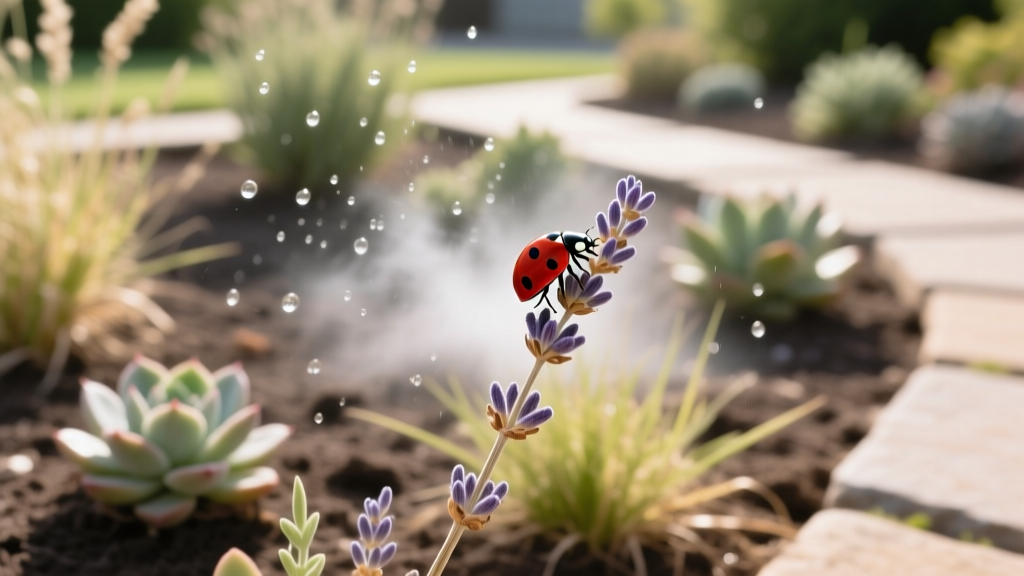
2026 Ladybug Release Timing For Xeriscape Aphid Control
Mike RodriguezPublished
The Xeriscape Aphid Dilemma in 2026
As water conservation becomes a permanent fixture of modern landscaping, xeriscaping and low-water garden designs have surged in popularity throughout 2026. Homeowners are increasingly replacing thirsty turfgrass with drought-tolerant agave, russian sage, yarrow, and native succulents. However, a common misconception is that low-water plants are immune to pests. In reality, drought-stressed plants or those experiencing a sudden flush of new growth after a rare deep-watering event are prime targets for aphid infestations.
Aphids, such as the green peach aphid and the oleander aphid, can quickly colonize the tender new shoots of xeriscape plants, secreting sticky honeydew that leads to unsightly sooty mold. While chemical pesticides are an option, they often disrupt the fragile micro-ecosystems of low-water gardens. The convergent lady beetle (Hippodamia convergens) remains the gold standard for organic aphid control. Yet, releasing ladybugs in a xeriscape presents a unique challenge: standard release protocols advise heavily watering the garden prior to release, a practice that directly violates xeriscaping principles and can rot the roots of drought-adapted plants.
To successfully utilize ladybugs in a low-water landscape, you must master the precise timing and specialized hydration techniques that keep these beneficial predators grounded and hunting, rather than flying away in search of moisture.
Optimal Release Timing: Season and Time of Day
Timing is the single most critical factor in xeriscape ladybug releases. If you release beetles into a hot, dry garden at noon, they will immediately take flight to seek water and shelter, leaving your aphid-infested succulents unprotected.
Seasonal Timing
In 2026, the most effective windows for ladybug releases in xeriscapes are early-to-mid spring (April through May) and early autumn (September through October). During these periods, aphid populations are actively reproducing on new plant growth, and ambient temperatures are moderate. Avoid releasing ladybugs during the peak heat of July and August; extreme heat combined with low humidity in a xeriscape will cause rapid beetle desiccation and mortality.
Daily Timing
Never release ladybugs during the day. The optimal time is late evening, just at dusk, when temperatures drop below 75°F and winds die down. Releasing at dusk gives the beetles an entire night to acclimate, locate aphid colonies, and feed without the stress of solar radiation. Early dawn is a secondary option, provided the morning dew is still present on the foliage, offering a natural moisture source.
Xeriscape Hydration Hacks (Without Overwatering)
According to entomological guidelines from the University of Minnesota Extension, ladybugs require a reliable water source to survive and reproduce. Since you cannot soak your xeriscape beds, you must provide targeted 'hydration stations' that mimic natural water sources without waterlogging your drought-tolerant soil.
- The Terracotta Saucer Method: Place shallow terracotta saucers near the base of heavily infested plants. Fill them with clean pebbles or marbles, and add just enough water to sit below the top of the stones. This allows ladybugs to land and drink safely without drowning, while the terracotta slowly wicks moisture into the air, creating a humid microclimate.
- Damp Sponge Stations: For vertical succulents or agave rosettes, place a clean, damp natural sea sponge in the fork of the plant branches or inside a decorative, dry river-rock cluster nearby. Re-wet the sponge every two days using a spray bottle.
- Targeted Misting: Instead of watering the soil, use a fine misting bottle to lightly spray the foliage of the infested plant at dusk. This provides the ladybugs with drinking droplets and simulates the evening dew they naturally rely on in the wild.
Xeriscape Plant Aphid Vulnerability & Release Chart
Different low-water plants host different aphid species and require slightly modified release strategies. Use the chart below to tailor your integrated pest management (IPM) approach.
| Xeriscape Plant | Common Aphid Species | Best Release Time | Hydration Strategy |
|---|---|---|---|
| Agave & Yucca | Black Bean Aphid / Agave Aphid | Early Morning (Dew present) | Misting rosette centers lightly |
| Russian Sage | Mint Aphid | Late Evening (Dusk) | Damp sponge in terracotta saucer |
| Yarrow | Green Peach Aphid | Dusk (65°F - 75°F) | Pebble tray near plant base |
| Ice Plant (Delosperma) | Melon Aphid | Early Dawn | Targeted drip-line soil moistening |
| Asclepias (Milkweed) | Oleander Aphid (Yellow) | Late Evening | Shallow water dish with gravel |
Step-by-Step Xeriscape Release Protocol
To maximize the retention rate of your ladybugs in a low-water environment, follow this specialized 2026 protocol. Currently, purchasing 1,500 live convergent ladybugs from reputable suppliers like Arbico Organics or Nature's Good Guys costs between $18 and $28, making it a highly cost-effective biological control method.
- Chill the Beetles: Upon receiving your ladybugs, place the ventilated container in the refrigerator (not the freezer) for 1 to 2 hours before dusk. This lowers their metabolism, inducing a state of torpor that prevents them from immediately flying away upon opening the bag.
- Prep the Zone: Set up your terracotta hydration stations and lightly mist the foliage of the target xeriscape plants with water. Ensure the soil remains dry to protect the plant's root system.
- Spot Release: At dusk, open the container at the base of the infested plant. Gently shake small clusters of beetles (about 20-30 at a time) directly onto the stems where aphid colonies are visible. Do not broadcast them into the air.
- Provide Nectar: Ladybugs require pollen and nectar to sustain themselves when aphid populations dwindle. Ensure your xeriscape includes low-water companion plants like Sweet Alyssum, Yarrow, or Basket of Gold, which act as 'banker plants' to keep the beetles in your garden long-term.
Understanding Aphid Biology in Dry Climates
Effective pest control requires understanding your enemy. The University of California Statewide IPM Program notes that aphids can reproduce parthenogenetically (without mating) during the spring and summer, leading to explosive population growth even in arid environments. In xeriscapes, aphids often congregate on the shaded, protected undersides of thick succulent leaves or deep within the tightly wound rosettes of agave plants, hiding from visual predators and harsh sun.
Because of this hiding behavior, simply releasing ladybugs nearby is not enough. You must physically place the chilled beetles as close to the aphid colonies as possible. Furthermore, Colorado State University Extension emphasizes that ants often 'farm' aphids for their honeydew, aggressively defending them from ladybugs. If you see ants crawling up your russian sage or yucca stalks, you must first apply a sticky barrier like Tanglefoot around the base of the plant stem to block the ants, ensuring your released ladybugs can do their job without being attacked.
Long-Term IPM for the Low-Water Garden
Ladybug releases are an excellent 'knock-down' treatment for severe aphid outbreaks, but true xeriscape pest management relies on long-term ecological balance. By carefully timing your releases at dusk, providing specialized micro-hydration stations, and cultivating drought-tolerant nectar plants, you transform your low-water garden into a resilient, self-regulating ecosystem. In 2026, the most successful xeriscape gardens are not just those that survive on minimal water, but those that actively support the beneficial insects required to keep them thriving without synthetic chemicals.