
Landscaping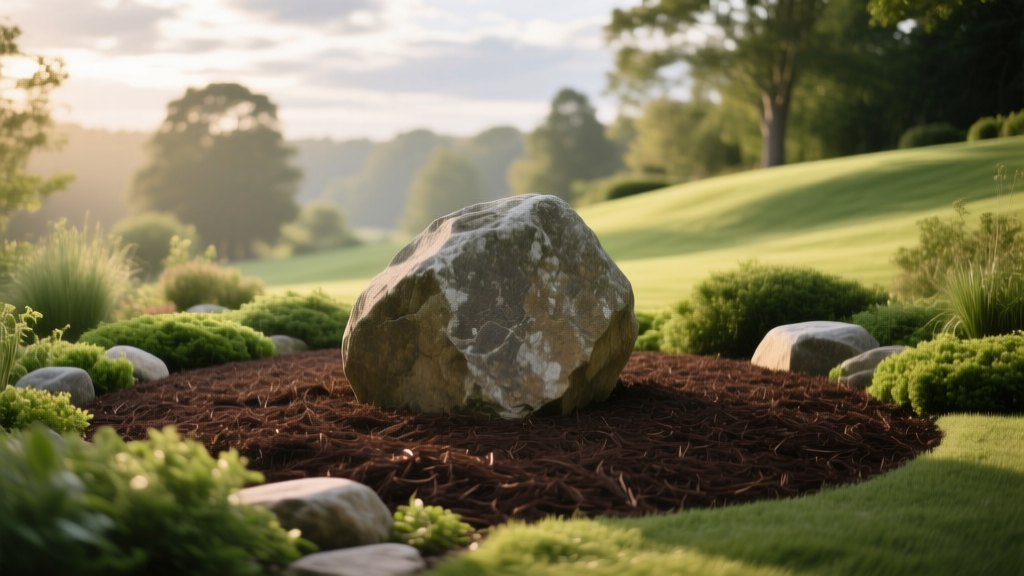
Pro Landscape Boulder Placement & Mulching Guide 2026
James MillerPublished
The Intersection of Hardscape and Softscape in 2026
In the evolving world of landscape design, the integration of hardscaping elements with softscaping materials has become a hallmark of professional outdoor spaces. As we move through the 2026 landscaping season, naturalistic garden designs are dominating the trends, with landscape boulders serving as dramatic, grounding focal points. However, simply dropping a massive stone into a garden bed is a rookie mistake. The true artistry and horticultural science lie in how you transition between the stone and the soil. This is where mulching methods and materials play a critical, often overlooked role. Properly framing a landscape boulder with the right mulch not only elevates the aesthetic appeal of your garden but also manages drainage, regulates soil temperature, and suppresses weeds.
Microclimates: How Boulders Affect Surrounding Soil
Before selecting a mulch material, it is essential to understand the microclimate created by a large landscape boulder. Stones possess high thermal mass, meaning they absorb solar radiation during the day and release it slowly at night. In the summer of 2026, with many regions experiencing fluctuating heat waves, this thermal radiation can severely stress the root systems of adjacent plants if the soil is left bare. According to research published by the Penn State Extension, maintaining a proper mulch layer around heat-absorbing hardscapes insulates the soil, keeping root zones up to 10 degrees cooler during peak afternoon hours. Conversely, in the winter, the boulder's retained heat can cause premature thawing and freezing cycles in the immediate soil, which can heave plant roots. A thick, appropriate mulch ring acts as a vital buffer against these extreme temperature fluctuations.
Selecting the Ideal Mulch Material for Boulder Framing
When framing a focal point boulder, the mulch material you choose must complement the stone's color, texture, and porosity while serving its horticultural purpose. In 2026, homeowners and landscape architects are moving away from dyed, artificial-looking mulches and embracing natural, locally sourced materials. Here is a breakdown of the best mulching materials to use around landscape boulders.
Organic Mulches
Organic mulches, such as shredded hardwood, cedar bark, and pine needles, are excellent for improving soil health as they decompose. However, when placed directly against porous boulders like sandstone or limestone, the tannins and organic acids from decaying wood can cause unsightly staining over time. To prevent this, experts recommend leaving a small, two-inch gap between the organic mulch and the boulder's surface, or using a transitional border of inorganic gravel.
Inorganic Mulches
Inorganic mulches, including river rock, pea gravel, and decomposed granite, are highly favored for modern and xeriscape designs. They do not break down, meaning they will not stain your focal boulder, and they provide excellent drainage. According to the Clemson University Home & Garden Information Center, inorganic mulches are particularly effective in rain gardens or dry creek beds where water runoff from the boulder's surface needs to be dispersed quickly without washing away the mulch bed.
| Mulch Material | Aesthetic Profile | Drainage & Moisture | Best Paired Boulder Type |
|---|---|---|---|
| Shredded Hardwood | Natural, dark, contrasts well with light stone | Retains moisture well, moderate drainage | Granite, Basalt (Non-porous) |
| River Rock (1-2 inch) | Smooth, natural, mimics dry creek beds | Excellent drainage, prevents soil erosion | Sandstone, Limestone (Porous) |
| Decomposed Granite | Earthy, compactable, modern desert look | High permeability, stabilizes soil base | Fieldstone, Mossy Boulders |
| Pine Needles (Straw) | Rustic, woodland, acidic soil preference | Good water penetration, prevents compaction | Glacial Erratics, Rough Granite |
The "Iceberg" Rule: Placement and Base Preparation
The most common error in landscape boulder placement is setting the stone directly on top of the soil, making it look like an unnatural, dropped object. Professional landscapers adhere to the "Iceberg Rule": at least one-third of the boulder's total height should be buried below the grade. This anchors the stone visually and physically, making it appear as though it has been in the landscape for centuries. When preparing the base in 2026, sustainable practices dictate using a compacted sub-base of crushed gravel rather than concrete to set the boulder. This allows for natural groundwater percolation. Once the boulder is set and buried to the proper depth, the surrounding soil is graded to create a subtle basin, which is then filled with your chosen mulch material.
Constructing the Mulch Basin for Drainage and Aesthetics
A focal point boulder will naturally shed rainwater from its broad surfaces. If the surrounding ground is flat or sloped away too sharply, this runoff can cause severe soil erosion, exposing the boulder's buried base and creating muddy trenches. To combat this, construct a "mulch basin" or swale around the perimeter of the stone. By mounding the soil slightly higher about 18 to 24 inches away from the boulder and filling the depression with a deep layer of mulch, you create a catchment area. The Arbor Day Foundation emphasizes that creating these mulch rings not only captures vital rainwater for nearby tree and shrub roots but also defines the visual boundary of the hardscape feature, giving the garden bed a manicured, intentional appearance.
Edging and Framing Techniques
To maintain the crisp lines of your mulch basin and prevent the material from migrating into adjacent turfgrass, proper edging is required. In 2026, flexible corten steel edging has become the industry standard for high-end landscape designs. Corten steel develops a protective, rust-colored patina that blends beautifully with both organic hardwood mulches and natural boulders. When installing the edging, ensure it sits about one inch below the top of the mulch line. This allows for easy mowing and string-trimming along the perimeter without damaging the equipment or the mulch bed. The contrast between the rough, ancient texture of the focal boulder, the soft, uniform blanket of mulch, and the sharp, geometric line of the steel edging creates a visually stunning triad of textures.
Common Mulching Mistakes to Avoid
Even with the best materials, improper application can ruin the focal point and harm surrounding flora. Avoid these common pitfalls:
- The Mulch Volcano: Never pile mulch high up against the sides of the boulder or the trunks of nearby trees. This traps excess moisture, promotes fungal growth on porous stones, and invites rot to adjacent plant stems. Maintain a level, 3-to-4-inch depth across the bed.
- Suffocating the Soil with Plastic: While weed suppression is important, laying down impermeable plastic sheeting beneath organic mulch around a boulder is a major mistake. It prevents water from the boulder's runoff from penetrating the soil and kills beneficial soil microbes. If a weed barrier is absolutely necessary in 2026, use a high-quality, permeable geotextile fabric that allows water and air exchange.
- Ignoring Color Theory: Do not pair a red-tinted mulch with a pinkish granite boulder; the colors will clash and look artificial. Aim for high contrast—such as dark, rich cedar mulch against a pale, white limestone boulder—to make the focal point truly pop.
Sustainable 2026 Mulching Practices
Sustainability remains a driving force in modern landscaping. When sourcing mulch for your boulder focal points, look for locally produced materials to reduce the carbon footprint associated with transportation. Many municipalities in 2026 now offer high-quality, double-shredded composted yard waste that serves as an excellent, nutrient-rich mulch alternative to harvested forest products. Additionally, consider using "living mulch" in the outer rings of your boulder basin. Planting low-growing, drought-tolerant groundcovers like creeping thyme or sedum around the perimeter of the mulch bed further stabilizes the soil, reduces the need for annual mulch replenishment, and softens the transition between the hardscape focal point and the rest of the garden.
Conclusion
Landscape boulders are powerful design elements that bring permanence, scale, and natural beauty to any garden. However, their impact is entirely dependent on how they are grounded in the landscape. By understanding the thermal properties of stone, selecting the appropriate organic or inorganic mulch, employing the iceberg placement method, and constructing functional mulch basins, you can transform a simple rock into a breathtaking, ecologically beneficial focal point. As you plan your 2026 outdoor projects, remember that the magic lies in the transition between the stone and the soil.

