
Landscaping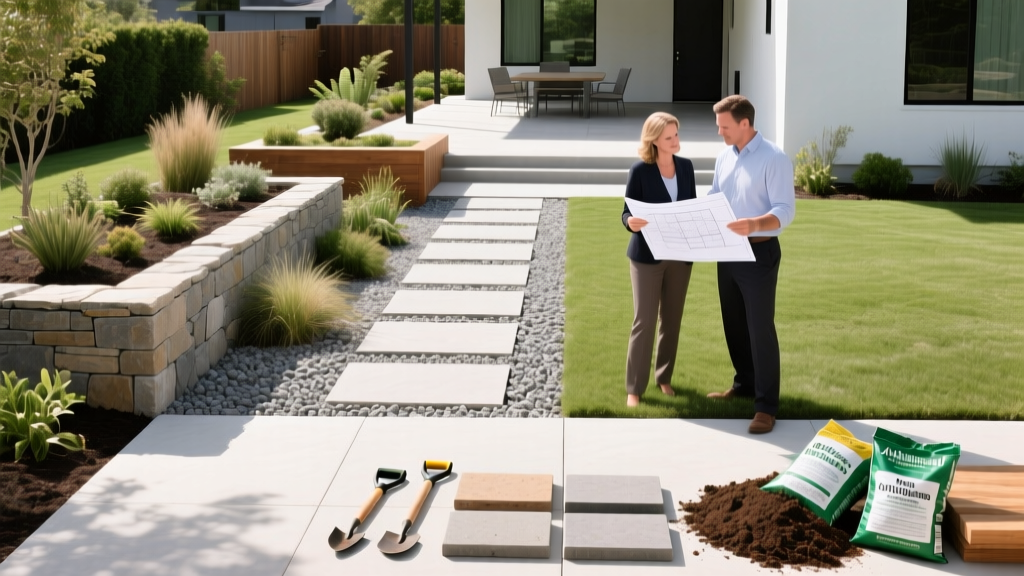
Landscape Design Cost Breakdown: Hardscaping vs Softscaping
James MillerPublished
Introduction to Landscape Design Costs
Transforming your outdoor space into a functional, beautiful oasis is one of the most rewarding home improvement projects you can undertake. Whether you are looking to boost your curb appeal, create an outdoor living area for entertaining, or simply establish a low-maintenance garden, a well-thought-out landscape design is the crucial first step. However, before you start picking out patio pavers or selecting perennial flowers, it is essential to understand the financial commitment involved.
Many homeowners mistakenly lump the cost of landscape design together with the cost of installation. In reality, professional landscape design is a distinct service that involves site analysis, conceptual planning, master planning, and sometimes 3D rendering. Understanding the breakdown of these costs—and the differing price tags associated with hardscaping versus softscaping—will help you budget accurately and avoid unexpected financial surprises.
How Much Does a Landscape Designer Cost?
The cost of hiring a professional landscape designer varies widely based on the size of your property, the complexity of the project, and the designer's level of expertise. According to national cost data aggregated by Fixr, the average cost to hire a landscape designer ranges from $2,000 to $7,000, with most homeowners paying around $4,500 for a comprehensive master plan for a standard-sized yard.
Here is a general breakdown of what you can expect to pay based on the scope of the design services:
- Initial Consultation: $100 to $300 per hour. This is typically a walkthrough of your property to discuss your vision, budget, and site challenges.
- Conceptual Design: $500 to $1,500. A basic sketch or digital layout showing the general placement of hardscape and softscape elements.
- Master Plan: $2,000 to $5,000. A highly detailed, to-scale blueprint that contractors can use to bid on and execute the installation.
- 3D Renderings & Virtual Walkthroughs: $500 to $2,000 extra. These help you visualize the final product before a single shovel hits the dirt.
Hardscaping vs. Softscaping: A Detailed Cost Comparison
A complete landscape design balances hardscaping (the non-living, structural elements) and softscaping (the living, horticultural elements). Hardscaping generally requires a larger upfront investment due to the cost of materials and the intensive labor required for installation. Softscaping, while initially less expensive, requires ongoing maintenance, water, and occasional replacement.
The table below provides a comparative overview of average installation costs for common landscape elements:
| Category | Element | Average Installation Cost | Lifespan & Maintenance |
|---|---|---|---|
| Hardscaping | Paver Patio | $15 - $30 per sq. ft. | 25+ years; Low (sweeping, sealing) |
| Hardscaping | Retaining Wall | $20 - $50 per sq. ft. | 20-50 years; Low (drainage checks) |
| Hardscaping | Stone Walkway | $10 - $25 per sq. ft. | 15-30 years; Low (weed control) |
| Hardscaping | Pergola / Arbor | $2,000 - $6,000 (total) | 10-20 years; Medium (staining/painting) |
| Softscaping | Sod Installation | $1 - $2 per sq. ft. | 10+ years; High (mowing, watering) |
| Softscaping | Planting Beds (Mulch/Plants) | $5 - $15 per sq. ft. | 1-5 years; High (pruning, weeding) |
| Softscaping | Mature Shade Tree | $150 - $500 per tree | 20-50+ years; Medium (pruning) |
| Softscaping | Irrigation System | $2,500 - $4,500 (total) | 10-15 years; Medium (winterizing) |
Understanding Hardscaping Costs
Hardscaping forms the "bones" of your landscape. Because these structures must endure weather, weight, and heavy foot traffic, they require specialized base preparation, such as excavating and laying compacted gravel. The high labor and material costs mean hardscaping often consumes 60% to 70% of a total landscape installation budget. However, these elements provide immediate usability and significantly increase property value.
Understanding Softscaping Costs
Softscaping brings life, color, and texture to your yard. While the initial installation is generally cheaper than hardscaping, the costs can add up if you opt for mature, fully-grown trees and shrubs rather than smaller nursery stock. Additionally, softscaping carries hidden long-term costs, including water bills, fertilizers, mulch replenishment, and professional lawn care services.
Pricing Models: How Professionals Charge
When budgeting for your project, it is important to understand how landscape architects and designers structure their fees. There are three primary pricing models in the industry:
- Hourly Rate: Typically ranging from $50 to $150 per hour. This is common for smaller consultations, garden coaching, or minor design tweaks. It can be risky for large projects, as scope creep can lead to ballooning costs.
- Flat Fee: The most common model for residential master plans. The designer assesses the property and quotes a single price for the complete design package. This provides financial predictability for the homeowner.
- Percentage of Installation: Some design-build firms charge a design fee equal to 10% to 15% of the total estimated installation cost. Often, this fee is credited back to you if you hire the same firm to execute the construction.
Site Analysis and Hidden Costs
A successful landscape plan begins with a thorough site analysis. As outlined by the University of Minnesota Extension, evaluating your soil type, sun exposure, wind patterns, and drainage issues is critical before finalizing a design. Failing to account for these environmental factors can lead to costly mistakes, such as planting shade-loving plants in full sun or installing a patio in a poorly drained area.
When budgeting, be sure to set aside a 10% to 15% contingency fund for hidden costs, which may include:
- Soil Testing and Amendments: $50 to $300. Poor soil may require extensive tilling, composting, or grading before planting can begin.
- Permits and HOA Fees: $100 to $1,000+. Retaining walls over a certain height, large pergolas, and extensive grading often require municipal permits.
- Demolition and Hauling: $500 to $2,000. Removing old concrete, dead trees, or existing landscaping features adds significant labor and dump fee costs.
- Utility Marking and Rerouting: If you are digging deep for retaining walls or planting large trees, you may need to reroute existing sprinkler lines or gas lines.
Sustainable Landscaping and Long-Term Savings
While sustainable landscaping might require a slightly higher upfront design and installation cost, it drastically reduces long-term maintenance and utility expenses. The Environmental Protection Agency (EPA) notes that water-efficient landscaping, such as xeriscaping or using native drought-tolerant plants, can reduce outdoor water use by 20% to 50%.
By investing in smart irrigation controllers, rain gardens, and permeable hardscaping materials, you not only conserve vital resources but also protect your wallet from rising municipal water rates. Native plants are particularly cost-effective because they are adapted to the local climate and soil, meaning they require far less fertilizer, pesticides, and supplemental watering once established.
Actionable Tips for Budgeting Your Project
If the total cost of a comprehensive landscape overhaul feels overwhelming, there are several strategic ways to manage your budget without sacrificing quality:
- Phase Your Project: You do not have to install everything at once. Work with your designer to create a phased master plan. Install the hardscaping and irrigation in Phase 1, and add softscaping beds and trees in Phase 2 the following spring.
- Invest in Hardscaping First: Hardscaping is disruptive and messy. It is best to get the patios, walkways, and walls built early. Softscaping can easily be added later without tearing up your yard.
- DIY the Softscaping: If you are willing to get your hands dirty, you can save thousands of dollars by hiring professionals for the heavy hardscape construction and doing the planting, mulching, and sod laying yourself.
- Focus on Curb Appeal Zones: If your budget is tight, prioritize the front yard and the primary outdoor living area in the back. Leave secondary side yards or unused corners for simple, low-cost ground cover or gravel.
- Buy Smaller Nursery Stock: Instead of paying a premium for 15-gallon trees and shrubs, buy 3-gallon or 5-gallon sizes. They will take a year or two longer to fill in, but the cost savings can be massive.
Conclusion
Understanding the true cost of landscape design and the financial differences between hardscaping and softscaping is the key to a successful outdoor renovation. By securing a detailed master plan, budgeting for hidden site preparation costs, and considering long-term sustainable practices, you can create a stunning landscape that fits your financial parameters. Whether you are investing $5,000 or $50,000, careful planning ensures that every dollar spent enhances the beauty, functionality, and value of your home.

