Pest Control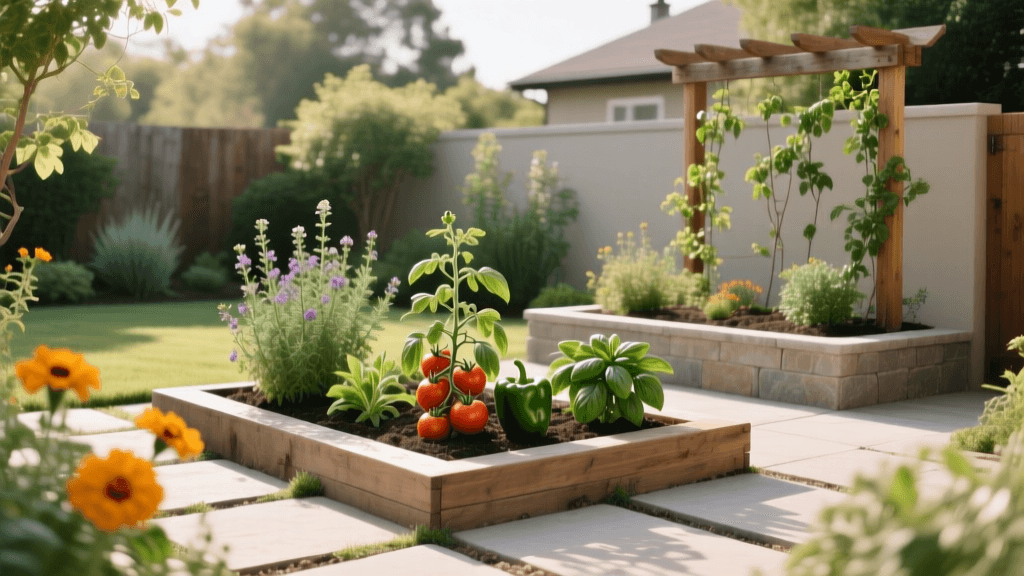
Landscape Design Strategies For Natural Pest Control
Integrating IPM into Landscape Architecture
When most homeowners think about landscape design, they envision lush lawns, vibrant flower beds, and elegant hardscaping. However, a truly successful landscape must also function as a defensive perimeter against common lawn and garden pests. Traditional landscaping practices often inadvertently create ideal habitats for insects, rodents, and fungi by providing excess moisture, dense shelter, and monoculture food sources. By shifting your perspective to include Integrated Pest Management (IPM) during the initial planning and design phases, you can naturally deter pests before they ever become a problem.
According to the Environmental Protection Agency (EPA), IPM is an effective and environmentally sensitive approach to pest management that relies on a combination of common-sense practices. In the context of landscape architecture, this means designing your yard to eliminate the core necessities pests seek: food, water, and shelter. By integrating biological controls, strategic planting, and physical barriers into your garden blueprint, you can drastically reduce your reliance on chemical pesticides while cultivating a thriving, resilient ecosystem.
Grading, Drainage, and Moisture Control
Moisture is the primary catalyst for a vast array of landscape pests. Mosquitoes breed in stagnant water, fungus gnats thrive in overwatered soil, and wood-destroying organisms like termites and carpenter ants are drawn to damp, decaying wood and saturated foundations. Proper grading and drainage are the unsung heroes of natural pest control.
During the planning phase, ensure that your yard is graded to direct water away from your home's foundation. A standard best practice is to maintain a 5% slope, which translates to a 6-inch drop over the first 10 feet extending outward from the foundation. For low-lying areas that naturally collect water, design features like rain gardens or French drains can be incorporated. A rain garden utilizes deep-rooted, moisture-tolerant native plants to absorb runoff, while a French drain—a gravel-filled trench containing a perforated pipe—redirects subsurface water away from vulnerable structures. Installing a French drain typically costs between $20 and $30 per linear foot, a worthwhile investment that prevents both structural water damage and the proliferation of moisture-loving pests.
Hardscaping and Structural Defenses
Hardscaping elements such as patios, retaining walls, and garden borders offer excellent opportunities to embed physical pest barriers into your design. Rodents like voles, moles, and gophers can decimate root systems and bulb plantings from below ground. To protect raised beds and vulnerable garden zones, line the bottom and sides of your structures with 1/4-inch galvanized hardware cloth. Bury the cloth at least 12 inches deep and extend it 6 inches above the soil line to prevent burrowing animals from bypassing the barrier.
When designing garden beds adjacent to your home, you must consider termite prevention. The EPA Termite Prevention Guidelines strongly recommend maintaining an 18-inch bare soil or gravel inspection strip between any mulch or soil and the foundation of your house. Instead of pushing mulch right up against the siding, design a perimeter border using crushed stone or pea gravel. This not only creates a modern, clean aesthetic but also establishes a dry, inhospitable zone that termites and carpenter ants are highly reluctant to cross. Furthermore, ensure that any wooden structures, such as pergolas or raised bed frames, are constructed from naturally rot-resistant woods like cedar or redwood, or use composite lumber that offers no nutritional value to wood-boring insects.
Strategic Plant Zoning and Companion Planting
Monocultures—large areas planted with a single species—are an open invitation for pests. If a specific insect favors a particular plant, a massive grouping provides an endless buffet, allowing populations to explode rapidly. Design your landscape with diverse plant zoning, mixing textures, heights, and species to disrupt pest foraging patterns.
Companion planting is a cornerstone of biological landscape design. By strategically placing certain plants together, you can utilize natural biochemical repellents and trap crops to protect your prized specimens. For example, planting pungent alliums near susceptible roses can mask the scent of the roses from aphids and Japanese beetles.
Companion Planting Matrix for Common Garden Pests
| Target Pest | Repellent / Trap Plant | Design Strategy & Planting Timing |
|---|---|---|
| Aphids & Japanese Beetles | Alliums (Garlic, Chives, Ornamental Onions) | Interplant among rose bushes and brassicas. Plant allium bulbs in the fall, 2-4 weeks before the ground freezes. |
| Root-Knot Nematodes | French Marigolds (Tagetes patula) | Use as a dense border or cover crop. Plant seeds outdoors in spring after the last frost date. |
| Cabbage Loopers & Moths | Thyme, Sage, and Dill | Plant along the perimeters of vegetable beds. The strong oils mask the scent of host crops. |
| Slugs & Snails | Lamb's Ear or Rosemary | Plant as a ground cover border. The fuzzy or needle-like foliage creates a physical barrier slugs avoid. |
| Colorado Potato Beetles | Horseradish or Tansy | Plant at the corners of potato or eggplant beds to act as a deterrent perimeter. |
Designing Habitats for Beneficial Predators
A truly balanced landscape does not aim to eradicate all insects; rather, it fosters a robust population of beneficial predators that keep pest numbers in check. To attract ladybugs, lacewings, parasitic wasps, and ground beetles, your design must include an 'insectary border' or pollinator strip. These beneficial insects require nectar and pollen to sustain their adult stages, as well as sheltered areas to overwinter.
Incorporate plants with small, clustered flowers, such as yarrow (Achillea), sweet alyssum, fennel, and dill, which are perfectly shaped for the short mouthparts of parasitic wasps and hoverflies. Additionally, leave a small, undisturbed corner of your yard with leaf litter and native bunchgrasses to serve as a beetle bank. Ground beetles are voracious nocturnal predators of slugs, snails, and caterpillar larvae. By providing them with daytime shelter, you ensure they remain in your garden to patrol the soil at night.
Smart Mulching and Soil Management
Mulch is essential for retaining soil moisture and suppressing weeds, but improper application is a leading cause of pest infestations. 'Volcano mulching'—piling mulch high against the base of tree trunks—traps moisture against the bark, inviting fungal pathogens, wood-boring insects, and rodents that chew on the cambium layer during winter.
When planning your mulching strategy, adhere to the 3-3-3 rule: apply a 3-inch layer of mulch, in a 3-foot diameter ring around the tree, keeping it 3 inches away from the trunk. For pest-prone areas, consider using cedar or cypress mulch. These wood varieties contain natural oils and resins, such as thujone, which act as mild repellents against ants, termites, and certain beetles. While cedar mulch is more expensive than dyed hardwood (averaging $4 to $6 per bag compared to $3 for hardwood), its natural pest-deterring properties and slower decomposition rate make it a superior choice for long-term IPM planning.
Long-Term Monitoring and Maintenance
Even the most meticulously designed landscape requires ongoing observation. The University of California Statewide Integrated Pest Management Program (UC IPM) emphasizes that regular scouting and monitoring are critical components of any IPM strategy. Design your garden with accessible pathways that allow you to easily inspect the undersides of leaves and the base of stems on a weekly basis. Install smart irrigation controllers with soil moisture sensors to prevent overwatering, ensuring that your landscape remains a vibrant, beautiful sanctuary for you, and a hostile environment for pests.