Home & Garden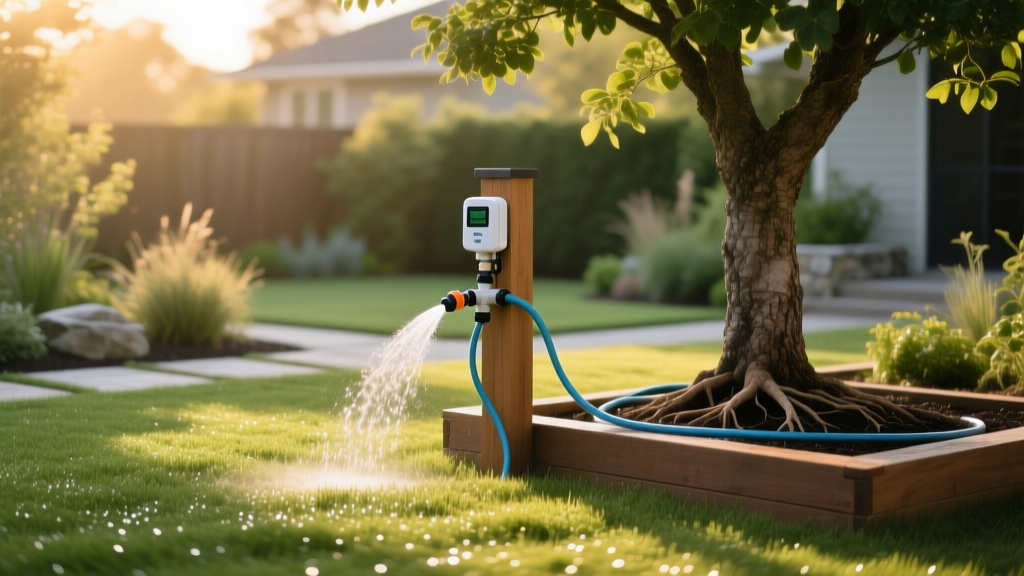
Landscaping Myths Busted: Smart Irrigation and Lawn Care Facts
Anna KowalskiPublished
Landscaping Myths vs. Facts: Separating Fiction from Outdoor Reality
When it comes to maintaining a lush, vibrant lawn and an energy-efficient outdoor living space, homeowners are often victims of well-meaning but ultimately harmful advice. Generational hand-me-down tips and outdated landscaping practices can lead to wasted water, damaged foundations, and struggling turf. In the modern era of smart home integration and eco-conscious gardening, it is time to separate fact from fiction.
Below, we debunk four of the most pervasive home and garden myths, providing actionable, science-backed strategies to optimize your irrigation, improve your soil health, and leverage energy-efficient landscaping techniques.
Myth 1: Watering Your Lawn Daily for 15 Minutes Keeps It Healthiest
The Fiction
Many homeowners believe that a quick, daily sprinkle keeps the grass hydrated and green, especially during the heat of summer. Setting a traditional timer for 15 minutes every morning feels like a responsible, proactive measure.
The Fact
Daily, shallow watering is one of the worst things you can do for your lawn. It encourages shallow root growth, making your grass highly susceptible to drought stress, heat damage, and fungal diseases. Furthermore, watering in the middle of the day leads to massive evaporation losses.
The Actionable Solution
Lawns require deep, infrequent watering to encourage roots to grow deep into the soil profile. Aim for 1 to 1.5 inches of water per week, including rainfall.
- The Tuna Can Trick: Place empty tuna cans (which are roughly 1 inch deep) across your lawn zones. Run your sprinklers until the cans are full to determine exactly how long your system takes to deliver 1 inch of water.
- Timing is Everything: Water between 4:00 AM and 8:00 AM. This minimizes evaporation and allows the grass blades to dry before evening, reducing the risk of fungal pathogens like brown patch disease.
- Upgrade to Smart Irrigation: Replace old timers with a smart weather-based controller. Devices like the Rachio 3 or Orbit B-hyve XR connect to local weather stations via Wi-Fi and automatically skip watering when rain is in the forecast.
According to the EPA WaterSense program, replacing a standard clock timer with a WaterSense labeled smart irrigation controller can save the average home nearly 7,600 gallons of water annually.
Myth 2: Leaving Grass Clippings on the Lawn Causes Thatch Buildup
The Fiction
A persistent myth in lawn care is that grass clippings left on the turf after mowing will accumulate, form a thick layer of thatch, and suffocate the lawn. Consequently, many gardeners spend hours bagging clippings and sending them to landfills.
The Fact
Grass clippings do not cause thatch. Thatch is a tightly woven layer of living and dead roots, stems, and rhizomes that accumulate between the soil surface and the green grass blades. Grass clippings are composed of 80% water and easily decompose within a few days, returning valuable nutrients to the soil.
The Actionable Solution
Embrace "grasscycling" to create a natural, garden-to-table loop for your soil's microbiome.
- Free Fertilizer: Clippings can return up to 25% of your lawn's annual nitrogen requirements back to the soil, reducing your need for synthetic fertilizers and saving you $50 to $100 per season.
- The 1/3 Rule: Never cut more than one-third of the grass blade at a single time. If your target height is 3 inches, mow when the grass reaches 4.5 inches.
- Equipment: Use a mulching mower or install a mulching blade. These blades chop clippings into micro-pieces that fall easily to the soil surface. For a detailed breakdown of turf management, refer to the University of Minnesota Extension guidelines on turfgrass recycling.
Myth 3: Planting Large Shade Trees Close to the House Cools It Best
The Fiction
To maximize shade and reduce summer air conditioning costs, homeowners often plant large, fast-growing shade trees just a few feet from their home's foundation or directly over the roofline.
The Fact
While shade does reduce cooling costs, planting trees too close to the house invites structural disaster. Tree roots can infiltrate and crack concrete foundations, disrupt underground plumbing, and heave driveways. Furthermore, overhanging branches can scrape and damage roofing shingles, while dropping leaves into gutters, leading to water damage and ice dams in winter.
The Actionable Solution
Strategic, energy-efficient landscaping requires long-term planning and proper spatial awareness.
- Proper Distance: Plant large shade trees (like Oaks or Maples) at least 15 to 20 feet away from your foundation. For medium trees, maintain a 10 to 15-foot buffer.
- Directional Planting: Plant deciduous trees on the south and west sides of your home. They will block the intense summer sun but drop their leaves in winter, allowing passive solar heat to warm your home.
- Windbreaks: Plant dense evergreen trees (like Spruce or Arborvitae) on the north and northwest sides to block harsh winter winds, which can lower winter heating bills by up to 15%. The U.S. Department of Energy highly recommends this microclimate approach for long-term home energy savings.
Myth 4: Smart Irrigation Systems Are Too Expensive and Complicated
The Fiction
Many DIY gardeners assume that smart home integration for outdoor irrigation is a luxury reserved for high-end estates or tech-savvy professionals, citing high upfront costs and confusing software.
The Fact
Smart irrigation technology has become highly democratized. Modern weather-based controllers and soil moisture sensors are affordable, feature intuitive smartphone apps, and pay for themselves in water savings within one to two seasons.
The Actionable Solution
Compare the options below to find the right smart upgrade for your garden's specific needs and budget.
| System Type | Estimated Cost | Best For | Water Savings Potential | Installation Time |
|---|---|---|---|---|
| Traditional Timer | $30 - $60 | Basic setups; manual overrides | 0% (Baseline) | 30 Minutes |
| Smart Weather-Based Controller | $99 - $250 | Regions with variable weather; tech-friendly users | Up to 50% | 45 - 60 Minutes |
| Soil Moisture Sensor Add-on | $40 - $80 | Heavy clay soils; shady yards with poor drainage | Up to 30% | 20 Minutes |
| Drip Irrigation + Smart Valve | $150 - $300 | Garden-to-table vegetable beds; flower borders | Up to 70% | 2 - 4 Hours |
Pro Tip: Before purchasing a smart controller, check with your local municipal water provider. Many cities offer rebates ranging from $50 to $100 for installing EPA WaterSense certified smart irrigation equipment, effectively cutting your hardware costs in half.
Conclusion: Audit Your Outdoor Space Today
Busting landscaping myths is about more than just maintaining curb appeal; it is about creating a sustainable, cost-effective, and thriving outdoor ecosystem. By adjusting your watering habits, leaving clippings on the lawn, planting trees at safe distances, and embracing smart home irrigation, you can save hundreds of dollars annually while conserving vital natural resources. Take a walk around your yard this weekend, audit your sprinkler zones, and start applying these proven facts to your home and garden routine.
