Gardening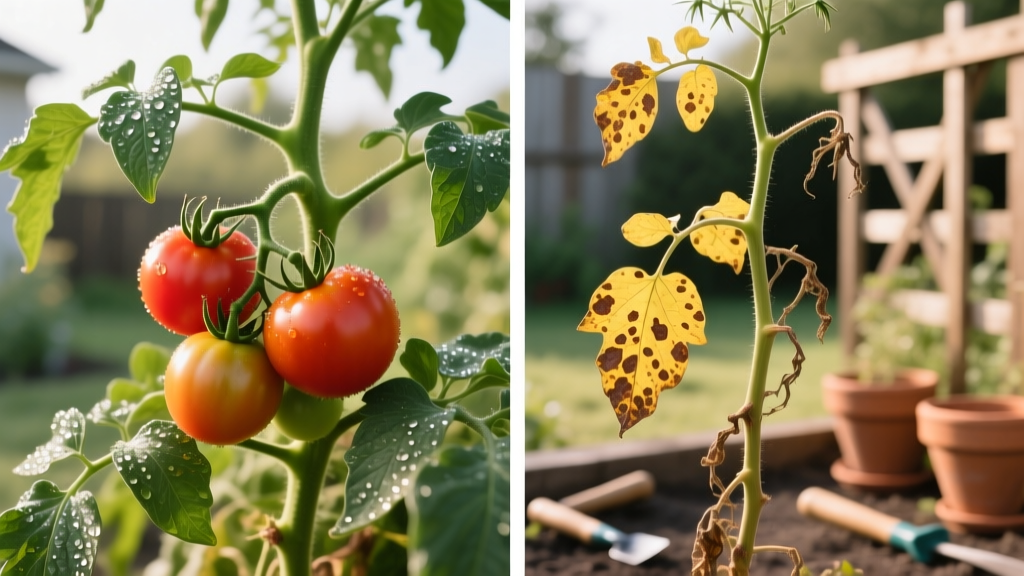
Late Summer Tomato Blight Prevention and Health Guide
Sarah ChenPublished
The Threat of Late Summer Tomato Blight
As the vibrant heat of July transitions into the humid, dew-heavy mornings of August and September, home gardeners face one of the most formidable threats to their vegetable harvest: tomato blight. This fungal and oomycete disease complex can decimate a thriving garden in a matter of days, turning lush green foliage into necrotic, blackened tissue and ruining ripening fruit. For the dedicated gardener focusing on seasonal maintenance and plant health, understanding the lifecycle, environmental triggers, and treatment protocols for blight is essential to securing a late-summer and early-fall harvest.
Tomato blight is not a single disease but rather a category that primarily includes Early Blight (Alternaria solani) and Late Blight (Phytophthora infestans). While Early Blight is a common fungal issue that slowly weakens plants, Late Blight is the notorious oomycete (water mold) responsible for the Irish Potato Famine. Late summer provides the perfect storm for these pathogens: warm days, cool nights, and heavy morning dews create the high-humidity microclimates where spores germinate and infect plant tissue rapidly.
Identifying the Enemy: Early vs. Late Blight
Accurate identification is the first step in any integrated pest and disease management strategy. Misdiagnosing blight can lead to ineffective treatments and wasted resources. Below is a structured comparison to help you identify which pathogen is attacking your nightshade crops.
| Feature | Early Blight (Alternaria solani) | Late Blight (Phytophthora infestans) |
|---|---|---|
| Pathogen Type | Fungus | Oomycete (Water Mold) |
| Leaf Symptoms | Dark brown spots with concentric rings (target-like) on older, lower leaves first. | Large, irregular, water-soaked pale green to grayish-black lesions, often with white fuzzy sporulation on the underside. |
| Stem Symptoms | Dark, sunken lesions, usually at leaf nodes. | Brown to black lesions that can quickly girdle and kill the entire stem. |
| Fruit Symptoms | Leathery, dark spots near the stem end, often with concentric rings. | Firm, greasy-looking, brownish-grey spots that quickly rot and emit a foul odor. |
| Weather Preference | Warm (75-85°F) and humid. | Cool to moderate (60-70°F) with heavy moisture, rain, or prolonged dew. |
| Speed of Spread | Slow to moderate; progresses upward over weeks. | Extremely rapid; can destroy an entire plant or field in 5-7 days. |
Late Summer Seasonal Maintenance Protocols
Prevention is vastly superior to cure when managing blight. By late summer, your tomato plants are large, heavily fruited, and densely canopied. This density restricts airflow and traps moisture, creating an ideal incubator for fungal spores. Implementing strict seasonal maintenance routines in August can significantly reduce disease pressure.
Strategic Pruning and Airflow Management
One of the most effective cultural controls is aggressive, targeted pruning. By late summer, you should remove all foliage and lateral branches from the bottom 12 to 18 inches of the tomato plant. This prevents soil-borne spores from splashing onto the lower leaves during watering or rainstorms. Furthermore, thin out the interior canopy to allow wind to penetrate and dry the leaves quickly after morning dew. Always prune during the driest part of the day, and sterilize your bypass pruners between every single cut using 70% isopropyl alcohol or a 10% bleach solution to prevent cross-contamination.
Precision Irrigation and Mulching
Overhead watering is a death sentence for tomatoes in late summer. Transition entirely to drip irrigation or soaker hoses, delivering 1.5 to 2 inches of water per week directly to the root zone. Keep the foliage completely dry. Additionally, ensure you have a 2 to 3-inch layer of organic mulch (such as straw, shredded leaves, or pine needles) covering the soil around the base of the plant. This mulch barrier acts as a physical shield, preventing rain from splashing Alternaria spores from the soil surface onto the lower leaves.
Fungicide Applications: Products, Timing, and Costs
When environmental conditions are highly favorable for blight (prolonged rain, high humidity), organic and synthetic fungicides become necessary tools in your seasonal health arsenal. The key to success is preventative application and active ingredient rotation to prevent pathogen resistance.
Here is a breakdown of common fungicides, their application rates, and estimated costs for the home gardener:
- Copper Octanoate (e.g., Bonide Liquid Copper Fungicide): An organic-approved bactericide and fungicide. Best for Early Blight suppression. Rate: 2 tablespoons per gallon of water. Cost: ~$15 per 16 oz bottle. Frequency: Every 7-10 days.
- Chlorothalonil (e.g., Daconil Fungicide): A broad-spectrum synthetic contact fungicide highly effective against both Early and Late Blight. Rate: 1 tablespoon per gallon of water. Cost: ~$12 per 32 oz bottle. Frequency: Every 7-14 days. Do not exceed 18 applications per season.
- Bacillus subtilis (e.g., Serenade Garden Disease Control): A biological, organic fungicide that uses beneficial bacteria to outcompete pathogens. Rate: 4 tablespoons per gallon of water. Cost: ~$25 per 32 oz bottle. Frequency: Every 7 days.
Pro Tip: Always add a non-ionic surfactant or a few drops of mild liquid dish soap to your fungicide mixture. This breaks the surface tension of the water, ensuring the spray coats the waxy tomato leaves evenly rather than beading up and rolling off.
End-of-Season Sanitation and Soil Health
As the growing season concludes, how you handle blighted plant material dictates the health of your garden for the next three years. Alternaria solani spores can overwinter in garden debris and soil. Never compost blighted tomato or potato plants. Home compost piles rarely reach the sustained 140°F-160°F temperatures required to kill these hardy spores. Instead, bag all infected plant material and dispose of it in the municipal trash, or burn it where local ordinances permit.
For beds that suffered severe Late Blight infections, consider soil solarization. After clearing all debris, moisten the soil and cover the bed with 2 to 4-mil clear plastic sheeting. Bury the edges to trap the heat. Leave the plastic in place for 4 to 6 weeks during the hottest part of the late summer or early fall. This process can raise soil temperatures to over 120°F, effectively pasteurizing the top layer of soil and destroying many soil-borne pathogens, nematodes, and weed seeds.
Expert Insights and Citations
Managing Late Blight requires vigilance and an understanding of regional outbreaks. According to the Cornell University College of Agriculture and Life Sciences (CALS), Phytophthora infestans cannot survive in dead plant debris in freezing climates; it requires living host tissue to overwinter. Therefore, the primary sources of late summer inoculum are infected potato culls left in the field or volunteer potato/tomato plants that emerge from last year's tubers.
'The most critical step in managing late blight is eliminating sources of initial inoculum. Destroy all volunteer tomato and potato plants, and ensure that potato tubers are not left in the garden to sprout the following spring. Monitoring regional extension alerts for late blight warnings can help growers time their preventative fungicide applications perfectly.'
— Cornell University Vegetable Program, Integrated Pest Management Guidelines
Companion Planting for Preventative Health
While companion planting will not cure an active blight infection, integrating specific plants into your seasonal garden layout can improve overall plant health and deter secondary pests that weaken tomatoes, making them more susceptible to disease. Planting French Marigolds (Tagetes patula) densely around the base of tomatoes releases alpha-terthienyl into the soil, which suppresses root-knot nematodes. Healthy, unstressed root systems are better equipped to uptake the calcium and potassium necessary to build thick, disease-resistant cell walls in tomato foliage. Additionally, interplanting garlic and alliums provides natural sulfur compounds that mildly inhibit fungal spore germination on neighboring leaves.
Frequently Asked Questions About Tomato Blight
Can I eat tomatoes from a plant that has Early Blight?
Yes. Early Blight primarily affects the foliage and stems. As long as the fruit itself is free from dark, leathery lesions and appears healthy, it is perfectly safe to harvest, wash, and consume. However, the plant's overall yield may be reduced due to the loss of photosynthetic leaf area.
Will crop rotation prevent Late Blight?
Crop rotation is highly effective for Early Blight and soil-borne wilts, but Late Blight spores are windborne and can travel for miles on moist air currents. While rotating your nightshade crops (tomatoes, peppers, eggplants, potatoes) to a new bed every 3 years is a vital seasonal health practice, it will not stop a regional Late Blight outbreak from reaching your garden. This is why preventative fungicide sprays during humid weather windows are critical.
How long should I wait to harvest after spraying Chlorothalonil?
Always read the specific product label, but most synthetic Chlorothalonil products have a Pre-Harvest Interval (PHI) of 0 to 1 day for tomatoes. This means you can spray and harvest the next day, provided you wash the fruit thoroughly with clean water before consumption. Copper-based organic sprays typically have a 0-day PHI as well.
Conclusion
Defending your garden against late summer tomato blight requires a multi-faceted approach rooted in seasonal maintenance. By combining strategic pruning, precise drip irrigation, proactive fungicide rotation, and rigorous end-of-season sanitation, you can protect your harvest and maintain the long-term health of your garden soil. Stay vigilant, monitor local extension reports, and act at the very first sign of disease to ensure your tomatoes thrive well into the autumn harvest.
