
Landscaping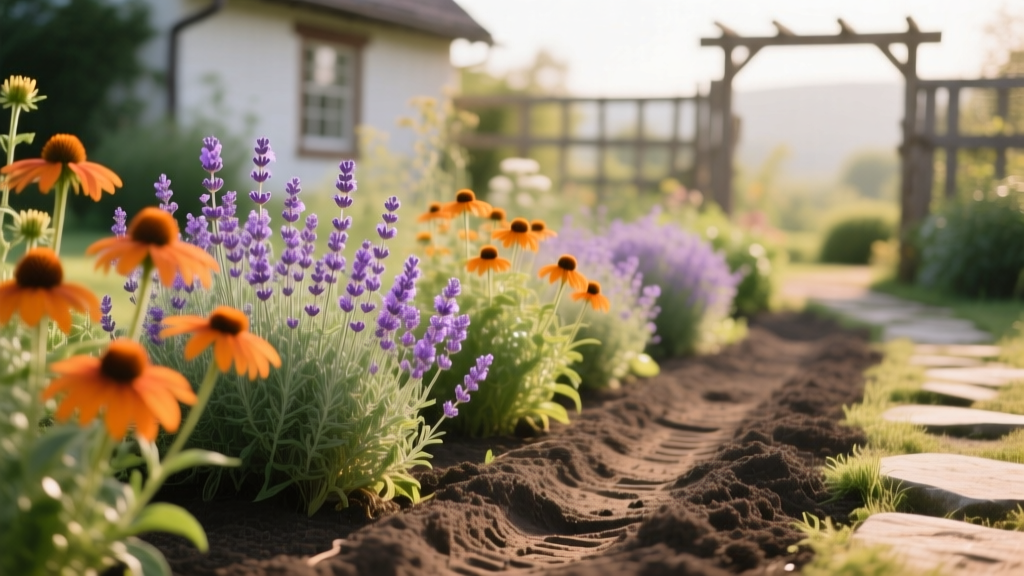
2026 Cottage Garden Borders: Aeration & Seeding For Lavender
James MillerPublished
The 2026 Cottage Garden: Where Design Meets Soil Science
As we navigate the landscaping trends of 2026, the traditional cottage garden has evolved. It is no longer just a chaotic, romantic jumble of blooms; it is a highly curated, ecologically functional ecosystem. At the heart of this movement are the classic lavender (Lavandula angustifolia) and purple coneflower (Echinacea purpurea) borders. These staples provide year-round structure, support vital pollinator populations, and offer unparalleled curb appeal. However, the most common point of failure in modern cottage garden design is not the plant selection itself, but the soil architecture beneath them. This is where the intersection of aesthetic border design and the turf-management sciences of aeration and seeding becomes absolutely critical.
Many homeowners and landscape architects overlook the transition zones and the underlying soil structure when installing cottage borders. By applying professional aeration techniques and strategic overseeding of eco-friendly groundcovers, you can create a seamless, thriving landscape that protects your prized perennials from the two biggest threats of 2026's erratic weather patterns: drought stress and root-rotting waterlogging.
The Hidden Enemy: Soil Compaction in Border Zones
Soil compaction is the silent killer of cottage garden borders. Whether caused by the heavy machinery used during initial hardscaping, years of foot traffic along garden paths, or the intense, pounding rainfall events that have become more frequent in recent years, compacted soil loses its vital pore space. According to the University of Minnesota Extension, compacted soils restrict root growth, limit water infiltration, and drastically reduce the oxygen available to soil microbes and plant roots. For the deep-rooted perennials that define a cottage garden, this is a death sentence.
When the soil surrounding your lavender and coneflower beds becomes compacted, water pools on the surface or runs off into your hardscaping, rather than percolating deeply into the earth. This creates a paradoxical environment where plants can suffer from drought stress in the summer and root rot in the spring, simply because the water cannot move through the soil profile correctly.
Why Lavender Demands Perfect Aeration
Lavender is a Mediterranean native that thrives in lean, alkaline, and exceptionally well-drained soils. The number one killer of lavender in residential landscapes is not winter cold, but 'wet feet'—a condition where the roots sit in cold, stagnant, compacted soil, leading to fatal fungal infections like Phytophthora. The Royal Horticultural Society (RHS) emphasizes that perfect drainage is non-negotiable for lavender cultivation.
Core aeration around the periphery of your lavender borders physically breaks up the hardpan layers of clay and silt. By extracting small plugs of soil, you create vertical channels that allow excess spring rainfall to drain rapidly away from the lavender's shallow, fibrous root system. In 2026, the best practice is to use a manual step aerator or a lightweight, narrow-tined electric aerator along the border edges to relieve compaction without severing the delicate surface roots of the established shrubs.
Coneflowers and the Taproot Challenge
Purple coneflowers are remarkably resilient, but their establishment relies entirely on their ability to drive a thick, woody taproot deep into the earth. This taproot is what allows Echinacea purpurea to survive severe mid-summer droughts and return vigorously year after year. As noted by the Missouri Botanical Garden, coneflowers prefer well-drained soils and can struggle to establish in heavy, unamended clay.
If the soil beneath your cottage border is compacted, the coneflower's taproot will hit the hardpan layer, curl horizontally, and become stunted. This results in weak, floppy plants that require staking and are highly susceptible to winter heaving. Deep-tine aeration, or the use of a broadfork in the preparation phases of your border design, shatters this hardpan, giving the coneflower's taproot the physical clearance it needs to anchor deeply and access subsoil moisture.
Seeding the Cottage Garden Eco-Transition
The 2026 landscaping paradigm has shifted away from bare, heavily mulched borders that require constant replenishment. Instead, modern cottage garden design incorporates 'eco-transitions'—living, seeded groundcovers that bridge the gap between your main lawn and the towering lavender and coneflower borders. Overseeding these transition zones with drought-tolerant, low-growing seed mixes suppresses weeds, retains soil moisture, and provides a lush, verdant frame for your perennials.
Overseeding requires prior aeration. The holes created by the aeration process serve as perfect micro-nurseries for your new seeds, protecting them from birds and washing away while placing them in direct contact with the soil. By combining aeration with strategic seeding, you build a living mulch that naturally aerates the soil year after year through its own root expansion and decay cycles.
2026 Eco-Transition Seed Mix Comparison
Choosing the right seed mix for your border transition zone is vital. The plants must be low-growing enough not to shade out the base of your lavender, yet robust enough to handle foot traffic and compete with weeds. Below is a comparison of the top 2026 eco-border seed mixes:
| Seed Type | Best For | Water Needs | Maintenance Level |
|---|---|---|---|
| Micro-Clover Blend | Sunny borders, nitrogen fixation | Low (once established) | Very Low (no mowing required) |
| Creeping Thyme | Rock edges, lavender bases | Very Low | Low (occasional trimming) |
| Hard Fescue Mix | Shaded coneflower transitions | Moderate | Medium (mow 2x per year) |
| Chamomile Lawn Seed | Fragrant pathways, light traffic | Moderate | Medium (requires rolling) |
Step-by-Step Aeration and Seeding Protocol for Borders
To successfully integrate aeration and seeding into your cottage garden design, follow this proven 2026 protocol:
Step 1: Timing and Moisture Testing
The ideal time to aerate and seed cool-season transition zones is early fall (late August to mid-September), allowing seeds to establish before winter. For warm-season groundcovers like creeping thyme, late spring is optimal. Ensure the soil is moist but not waterlogged. Water the border edges deeply two days before you plan to aerate.
Step 2: Precision Core Aeration
Using a manual core aerator (to avoid damaging the crowns of your lavender and coneflowers with heavy machinery), pull plugs along the entire transition zone, extending about 18 inches out from the base of the border plants. Leave the soil plugs on the surface to break down naturally; they will return valuable microbes and organic matter to the soil.
Step 3: Targeted Topdressing
For the zone immediately adjacent to the lavender, sweep a 50/50 mix of coarse horticultural sand and compost into the aeration holes. This permanently improves the drainage profile, mimicking the lavender's native Mediterranean habitat. For the coneflower zones, a pure compost topdressing will provide the rich organic matter they appreciate.
Step 4: Overseeding and Hydration
Broadcast your chosen eco-transition seed mix over the aerated and topdressed soil. Use a lawn roller or simply walk over the area to ensure firm seed-to-soil contact. Water lightly and consistently—keeping the top inch of soil moist until germination occurs, which typically takes 7 to 14 days depending on the 2026 seed varieties used.
Long-Term Maintenance for a Thriving Ecosystem
Once your cottage garden borders and seeded transition zones are established, maintenance is remarkably low. Avoid using synthetic, high-nitrogen fertilizers near the borders, as excess nitrogen will cause your lavender to become leggy and produce fewer essential oils, and will cause coneflowers to produce excessive foliage at the expense of blooms. Instead, rely on the natural nitrogen-fixing properties of your micro-clover transition zones to feed the soil biology.
Perform a light, shallow aeration every two years in high-traffic areas near the garden paths to prevent the soil from re-compacting. By viewing your cottage garden not just as a collection of beautiful plants, but as a living, breathing soil ecosystem, you ensure that your lavender and coneflower borders will remain the vibrant, fragrant centerpiece of your landscape for decades to come.

