
Landscaping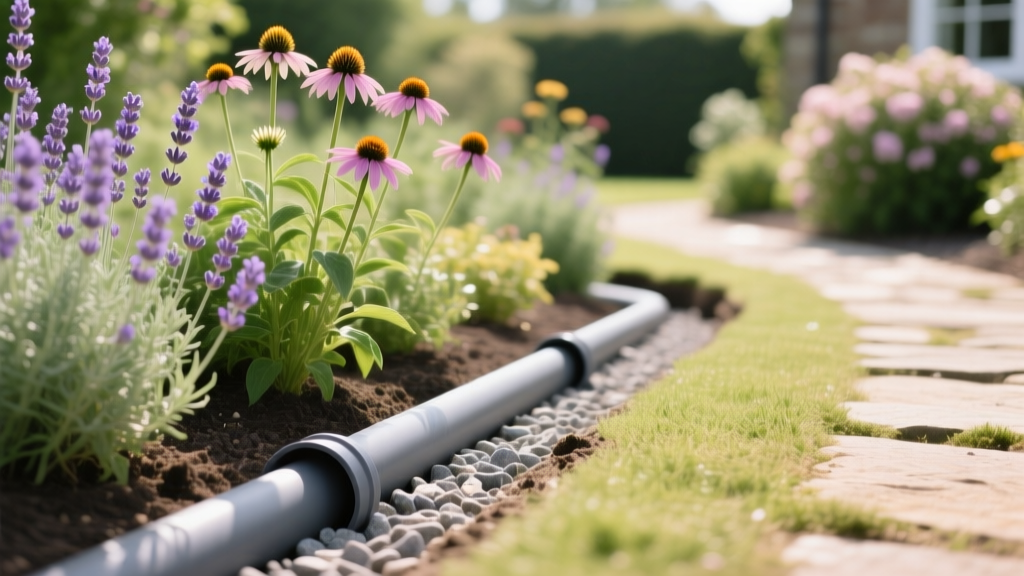
2026 Landscape Drainage Pipes For Lavender Garden Borders
Sarah ChenPublished
The 2026 Cottage Garden Revival: Beauty Meets Subsurface Engineering
The quintessential cottage garden is experiencing a massive resurgence in 2026, with homeowners favoring the romantic, slightly wild aesthetics of traditional English borders. At the heart of this design trend are two undisputed champions: fragrant lavender (Lavandula) and vibrant purple coneflowers (Echinacea purpurea). Together, they create a stunning visual and olfactory experience that attracts pollinators and elevates curb appeal. However, the secret to a thriving cottage garden in 2026 is not just selecting the right cultivars; it is mastering what happens beneath the soil. Unpredictable spring downpours and shifting climate patterns mean that subsurface water management is more critical than ever. This is where the strategic installation of landscape drainage pipes becomes the unsung hero of your garden design.
While cottage gardens are meant to look effortless, the infrastructure supporting them requires precise planning. Lavender and coneflowers are notoriously intolerant of 'wet feet.' When water pools around their root systems, it rapidly leads to fungal diseases, crown rot, and ultimately, plant death. By integrating high-performance landscape drainage pipes into your garden bed planning, you can safeguard your investment and ensure your borders remain lush, dry, and vibrant throughout the growing season.
Why Lavender and Coneflowers Demand Flawless Drainage
To understand why drainage pipes are non-negotiable for these specific plants, we must look at their native habitats and horticultural requirements. Lavender originates from the rocky, arid, and well-draining slopes of the Mediterranean. It thrives in alkaline, gritty soils where water passes through almost instantly. According to horticultural experts at the University of Minnesota Extension, lavender requires exceptionally well-drained soil to survive, noting that heavy, water-retentive clay soils are the primary cause of lavender failure in residential landscapes. When the root zone remains saturated for more than 24 hours, the plant suffocates and becomes highly susceptible to pathogens like Phytophthora.
Purple coneflowers, while slightly more adaptable to varied North American soil types, still demand excellent drainage to prevent root rot and aster yellows disease. In a cottage garden border, these plants are often grouped densely to create a 'drift' of color. This dense planting strategy, while visually striking, can exacerbate soil compaction and slow surface water infiltration. By installing a subsurface French drain system utilizing perforated landscape drainage pipes, you actively lower the water table within the root zone, pulling excess moisture away from the crowns of your plants and directing it to a safe discharge area.
Choosing the Right Landscape Drainage Pipe in 2026
The landscape drainage industry has evolved significantly, and the pipes available in 2026 offer superior flow rates, durability, and eco-friendly material compositions. When designing a drainage system specifically for shallow-rooted perennials like lavender and coneflowers, you must balance water capture efficiency with the physical footprint of the trench. Below is a comparison of the top landscape drainage pipe options for cottage garden borders this year.
| Pipe Type | Material Composition | Best Application in Cottage Borders | 2026 Avg Cost (per 10ft) |
|---|---|---|---|
| Corrugated Slotted Pipe | High-Density Polyethylene (HDPE) | Standard French drains; flexible for curving garden beds. | $14 - $18 |
| Perforated PVC (Schedule 40) | Rigid Polyvinyl Chloride | Deep trenches near hardscaping; high crush resistance. | $28 - $35 |
| Aggregate-Filled Pipe (e.g., EZ-Flow) | Polystyrene Aggregate & Geotextile | Shallow, narrow trenches directly adjacent to lavender roots. | $38 - $48 |
For most cottage garden borders, the industry standard remains the sock-wrapped corrugated slotted pipe due to its flexibility. Cottage gardens rarely feature straight lines; their beauty lies in sweeping curves and organic shapes. Corrugated pipe bends easily to follow the contour of a coneflower drift without requiring multiple elbow fittings. However, if your border runs parallel to a heavy stone retaining wall or a high-traffic pathway, rigid perforated PVC is recommended to prevent crushing. Leading manufacturers like NDS Landscape Drainage consistently recommend matching the pipe's structural integrity to the anticipated soil load and surface traffic above the trench.
Step-by-Step Installation Beneath Cottage Borders
Installing a drainage pipe system in an existing or newly planned cottage garden requires a delicate touch to preserve soil structure and protect plant health. Follow these actionable steps to ensure a professional-grade installation in 2026.
Step 1: Mapping the Route and Establishing Grade
Water flows downhill, and your drainage pipe must follow a strict minimum slope of 1% (a 1-inch drop for every 8 feet of pipe). Use a laser level or a digital transit level to map the trench route. For a lavender border, position the trench roughly 12 to 18 inches behind the primary planting line. This intercepts subsurface water migrating from the lawn or hardscape before it reaches the lavender's sensitive root ball.
Step 2: Trenching with Care
Dig a trench that is 12 inches wide and 14 to 18 inches deep. If you are working in an established garden, use a narrow trenching spade to minimize disruption to neighboring coneflower roots. Remove all heavy clay from the excavated soil; you will not be using this native soil for backfilling the immediate pipe zone.
Step 3: Lining and Bedding
Line the trench with a high-quality, non-woven geotextile landscape fabric. This fabric is crucial—it allows water to pass through while preventing fine silt and clay particles from clogging the pipe's perforations. Once lined, add a 2-inch base layer of 3/4-inch washed, angular gravel. Avoid rounded river rock, as angular gravel locks together and provides a more stable bed for the pipe.
Step 4: Pipe Placement and Connection
Lay your chosen landscape drainage pipe on the gravel bed, ensuring the perforations (if using rigid PVC) are facing downward. This counterintuitive placement allows water to rise into the pipe from the saturated soil below, preventing sediment from washing directly into the holes. Snap the corrugated fittings together securely, or prime and glue PVC joints. Ensure the pipe daylighting point or dry well connection is secure.
Step 5: Gravel Encasement and Fabric Wrapping
Cover the pipe with another 4 to 6 inches of washed gravel. Fold the excess geotextile fabric over the top of the gravel, creating a complete 'burrito' wrap. This encapsulation ensures that the surrounding backfill soil cannot migrate into the gravel matrix and compromise the drain's hydraulic conductivity.
Step 6: Backfilling and Soil Amendment
Fill the remaining trench depth with a highly porous soil mix. For lavender and coneflowers, blend 50% native topsoil with 25% coarse horticultural sand and 25% composted pine bark. This amended backfill not only restores the ground level but creates a fast-draining microclimate that perfectly suits your cottage garden perennials.
Integrating Hardscaping and Concealing Drainage Outlets
A common concern among landscape designers is that drainage outlets will ruin the rustic, natural aesthetic of a cottage garden. Fortunately, 2026 offers several elegant solutions for managing the water that your pipes collect without sacrificing visual appeal.
Instead of leaving an ugly plastic pipe end exposed at the bottom of a slope, utilize a pop-up drainage emitter. These devices remain flush with the ground and hidden beneath mulch or low-growing creeping thyme. Only when the drainage pipe fills with water does the emitter pop up to release the flow, retracting once the system empties. Alternatively, route your landscape drainage pipe into a subterranean dry well filled with crushed stone, allowing the water to slowly percolate back into the deep aquifer. The EPA WaterSense Landscaping guidelines heavily advocate for on-site stormwater infiltration methods like dry wells, noting their critical role in reducing municipal runoff and recharging local groundwater supplies.
Maintenance and 2026 Climate Considerations
While subsurface landscape drainage pipes are largely 'install and forget,' the extreme weather events characterizing the 2026 climate demand a proactive maintenance approach. Heavy, localized micro-bursts can overwhelm standard 4-inch pipes if the intake areas are blocked.
Twice a year—once in early spring before the coneflowers break dormancy, and once in late autumn after the lavender has been pruned—inspect your drainage outlets. Flush the system using a garden hose pushed into the accessible cleanout points. This high-pressure blast will dislodge any fine root hairs or silt that may have breached the geotextile fabric. Additionally, monitor the soil moisture in your cottage borders using a digital soil probe. If the soil remains soggy 48 hours after a rainstorm, it may indicate that the gravel matrix has silted over, requiring a trench excavation and gravel replacement.
Conclusion
Designing a breathtaking cottage garden with lavender and coneflower borders requires more than just an eye for color and texture; it requires a foundational understanding of landscape hydrology. By investing in high-quality landscape drainage pipes and executing a precise French drain installation, you create an invisible insurance policy for your plants. You ensure that the Mediterranean legacy of the lavender and the prairie resilience of the coneflower are respected, allowing them to thrive in your yard regardless of the weather. In 2026, the most beautiful gardens are those where horticultural artistry and subsurface engineering work in perfect, hidden harmony.

