Pest Control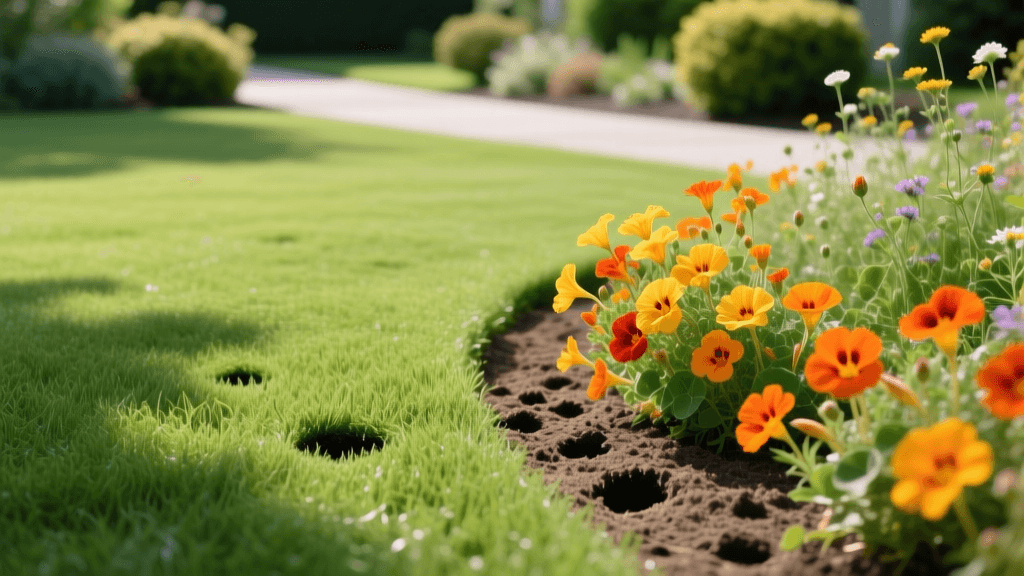
2026 Lawn Aeration, Seeding & Marigold Companion Pest Control
The 2026 Approach to Integrated Turf and Border Pest Management
In the evolving landscape of home lawn care, the year 2026 marks a definitive shift away from broad-spectrum chemical pesticides toward holistic, ecologically balanced Integrated Pest Management (IPM). Homeowners and turf professionals alike are recognizing that a truly pest-resistant yard requires a dual approach: cultivating dense, vigorous turf through proper aeration and seeding, while simultaneously establishing strategic companion planting borders using pest-repellent flora. By combining the mechanical benefits of core aeration and overseeding with the biological warfare capabilities of marigolds and nasturtiums in your perimeter beds, you can create a unified, self-regulating ecosystem that naturally deters grubs, nematodes, and aphids.
This comprehensive guide explores the synergy between turfgrass establishment and companion border planting, providing actionable, 2026-current protocols to transform your lawn and garden into a fortress against common landscape pests.
Why Aeration and Seeding Are Your First Line of Defense
Before addressing the flower borders, we must address the lawn itself. Soil compaction is the silent enemy of turf health and the primary catalyst for pest infestations. Compacted soil restricts oxygen flow, impedes water infiltration, and forces grass roots to remain shallow. Weak, shallow-rooted turf is highly susceptible to surface-feeding insects like chinch bugs and sod webworms, as well as root-feeding grubs.
Core aeration physically removes 3-inch soil plugs, alleviating compaction and allowing vital nutrients to reach the root zone. When paired with overseeding—specifically using modern, endophyte-enhanced grass seed blends available in 2026—you introduce beneficial fungi into the grass blades. These endophytes produce alkaloids that are toxic to surface-feeding insects, drastically reducing the need for chemical interventions. A dense, deeply rooted lawn leaves no physical space or biological opportunity for weeds and pests to establish.
The Role of Marigolds and Nasturtiums in Perimeter Pest Control
While a healthy lawn deters turf-specific pests, the perimeter beds and garden islands surrounding your lawn are often vulnerable to soil-borne nematodes and sap-sucking aphids. This is where strategic companion planting becomes essential.
Marigolds: The Nematode Suppressors
French Marigolds (Tagetes patula) and African Marigolds (Tagetes erecta) are not merely decorative; they are biochemical powerhouses. The roots of specific marigold varieties exude a compound called alpha-terthienyl, which is highly toxic to root-knot nematodes and lesion nematodes. According to the University of Minnesota Extension, planting dense stands of marigolds in your garden borders can significantly reduce nematode populations in the soil, protecting nearby ornamentals and vegetable gardens from these microscopic root-destroyers.
Nasturtiums: The Ultimate Trap Crop
Nasturtiums (Tropaeolum majus) serve a completely different but equally vital role in your IPM strategy. Rather than repelling pests, nasturtiums act as a highly attractive "trap crop." Aphids, whiteflies, and squash bugs strongly prefer the taste of nasturtium foliage over most other garden plants. By planting nasturtiums along the outer edges of your lawn borders, you draw these pests away from your prized ornamentals and turf edges. The NC State Extension Plant Database highlights nasturtiums for their rapid growth, ground-covering ability, and effectiveness in luring aphids away from vulnerable crops, making them an indispensable tool in organic pest management.
Step-by-Step: Aerating, Seeding, and Planting Companions
To successfully integrate turf renovation with companion border planting, timing and soil preparation are critical. Follow this 2026 protocol for optimal results.
Step 1: Soil Testing and Amendment
Begin by testing the soil in both your lawn and your perimeter beds. Lawns typically require a pH between 6.0 and 7.0, while marigolds and nasturtiums thrive in slightly acidic to neutral soil (6.0 to 7.5). Apply organic compost to both areas to improve microbial activity before aeration.
Step 2: Core Aeration of Turf and Broadforking Beds
Rent a heavy-duty core aerator for your lawn. Make two passes in perpendicular directions to ensure maximum soil fracture. Leave the soil plugs on the lawn to decompose and return microbes to the surface. For the adjacent flower beds where you will plant your companions, avoid using a rototiller, which destroys the soil's fungal network. Instead, use a broadfork to gently aerate the bed soil to a depth of 8 inches, preserving the soil microbiome while improving drainage.
Step 3: Overseeding with Endophyte-Enhanced Blends
Immediately after aerating the lawn, overseed with a 2026-certified endophyte-enhanced Tall Fescue or Perennial Ryegrass blend. Apply seed at a rate of 8 to 10 pounds per 1,000 square feet for overseeding. The endophytes will ensure that the new grass blades are naturally resistant to chinch bugs and billbugs.
Step 4: Sowing Marigolds and Nasturtiums
In the broadforked perimeter beds, sow French Marigold seeds (varieties like 'Nemagold' or 'Petite Gold' are best for nematode control) in dense blocks rather than single rows. Plant nasturtium seeds (varieties like 'Alaska' or 'Jewel Mix') along the extreme outer edges of the beds to act as the first line of interception for flying aphids.
2026 Seasonal Timing Chart
Coordinating the germination of turfgrass with the establishment of companion plants requires strict adherence to seasonal timing. The following table outlines the ideal schedule for temperate climates in 2026.
| Season | Lawn Action (Aeration & Seeding) | Companion Border Action | Target Pest Prevention |
|---|---|---|---|
| Early Fall (Late Aug - Sept) | Core aeration and overseeding cool-season grasses. | Transplant established marigold plugs for late-season nematode suppression. | Prevents fall grub damage; suppresses overwintering nematodes. |
| Mid-Spring (April - May) | Light aeration and spot-seeding bare turf patches. | Direct-sow nasturtium seeds after last frost; sow marigold seeds. | Nasturtiums trap spring aphid migrations; turf resists spring billbugs. |
| Summer (June - July) | No aeration. Maintain mowing height at 3.5 inches. | Deadhead marigolds; allow nasturtiums to sprawl as living mulch. | Shade soil to deter surface pests; trap crops intercept whiteflies. |
Pest Repellency and Trap Cropping Data
Understanding the specific biochemical and behavioral mechanisms of your companion plants ensures you are planting the right species for your specific pest pressures. The University of California IPM program extensively documents the efficacy of these botanical interventions.
- Root-Knot Nematodes: Suppressed by French Marigold (Tagetes patula) root exudates. Requires dense planting for 2-3 months to effectively cleanse the border soil.
- Aphids: Diverted by Nasturtiums. The trap crop must be monitored and heavily infested stems should be pruned and disposed of in sealed bags to prevent population spillover.
- Whiteflies: Repelled by the strong scent profile of African Marigolds (Tagetes erecta), protecting nearby tender ornamentals.
- Surface Turf Insects: Deterred by the alkaloids produced by endophyte-enhanced grass seed sown during the aeration process.
Maintenance and Irrigation Synergy
The most challenging aspect of combining lawn seeding with companion border planting is coordinating irrigation. Newly overseeded lawns require frequent, shallow watering—typically 2 to 3 light applications per day for the first 14 days to keep the seedbed consistently moist. Marigold and nasturtium seeds, however, are prone to rot if subjected to constant surface saturation.
To solve this in 2026, smart irrigation controllers with hydro-zoning capabilities are essential. Set your turf zones to pulse-watering schedules. For the perimeter beds, utilize drip irrigation lines buried beneath a 2-inch layer of organic mulch. This delivers targeted moisture directly to the roots of your marigolds and nasturtiums without waterlogging the surface or promoting fungal diseases like damping-off. Once the turfgrass reaches 3 inches in height and the companion plants are established, transition both zones to deep, infrequent watering cycles to encourage drought tolerance and deep root growth.
Conclusion
Effective pest control in the modern landscape is no longer about reactive chemical applications; it is about proactive ecosystem design. By executing a rigorous lawn aeration and overseeding regimen, you build a dense, endophyte-protected turf that naturally resists surface and subsurface turf pests. By simultaneously preparing your perimeter beds and sowing marigolds and nasturtiums, you deploy a biological shield that neutralizes nematodes and traps aphids before they can threaten your property. Embracing these integrated aeration, seeding, and companion planting strategies in 2026 will yield a lawn and garden that are not only visually stunning but ecologically resilient and naturally pest-resistant.