Lawn Care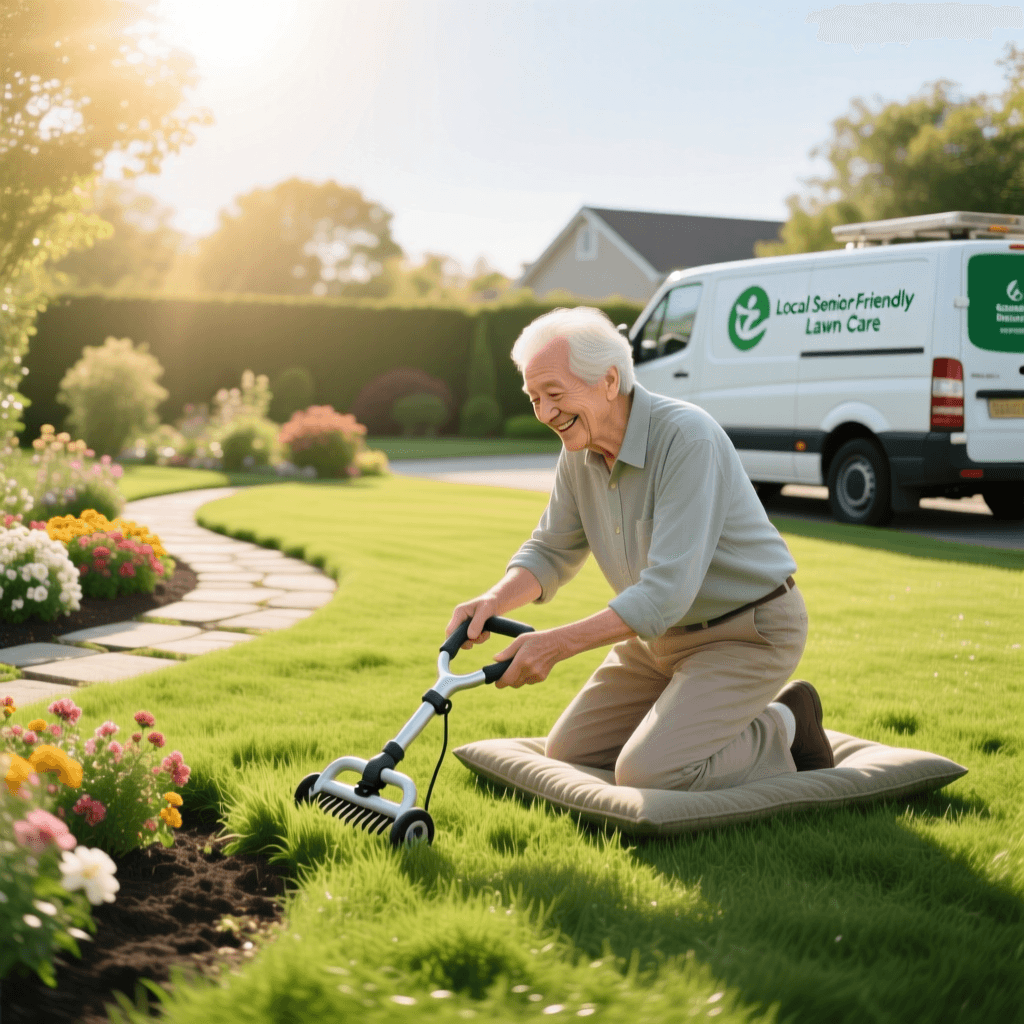
The Complete Guide to Lawn Care for Seniors: Local Services, Adaptive Tools & Low-Maintenance Tips
Aging brings a lifetime of wisdom, cherished memories, and often, a deep emotional connection to the home and garden we have cultivated over the decades. However, the physical demands of maintaining a pristine yard can eventually become overwhelming. Pushing heavy mowers, bending to pull weeds, and hauling bags of mulch are tasks that can lead to fatigue, joint pain, or even serious injury for older adults. If you or a loved one are searching for "lawn care for seniors near me," you are not alone. Millions of seniors face the dilemma of wanting to keep their property beautiful while acknowledging their changing physical limitations.
Fortunately, maintaining a safe, attractive, and healthy lawn in your golden years is entirely possible. Whether you are looking to hire trustworthy local professionals, transition to a low-maintenance landscape, or invest in adaptive gardening tools that allow you to safely continue your DIY routines, this comprehensive guide has you covered. Below, we explore the best strategies, tools, and community resources to make lawn care manageable, safe, and enjoyable for seniors.
How to Find Reliable Lawn Care Services for Seniors Near You
When physical limitations make DIY yard work unsafe, outsourcing to professionals is the most practical solution. However, finding a trustworthy, reliable, and affordable local service requires a bit of research. Seniors can unfortunately be targets for unlicensed contractors or scams, so vetting is essential.
Where to Search for Local Help
- Community Boards & Neighborhood Apps: Platforms like Nextdoor or local Facebook community groups are excellent places to ask neighbors for recommendations. Personal referrals from neighbors who have used a service for years are often the most reliable.
- Local Hardware Stores & Nurseries: Independent garden centers and hardware stores frequently have bulletin boards with business cards for local, reputable landscapers who specialize in residential maintenance.
- Area Agencies on Aging (AAA): Your local AAA office often maintains a vetted list of home service providers, including lawn care and snow removal, that offer senior discounts or specialize in assisting older adults.
- Franchise Services: National franchises with local branches often provide standardized pricing, background-checked employees, and reliable scheduling, which can offer peace of mind to seniors and their out-of-town family members.
Vetting a Lawn Care Provider
Before signing any contract, always verify that the company carries both liability insurance and workers' compensation. If a worker is injured on your property and the company is uninsured, the homeowner could be held liable. Ask for a clear, written estimate that details exactly what is included—such as mowing, edging, leaf blowing, and seasonal cleanup. For a deeper understanding of what a professional should be doing to your turf, review our seasonal lawn care calendar so you can hold your service provider to a high standard.
Best Adaptive Tools & Equipment for Senior Gardeners
For many seniors, gardening and yard work are not just chores; they are therapeutic hobbies that provide exercise, fresh air, and a sense of purpose. If you wish to continue maintaining your own lawn, investing in ergonomic and adaptive tools can drastically reduce physical strain.
Lightweight & Cordless Power Equipment
Gas-powered mowers and trimmers are heavy, require forceful pulling to start, and emit fumes. Modern lithium-ion battery-powered equipment is significantly lighter, starts with the push of a button, and requires virtually no engine maintenance. Look for self-propelled mowers that do the heavy pushing for you, allowing you to simply guide the machine.
Robotic Lawn Mowers
Technology has revolutionized yard work. Robotic mowers operate much like robotic vacuums, quietly trimming your grass a few millimeters at a time and returning to their charging base when the battery is low. They are mulching mowers, meaning they leave fine clippings on the lawn to act as natural fertilizer. While the initial setup requires laying a boundary wire (or hiring a pro to do it), the ongoing maintenance is virtually zero, making them a phenomenal investment for aging homeowners.
Ergonomic Hand Tools & Kneeling Aids
Bending and kneeling are major contributors to back and knee pain. Consider the following adaptations:
- Long-Reach Weeders: Stand-up weeders with foot pedals allow you to extract taproots without ever bending over.
- Ergonomic Handles: Tools with angled or padded grips reduce wrist strain and are much easier for arthritic hands to hold.
- Kneeling Benches & Scooters: A padded garden kneeler that flips into a seat, or a low-to-the-ground rolling garden scooter, can save your joints during detailed bed work and edging.
Transitioning to a Low-Maintenance Lawn & Landscape
Sometimes, the best approach to senior lawn care is to change the landscape itself so that it demands less of you. Downsizing your turf area and selecting the right plants can cut your yard work in half.
Choosing Slow-Growing & Drought-Tolerant Grass
If you are overseeding or starting fresh, choose a grass type that aligns with a low-maintenance lifestyle. For cool-season climates, Fine Fescue is an excellent choice. It grows slowly, requires less frequent mowing, and thrives in shade. For warm-season regions, Zoysia grass forms a dense, weed-choking carpet that requires minimal watering and fertilizing once established. Avoid high-maintenance grasses like Kentucky Bluegrass, which demands constant watering, feeding, and mowing.
Reducing Turf & Adding Hardscaping
Consider replacing difficult-to-mow areas—such as narrow strips between the sidewalk and the street, or steep hills—with low-maintenance alternatives. Groundcovers like creeping thyme, clover, or liriope provide beautiful greenery without the need for mowing. Expanding mulch beds around trees and shrubs not only reduces the amount of grass you have to cut but also helps retain soil moisture and suppress weeds. If you struggle with weed control, installing high-quality landscape fabric beneath your mulch can drastically reduce the time spent pulling invaders.
Automated Irrigation Systems
Dragging heavy hoses across the yard is a major slip-and-fall hazard. Installing an automated sprinkler system or utilizing smart drip-irrigation timers ensures your lawn and garden beds get the water they need without any physical exertion on your part.
Seasonal Lawn Care Timing & Safety Tips for Older Adults
If you are still doing your own yard work, timing and safety must be your top priorities. The aging body does not regulate temperature or recover from fatigue as quickly as it once did. Follow these seasonal safety guidelines to protect your health.
Spring: Pace Yourself
Spring cleanup is notorious for causing early-season injuries because people try to do everything in one weekend. Break tasks like raking, dethatching, and aeration and overseeding into small, 30-minute increments over several weeks. Use a lightweight leaf blower instead of a heavy rake to save your shoulders and lower back.
Summer: Beat the Heat
Heat exhaustion and dehydration are severe risks for seniors working outdoors. Never mow or do heavy yard work between 10 AM and 4 PM during the summer months. Early morning is the safest time to work. Always wear a wide-brimmed hat, UV-protective clothing, and sturdy, slip-resistant footwear. Keep a large water bottle nearby and take frequent breaks in the shade.
Fall: Mind the Leaves
Wet leaves are incredibly slippery and are a leading cause of autumn falls. Instead of bending over to bag leaves, use a tarp. Rake or blow the leaves onto the tarp, grab the corners, and drag it to your compost bin or curbside. This eliminates the need to lift heavy, awkward bags.
Winter: Snow Removal Alternatives
Shoveling snow is one of the most dangerous activities for older adults, frequently leading to cardiac events and hip fractures. If you live in a snowy climate, arrange for a snow removal service before the first storm hits, or invest in a lightweight, ergonomic snow pusher that allows you to slide the snow rather than lift it.
Community & Volunteer Assistance Programs
If hiring a professional landscaping company is not within your budget, many communities offer assistance programs specifically designed to help seniors maintain their homes and yards.
- Non-Profit Organizations: Groups like Rebuilding Together or local chapters of the YMCA often host seasonal cleanup days where volunteers help seniors with raking, mowing, and gutter cleaning.
- Church & Civic Groups: Local congregations, Boy Scout troops, and rotary clubs frequently adopt elderly neighbors, providing free weekly mowing or seasonal yard overhauls as a community service.
- Municipal Senior Services: Many city or county governments have a senior services department that coordinates volunteer yard work or offers subsidized rates for essential exterior home maintenance for low-income older adults.
- High School & College Students: Posting on local community boards for a responsible neighborhood teenager to mow the lawn is a cost-effective solution. It provides the student with spending money and gives the senior a reliable, familiar face to help out each week.
Frequently Asked Questions (FAQ)
Does Medicare or insurance cover lawn care for seniors?
Generally, no. Medicare and standard health insurance policies do not cover routine lawn care or landscaping, as they are considered home maintenance rather than medical necessities. However, some long-term care insurance policies or specialized Medicaid waiver programs may offer home upkeep stipends if yard maintenance is deemed essential for the safety and accessibility of the home (such as keeping pathways clear to prevent falls). It is always best to consult with your insurance provider or a local social worker to explore specific local benefits.
What is the easiest grass to maintain for an elderly homeowner?
The easiest grass depends on your climate, but slow-growing, drought-tolerant varieties are universally best for seniors. In cool-season zones, Fine Fescue requires very little mowing, watering, or fertilizing. In warm-season zones, Zoysia or Centipede grass are excellent choices because they grow laterally, choking out weeds and requiring less frequent mowing than Bermuda or St. Augustine. Alternatively, replacing turf with a micro-clover lawn provides a green, soft surface that never requires fertilization and rarely needs mowing.
How much should I expect to pay for senior lawn care services?
Pricing varies wildly based on your location, the size of your lawn, and the scope of work. For a standard suburban lot, basic weekly mowing, edging, and blowing typically ranges from $40 to $80 per visit. Full-service packages that include fertilization, weed control, and seasonal cleanups will cost more. Many local, independent operators offer a 10% to 15% "senior discount," so it is always worth asking when requesting an estimate.
Are robotic lawn mowers safe and effective for older adults?
Yes, robotic mowers are incredibly safe and highly effective. They are equipped with collision sensors, lift-and-tilt safety stops (the blade stops instantly if the mower is lifted), and operate quietly. Because they only trim a tiny amount of grass at a time, the clippings decompose rapidly, feeding the soil and eliminating the need to bag or rake. For a senior, the primary benefit is the complete elimination of pushing a heavy machine in the hot sun.
How can I help an aging parent who refuses to give up their yard work?
This is a common and delicate situation. Many seniors view their garden as a source of pride, independence, and physical therapy. Instead of telling them to stop, help them adapt. Gift them ergonomic tools, install raised garden beds so they can plant without bending, or hire a professional to handle the dangerous tasks (like tree trimming, heavy mowing, or hauling) while leaving the light weeding and container gardening for them. Setting up a smart irrigation system can also remove the heavy lifting of watering while allowing them to still "manage" the garden's health via a smartphone app.