Pest Control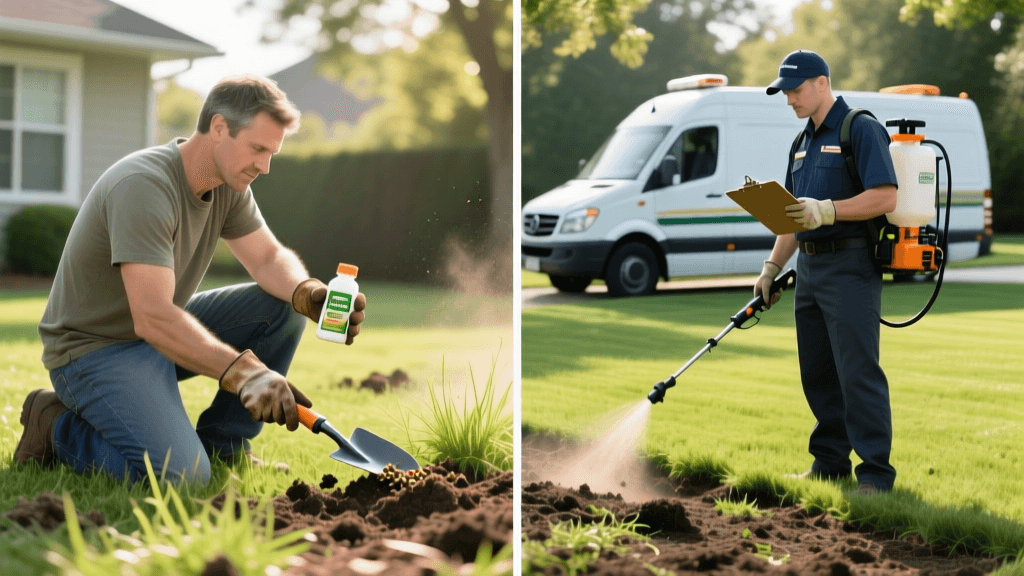
Lawn Grub Control Costs: DIY vs Professional Treatment Guide
Introduction to Grub Damage and Budgeting
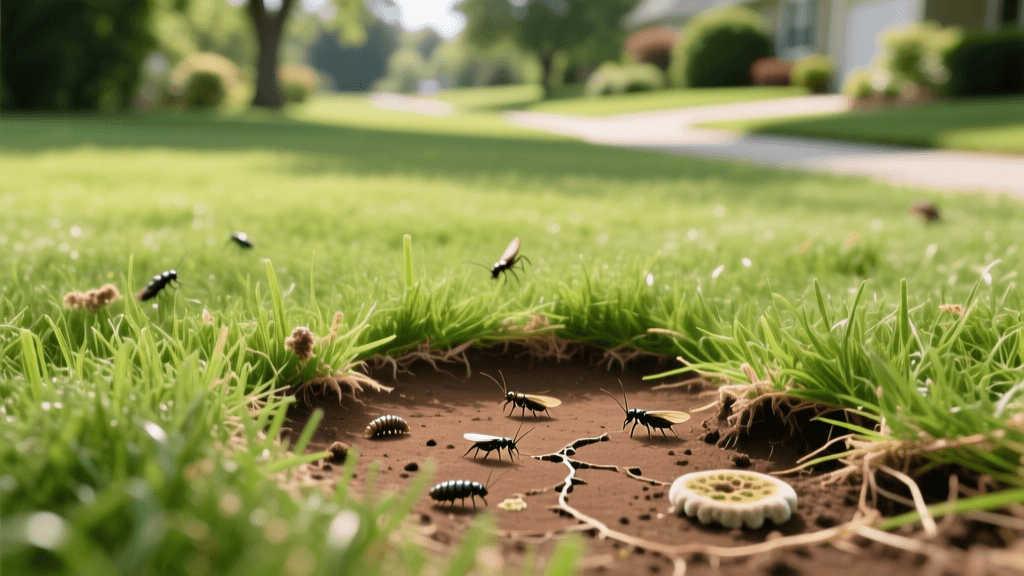
When it comes to lawn care, few pests can devastate a pristine turfgrass canopy as quickly and silently as white grubs. These C-shaped larvae of scarab beetles feed aggressively on grassroots, severing the plant's ability to absorb water and nutrients. For homeowners, discovering a grub infestation often triggers a frantic search for solutions, but without a clear budget, the costs of treatment—and the subsequent lawn repair—can quickly spiral out of control. Understanding the financial landscape of grub control is essential for making informed decisions that protect both your lawn and your wallet.
In this comprehensive cost and budgeting guide, we will break down the expenses associated with DIY grub treatments versus hiring professional lawn care services. We will explore the prices of active ingredients, equipment costs, and the hidden financial risks of ignoring an infestation, helping you formulate a cost-effective pest management strategy.
Understanding Lawn Grubs and Treatment Timing
Before allocating funds to pest control, it is crucial to understand the life cycle of the grub. According to entomologists at the University of Kentucky, the most common turf-destroying grubs in North America belong to the Japanese beetle, June beetle, and European chafer species. These pests spend the majority of their life cycle underground, making early detection and timely treatment the most cost-effective approaches.
Treatment timing dictates the type of product you must purchase, which directly impacts your budget:
- Preventative Treatments: Applied in late spring to early summer (May to July), these products target young, newly hatched grubs. They are generally less expensive per application and require lower active ingredient concentrations.
- Curative Treatments: Applied in late summer to early fall (August to October), these fast-acting chemicals are required when grubs are large, actively feeding, and causing visible brown patches. Curative products are typically more expensive and require precise application.
DIY Grub Control Costs: Products and Application
Tackling a grub problem yourself is generally the most budget-friendly route, provided you have the time and willingness to apply the products correctly. The cost of DIY grub control is primarily driven by the size of your lawn and the specific active ingredient you choose.
Preventative Grub Control Products
Preventative products are the cornerstone of a cost-effective lawn care budget. The most common active ingredients include Imidacloprid and Chlorantraniliprole.
- Chlorantraniliprole (e.g., Scotts GrubEx, Acelepryn): This is widely considered the gold standard for preventative grub control. It is highly effective, safe for pollinators when applied correctly, and provides long-lasting residual control. A standard 10-pound bag, which covers approximately 5,000 square feet, typically costs between $18 and $24. For an average 10,000-square-foot lawn, your annual material cost is roughly $40.
- Imidacloprid (e.g., Merit Granules): Another highly effective preventative option. A 30-pound bag covering 10,000 square feet usually retails for $45 to $60.
Curative Grub Control Products
If you missed the preventative window and your lawn is actively dying, you must use a curative product. The industry standard for rapid knockdown is Trichlorfon (commonly sold under the brand name Dylox).
- Trichlorfon (e.g., Bayer Advanced 24 Hour Grub Killer): Because it must penetrate the soil quickly and kill large, mature grubs, it is more concentrated and costly. A 10-pound bag covering 4,000 to 5,000 square feet costs between $25 and $35. Treating a 10,000-square-foot lawn curatively will cost approximately $60 to $75 in materials alone.
Organic and Biological Controls
For homeowners committed to organic lawn care, biological controls offer a sustainable, albeit sometimes slower, alternative. Penn State Extension recommends considering biological agents as part of a long-term soil health strategy.
- Milky Spore Disease (Paenibacillus popilliae): Specifically targets Japanese beetle grubs. While the upfront cost is high—approximately $40 to $60 for a 40-ounce box treating 10,000 square feet—it can provide control for 10 to 15 years once established in the soil, making the long-term budget impact negligible.
- Beneficial Nematodes (Heterorhabditis bacteriophora): Microscopic worms that hunt and destroy grubs. A package containing 50 million nematodes (enough for roughly 5,000 square feet) costs between $35 and $50. Because nematodes are living organisms, they require careful storage, immediate application, and consistent soil moisture, which may increase your water bill slightly during the treatment window.
Equipment Costs
If you do not already own a broadcast or drop spreader, you will need to factor this into your initial budget. A high-quality rotary spreader costs between $40 and $80. Alternatively, renting a commercial-grade spreader from a local hardware store typically costs $15 to $25 per day.
Professional Grub Control Costs: What to Expect
Hiring a licensed lawn care professional removes the guesswork, labor, and equipment maintenance from your plate. Professionals have access to commercial-grade chemicals that are often more effective and longer-lasting than retail consumer products.
Most landscaping and pest control companies price their services based on the total square footage of your turf area. Here is what you can expect to pay for professional grub control:
- Standalone Grub Treatment: If you are not subscribed to a yearly lawn care program, companies will charge a standalone fee. This typically ranges from $100 to $250 per application, depending on lawn size and regional labor rates.
- Program Add-On: If you already use a service for fertilization and weed control, grub control is often included in premium packages or available as a low-cost add-on. Expect to pay an additional $40 to $75 per year for this inclusion.
- Guarantees: Many professional services offer a satisfaction guarantee. If grubs return and damage the lawn after a professional application, the company will often cover the cost of the curative retreatment or even contribute to sod replacement costs.
Cost Comparison: DIY vs. Professional Grub Treatment
To help you visualize the financial commitment, the table below compares the estimated costs of treating a standard 10,000-square-foot lawn using DIY methods versus hiring a professional service.
| Treatment Approach | Material / Service Cost | Equipment Cost | Time Investment | Guarantee / Warranty |
|---|---|---|---|---|
| DIY Preventative (Chlorantraniliprole) | $36 - $48 | $0 - $80 (Spreader) | 1 - 2 Hours | None |
| DIY Curative (Trichlorfon) | $60 - $75 | $0 - $80 (Spreader) | 1 - 2 Hours | None |
| DIY Organic (Beneficial Nematodes) | $70 - $100 | $0 - $40 (Hose-end sprayer) | 2 - 3 Hours (plus watering) | None |
| Professional Add-On Service | $40 - $75 | $0 | 0 Hours | Often Included |
| Professional Standalone Service | $120 - $200 | $0 | 0 Hours | Usually Included |
Budgeting Insight: If you already own a spreader and enjoy lawn care, DIY preventative treatment is the most economical choice. However, if you lack the equipment or time, adding grub control to an existing professional lawn care program is surprisingly cost-competitive and offers the financial safety net of a guarantee.
Hidden Costs of Ignoring a Grub Infestation
When budgeting for pest control, homeowners often weigh the cost of treatment against doing nothing. However, the hidden costs of ignoring a grub infestation can be financially catastrophic for your landscape.
- Turf Replacement and Sodding: Grubs destroy the root system, meaning the grass cannot simply be overseeded; the dead turf must be removed, the soil tilled, and new sod laid. Professional sod installation costs between $1.00 and $2.50 per square foot. Replacing just a 500-square-foot damaged patch can cost upwards of $1,250.
- Secondary Pest Damage: Grubs are a primary food source for skunks, raccoons, armadillos, and foraging birds like crows. These animals will literally tear up your lawn, peeling back the turf like a carpet to reach the grubs. The cost to repair animal-damaged soil and turf far exceeds the $40 cost of a preventative grub treatment.
- Soil Erosion: Dead, rootless turf leads to soil compaction and erosion during heavy rains, potentially washing away expensive topsoil and landscaping mulch.
Budgeting Tips and Integrated Pest Management
The most effective way to manage pest control costs is to adopt the principles of Integrated Pest Management (IPM). The Environmental Protection Agency (EPA) defines IPM as a science-based, decision-making process that identifies and reduces risks from pests while minimizing economic and environmental impacts.
Here is how to apply IPM to your grub control budget:
- Monitor Before You Spray: Do not apply chemicals blindly. In early fall, use a flat-headed shovel to cut a 1-foot by 1-foot square of turf, peel it back, and count the grubs. If you find fewer than 5 to 10 grubs per square foot, treatment is usually unnecessary, saving you money. If you find more than 10, treatment is justified.
- Adjust Irrigation: Adult beetles prefer to lay their eggs in moist, lush soil. By allowing your lawn to go slightly dormant or reducing irrigation during peak egg-laying periods (late July), you can naturally reduce grub populations without spending a dime on chemicals.
- Promote Deep Root Growth: A healthy lawn with a deep root system can tolerate minor grub feeding without showing visible damage. Proper aeration and deep, infrequent watering build turf resilience, acting as a free, cultural pest control method.
- Keep Records: Track when and where you find grub damage. Scarab beetles often return to the same areas of a property year after year. By mapping your lawn's history, you can apply targeted spot treatments to high-risk zones rather than paying to treat the entire property.
Conclusion
Budgeting for lawn grub control requires a strategic balance between upfront material costs, labor, and the potential financial devastation of turf loss. For the average homeowner, investing $40 to $50 annually in a DIY preventative product like Chlorantraniliprole is the most cost-effective strategy to protect a 10,000-square-foot lawn. Conversely, those who value their time and desire a warranty should look to bundle grub control into a professional lawn care program for an additional $50 to $75 a year.
By understanding the life cycle of the grub, utilizing targeted IPM scouting techniques, and choosing the right active ingredient for the season, you can maintain a lush, healthy lawn without letting pest control expenses overrun your household budget.