Pest Control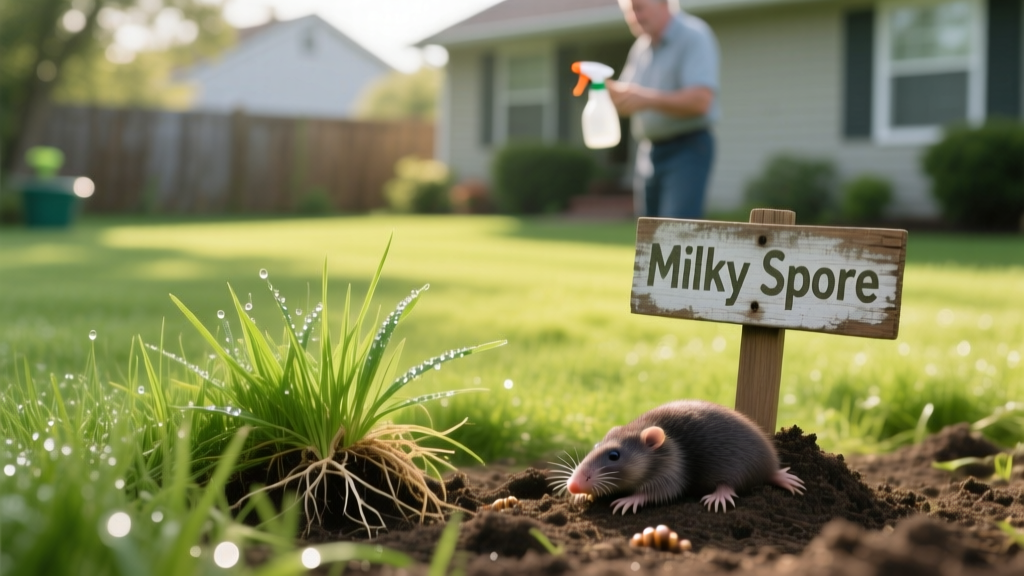
Lawn Grub Control Myths: Separating Fact From Fiction
James MillerPublished
Introduction: The Cost of Lawn Care Misinformation
White grubs—the larval stage of Japanese beetles, June bugs, and European chafers—are among the most destructive pests a homeowner can face. By feeding on the root systems of turfgrass, these C-shaped larvae can turn a lush, green lawn into a spongy, brown wasteland in a matter of weeks. However, the panic surrounding grub infestations has given rise to a tangled web of old wives' tales, internet hacks, and marketing-driven myths.
Applying the wrong treatment at the wrong time not only wastes your hard-earned money but can also harm beneficial soil organisms and local waterways. In this guide, we are separating fact from fiction, debunking the most pervasive lawn grub myths, and providing a science-backed, actionable Integrated Pest Management (IPM) strategy to protect your turf.
Myth #1: Moles in the Yard Mean You Have a Grub Problem
The Fiction
If you see molehills or raised tunnels in your lawn, you must have a massive grub infestation, and killing the grubs will get rid of the moles.
The Fact
This is perhaps the most expensive myth in lawn care. As noted by turf experts at Penn State Extension, moles are indeed insectivores, but their primary food source is not grubs—it is earthworms. Earthworms make up 70% to 90% of a mole's diet. While moles will eat grubs if they stumble upon them, they are tunneling through your yard hunting worms and other soil-dwelling insects, not specifically targeting your white grubs.
Actionable Advice
Do not apply grub control products to solve a mole problem. If your lawn is healthy and a 'dig test' (explained below) reveals fewer than 5 grubs per square foot, leave the grubs alone. To manage moles, use targeted mole-specific traps (like the Victor Out O'Sight trap) placed directly in active, straight-run tunnels, or apply castor oil-based repellents at a rate of 2 ounces per 1,000 square feet to encourage them to relocate.
Myth #2: Milky Spore is a Quick, Universal Cure for All Grubs
The Fiction
Milky Spore powder is an organic miracle that will instantly kill all types of grubs and protect your lawn for 20 years.
The Fact
Milky Spore (*Paenibacillus popilliae*) is a naturally occurring bacterium, but it is highly specialized. It only targets Japanese Beetle grubs. It has zero effect on June bugs, European chafers, or Oriental beetles. Furthermore, it is not a quick fix. The spores require specific soil conditions to proliferate, including consistent soil temperatures above 65°F and adequate moisture. It typically takes 2 to 4 years for the spore count in the soil to reach levels high enough to provide meaningful control. While USDA APHIS recognizes its historical role in Japanese Beetle management, relying on it for an active, multi-species infestation will result in severe turf loss.
Actionable Advice
If you have an active, damaging infestation right now, Milky Spore will not save your lawn. Use a fast-acting curative chemical like Trichlorfon (Dylox). You can apply Milky Spore as a long-term, organic preventative specifically for Japanese Beetles, but expect to spend around $50 to $60 per 5,000 square feet and wait several seasons for establishment.
Myth #3: Dish Soap and Water Will Safely Flush Out Grubs
The Fiction
Mixing lemon-scented dish soap with water and pouring it on the lawn will safely bring grubs to the surface where birds will eat them.
The Fact
This viral internet hack is actively harmful to your lawn. Dish soaps contain harsh surfactants and degreasers designed to strip oils from pots and pans. When applied to turfgrass, these surfactants strip the protective waxy cuticle from the grass blades, leading to rapid moisture loss, desiccation, and chemical burn, especially in the heat of summer. While the soapy water might irritate a few grubs into moving upward, it will not kill a subterranean population, nor will it penetrate deep enough into the thatch and soil profile to be an effective control method.
Actionable Advice
Skip the dish soap. If you want to flush grubs for identification purposes, use a mild, turf-safe surfactant or a specialized soil-penetrating wetting agent. To actually kill the grubs, rely on proven active ingredients designed to move through the soil profile without harming the grass above.
Myth #4: You Must Apply Preventative Grub Killers Every Single Year
The Fiction
The only way to keep a lawn safe is to blindly apply preventative grub control chemicals every spring, regardless of whether grubs are present.
The Fact
Blanket pesticide applications violate the core principles of Integrated Pest Management (IPM). Grub populations fluctuate wildly from year to year based on adult beetle mating success, summer rainfall, and soil moisture. Applying expensive preventatives when beetle populations are in a natural down-cycle is a waste of money and introduces unnecessary chemicals into the environment.
According to IPM guidelines and entomologists at the University of Kentucky, a healthy, well-watered lawn can tolerate up to 10 grubs per square foot without showing visible damage. Treatment is only economically and ecologically justified when populations exceed this threshold.
Actionable Advice: The 'Tug Test' and Dig Test
In late July or early August, perform a scouting mission. Grab a handful of grass and pull gently (The Tug Test). If the turf rolls back like a loose carpet, roots have been severed. Next, use a shovel or a specialized sod plugger to cut out exactly one square foot of turf, about 3 inches deep. Sift through the soil and count the C-shaped white grubs.
- 0 to 5 grubs per sq. ft.: No treatment necessary. Maintain proper watering.
- 6 to 10 grubs per sq. ft.: Monitor closely. Treat only if the lawn is stressed, under-watered, or if animal damage (skunks, raccoons) begins.
- 10+ grubs per sq. ft.: Immediate curative treatment is required.
The Ultimate Grub Control Comparison Chart
Choosing the right product depends entirely on the time of year and whether you are preventing an infestation or curing an active one. Below is a comparison of the most effective active ingredients available to homeowners.
| Active Ingredient | Product Example | Application Timing | Target / Action | Est. Cost (per 5k sq ft) |
|---|---|---|---|---|
| Chlorantraniliprole | Scotts GrubEx | Late Spring (May - June) | All white grubs (Preventative) | $25 - $30 |
| Imidacloprid | Bayer Advanced 24 Hr | Early Summer (June - July) | All white grubs (Preventative) | $15 - $20 |
| Trichlorfon | Bayer Dylox | Late Summer (Aug - Sept) | Active young grubs (Curative) | $30 - $40 |
| Paenibacillus popilliae | Milky Spore Powder | Spring or Fall | Japanese Beetle ONLY (Biological) | $40 - $60 |
Your Actionable Step-by-Step Grub Management Plan
To implement a professional-grade IPM strategy, follow this timeline and protocol:
Step 1: Spring Prevention (May to Mid-June)
If your lawn has a documented history of severe grub damage, apply a preventative containing Chlorantraniliprole (e.g., Scotts GrubEx). This active ingredient is highly targeted, safe for pollinators once dried into the soil, and remains active in the root zone for months. Crucial Step: You must water the product in with at least 0.5 inches of irrigation immediately after application to move the chemical past the thatch layer and into the soil where grubs feed.
Step 2: Late Summer Scouting (Late July to August)
Perform the 1-square-foot dig test mentioned above. Check multiple areas of the lawn, especially sunny spots and areas near ornamental trees where adult beetles prefer to lay eggs.
Step 3: Curative Rescue (August to September)
If your dig test reveals damaging populations (10+ per sq. ft.) and you did not apply a preventative, use a curative product containing Trichlorfon (Dylox). Trichlorfon degrades rapidly in soil (often within a week), making it safe for fall overseeding, but it is highly lethal to active, young grubs. Water it in deeply with 0.5 to 1 inch of water to ensure it reaches the root zone.
Step 4: Fall Recovery (September to October)
Grub-damaged lawns need help recovering before winter. Aerate the compacted soil, apply a high-quality fall fertilizer (look for a 3-1-2 NPK ratio), and overseed bare patches with a turf-type tall fescue or Kentucky bluegrass blend. Keep the new seed consistently moist for 14 to 21 days.
Conclusion
Effective pest control is about working with biology, not against it. By abandoning outdated myths—like blaming moles for grub damage or relying on dish soap hacks—you can save time, money, and your turf. Embrace the IPM approach: scout your lawn, respect the economic thresholds, and use targeted, scientifically proven treatments only when the data tells you it is necessary. Your lawn, your wallet, and the local ecosystem will thank you.