Pest Control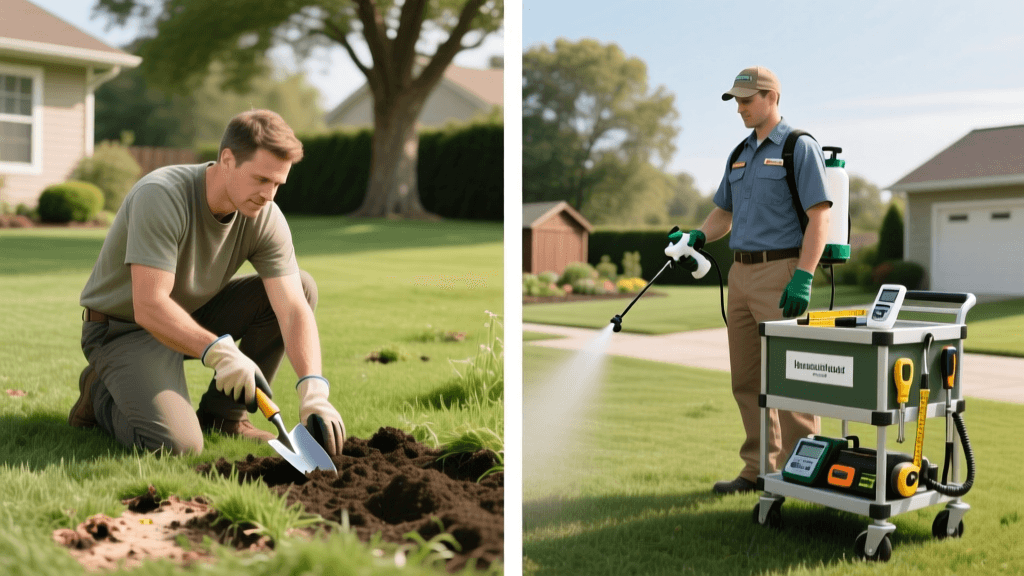
Lawn Grub Treatment Cost: DIY vs Professional Budget Guide
Introduction to Lawn Grub Control Budgeting
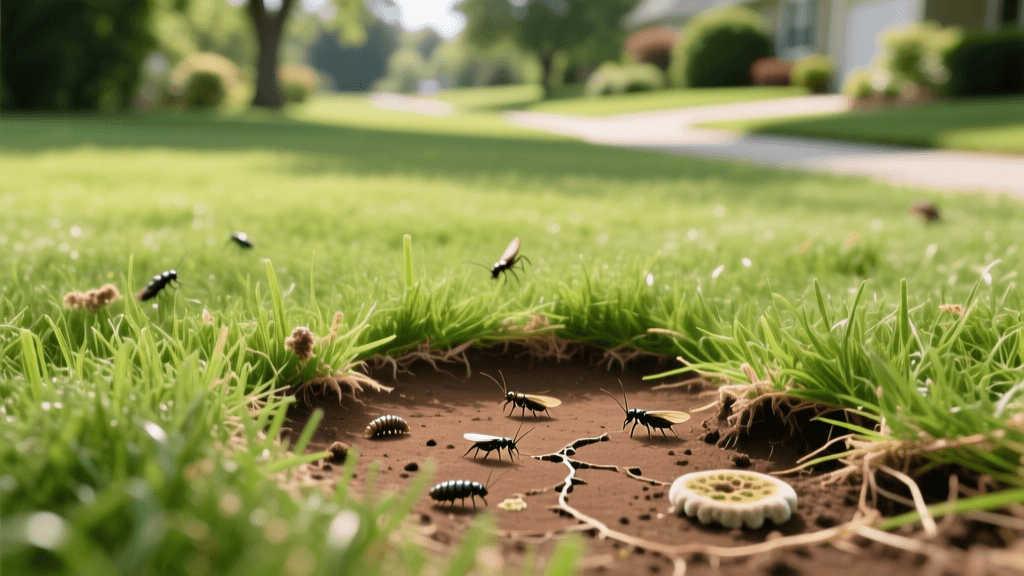
When it comes to maintaining a pristine, healthy lawn, few pests are as destructive—and as financially draining—as the white grub. Grubs are the larval stage of various scarab beetles, including Japanese beetles, June bugs, and European chafers. They live just beneath the soil surface, feeding aggressively on grassroots. If left unchecked, a severe grub infestation can destroy an entire lawn in a matter of weeks, leading to massive repair bills. For homeowners, the primary dilemma is whether to tackle the problem with a do-it-yourself (DIY) approach or to hire a professional lawn care service. This comprehensive cost and budgeting guide breaks down the expenses associated with lawn grub treatment, comparing DIY product costs against professional service fees, and explores the hidden costs of lawn recovery. By understanding these numbers, you can make an informed, budget-friendly decision that protects your turf and your wallet.
The True Cost of Grub Damage
Before budgeting for treatment, it is crucial to understand the financial stakes of ignoring a grub problem. Grubs sever the roots of your grass, causing the turf to spongify, turn brown, and eventually roll back like a carpet. According to the University of Minnesota Extension, a threshold of more than 10 grubs per square foot is typically enough to cause visible, severe damage to residential lawns. Furthermore, grubs attract secondary pests. Animals like skunks, raccoons, and crows will actively dig up and tear apart your lawn to feed on the protein-rich larvae. The cost of treating the grubs is often just a fraction of the total expense; the real budgetary impact comes from the subsequent lawn repair, which includes aeration, topsoil replacement, and overseeding. Therefore, investing in proactive grub control is almost always more cost-effective than paying for reactive lawn reconstruction.
Preventative vs. Curative Grub Control Strategies
When budgeting for grub control, you must choose between preventative and curative treatments. Preventative treatments are applied in late spring or early summer (typically April to June) before the eggs hatch. These products contain slow-acting active ingredients like Chlorantraniliprole or Imidacloprid, which remain in the soil and kill young grubs as they begin to feed. Preventatives are highly effective and generally cheaper in the long run because they stop damage before it starts.
Curative treatments, on the other hand, are applied in late summer or early fall (August to October) when grubs are large, actively feeding, and causing visible damage. Curative products utilize fast-acting chemicals like Trichlorfon (commonly found in Dylox). While curatives kill grubs within 24 to 48 hours, they are more expensive, harsher on the environment, and require precise watering to activate. As noted by University of Kentucky Entomology, timing is the most critical factor in curative applications; if applied too late in the fall, the grubs may have already pupated or burrowed too deep for the chemical to reach.
DIY Lawn Grub Treatment Costs
Treating your lawn for grubs yourself can yield significant savings, provided you have the time, equipment, and willingness to follow application instructions carefully. Below is a breakdown of the most common DIY grub control products and their associated costs for an average-sized lawn of 5,000 square feet.
1. Synthetic Preventative Treatments
- Product Example: Scotts GrubEx (Active Ingredient: Chlorantraniliprole)
- Cost: $25 to $30 per 5,000 sq. ft. bag
- Application: Requires a broadcast or drop spreader. Must be watered in immediately.
- Budget Impact: Highly cost-effective for annual maintenance. Provides up to 4 months of residual control.
2. Synthetic Curative Treatments
- Product Example: Bayer Advanced 24 Hour Grub Killer / Dylox (Active Ingredient: Trichlorfon)
- Cost: $20 to $28 per 5,000 sq. ft. bag or granular equivalent
- Application: Fast-acting but has a short residual lifespan (only a few weeks). Requires heavy irrigation to penetrate the thatch layer.
- Budget Impact: Best reserved for emergency interventions when active turf damage is discovered in late summer.
3. Organic and Biological Controls
- Product Example: Milky Spore (Bacillus popilliae) or Beneficial Nematodes (Heterorhabditis bacteriophora)
- Cost: Milky Spore powder costs roughly $60 to $80 for 4,000 sq. ft. Beneficial nematodes cost about $35 to $50 for 3,000 sq. ft. (requires refrigeration and immediate application).
- Application: Milky spore takes 2 to 5 years to fully establish in the soil but can last for 15+ years. Nematodes must be applied to moist soil in the evening to avoid UV degradation.
- Budget Impact: High upfront cost, but Milky Spore offers the best long-term ROI for organic gardeners committed to Integrated Pest Management (IPM) principles.
Professional Grub Control Costs
If you prefer to outsource the labor, calibration, and timing to the experts, hiring a professional lawn care company is the way to go. Professional services typically bundle grub control into comprehensive annual lawn care programs, though it can also be purchased as an a la carte service.
For a standalone grub control application, professionals generally charge between $0.05 and $0.15 per square foot. For a 5,000-square-foot lawn, expect to pay between $250 and $400 for a single preventative or curative visit. However, most homeowners save money by bundling grub control with standard fertilization and weed control programs. When bundled, the marginal cost of adding grub control to an annual 6-step program usually ranges from $75 to $150 per season. Professionals use commercial-grade products like Acelepryn (Chlorantraniliprole), which offers superior safety profiles and longer residual control than most consumer-grade alternatives.
Cost Comparison Table: DIY vs. Professional Grub Control
To help you visualize the budget requirements, the following table compares the estimated costs for treating a standard 5,000-square-foot lawn using various methods.
| Treatment Method | Average Cost (5,000 sq ft) | Best Application Time | Efficacy & Longevity |
|---|---|---|---|
| DIY Preventative (Chlorantraniliprole) | $25 - $30 | April - June | High / 4 months |
| DIY Curative (Trichlorfon) | $20 - $28 | August - September | High / 2 weeks |
| DIY Organic (Milky Spore) | $60 - $80 | Spring or Fall | Variable / 15+ years once established |
| DIY Organic (Beneficial Nematodes) | $40 - $60 | August - September | Moderate to High / Single season |
| Professional Standalone Application | $250 - $400 | Spring or Late Summer | High / Commercial-grade residuals |
| Professional Bundled (Annual Program) | $75 - $150 (add-on fee) | Spring (Preventative) | High / Guaranteed by provider |
Hidden Costs: Budgeting for Lawn Recovery and Repair
When creating your pest control budget, you must account for the hidden costs of lawn recovery if grubs have already caused damage. Treating the insects is only step one; repairing the destroyed turf is step two. If your lawn has been ravaged by grubs and foraging wildlife, factor the following recovery expenses into your budget:
- Core Aeration: Essential for breaking up compacted soil and preparing the seedbed after animal damage. Costs $100 to $150 for a 5,000 sq. ft. lawn if hired out, or $50 to $80 per day for a DIY machine rental.
- Overseeding and Topsoil: High-quality turfgrass seed (such as Kentucky Bluegrass or Tall Fescue blends) costs $30 to $60 per 50 lbs. You may also need to purchase bags of topsoil or compost to fill in animal diggings, adding another $50 to $100 to the project.
- Wildlife Deterrents: If skunks or raccoons are tearing up your yard to eat the grubs, you may need to budget for humane traps, motion-activated sprinklers ($40 to $60), or castor-oil-based animal repellents ($20).
Integrated Pest Management (IPM) for Long-Term Savings
The most budget-friendly approach to grub control is not a chemical one, but a cultural one. Implementing Integrated Pest Management (IPM) strategies reduces your lawn's susceptibility to grubs, thereby lowering your annual pest control expenditures. Deep, infrequent watering encourages grassroots to grow deeper into the soil, making them more resilient to surface-level grub feeding. Furthermore, maintaining a mowing height of 3 to 4 inches shades the soil, making it less hospitable for adult beetles looking to lay their eggs in the heat of summer. By shifting your budget slightly toward proper lawn mowing, watering, and annual soil testing, you can naturally suppress grub populations and reduce your reliance on expensive chemical interventions.
Conclusion: Making the Right Financial Choice
Budgeting for lawn grub control requires a careful assessment of your lawn's history, your available time, and your financial flexibility. For the budget-conscious homeowner willing to put in a few hours of labor, DIY preventative treatments like Scotts GrubEx offer an unbeatable return on investment at under $30 per season. Conversely, if you value convenience, or if your lawn has a chronic, severe history of grub damage and wildlife destruction, investing in a professional, bundled lawn care program provides peace of mind and commercial-grade protection. Ultimately, spending a modest amount on preventative grub control today will save you hundreds, if not thousands, of dollars in catastrophic lawn renovation costs tomorrow.