Pest Control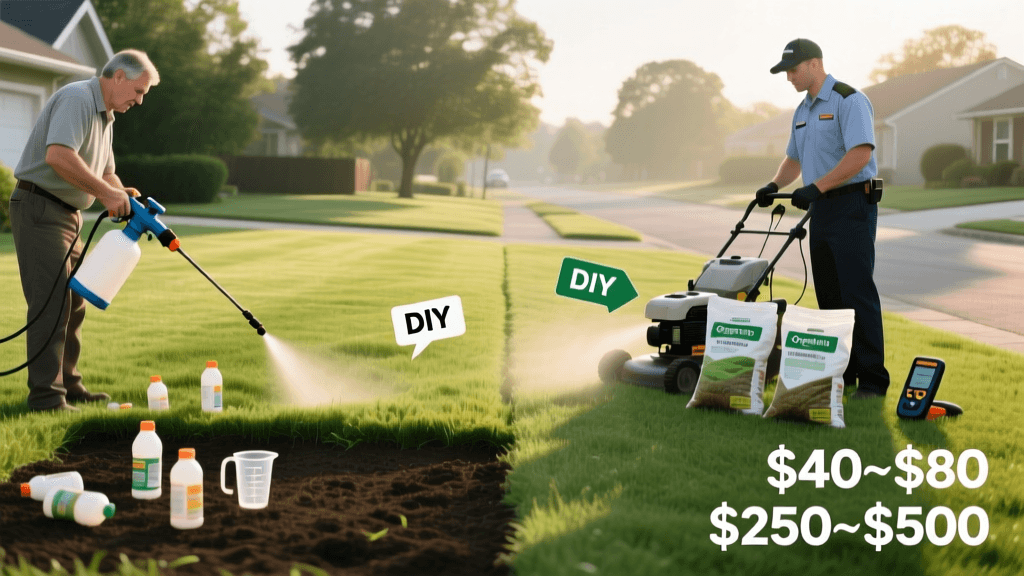
Lawn Pest Control Costs: DIY vs Professional Guide
Introduction to Lawn Pest Control Budgeting
Maintaining a lush, green lawn is a point of pride for many homeowners, but unwanted insects can quickly turn your outdoor oasis into a patchy, damaged mess. From destructive white grubs to disease-carrying ticks and mosquitoes, lawn pests pose a significant threat to both your turf health and your family's comfort. However, when it comes to eradicating these invaders, homeowners are often left wondering about the most cost-effective approach. Should you tackle the problem yourself, or is it worth the investment to hire a professional pest control service?
Budgeting for lawn pest control requires a clear understanding of the hidden costs associated with turf damage, the price of chemical and organic treatments, and the long-term value of Integrated Pest Management (IPM). In this comprehensive cost guide, we will break down the expenses associated with DIY lawn pest control versus professional services, helping you make an informed decision that protects both your yard and your wallet.
The Financial Impact of Ignoring Lawn Pests
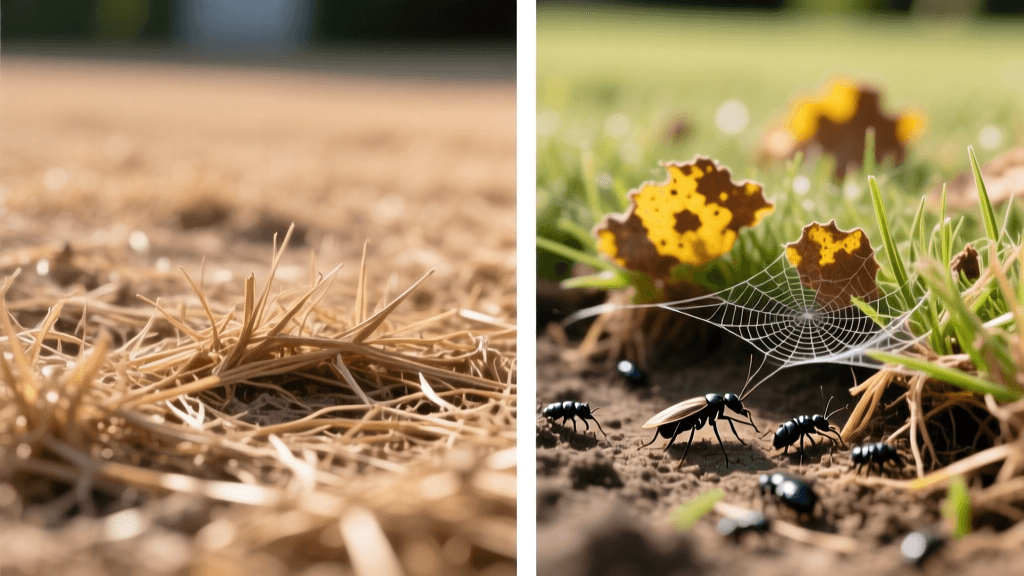
Before diving into treatment costs, it is crucial to understand the financial risks of ignoring a pest infestation. Pests like chinch bugs, armyworms, and white grubs feed on grass roots and blades, causing widespread necrosis. If left untreated, you may be forced to pay for complete lawn renovation, which includes dethatching, core aeration, topsoil, and high-quality grass seed or sod. According to landscaping industry estimates, reseeding a 5,000-square-foot lawn can cost anywhere from $500 to $1,000, while laying new sod can easily exceed $2,500. Investing in preventative pest control is almost always more cost-effective than paying for total lawn restoration.
DIY Lawn Pest Control: Cost Breakdown
The DIY route is generally the most budget-friendly option for homeowners who are willing to invest their own time and labor. However, the costs go beyond just buying a bag of fertilizer or pesticide. You must also factor in the initial investment for application equipment and personal protective equipment (PPE).
Essential DIY Equipment Costs
- Rotary Spreader: Required for granular pesticides and preventative grub control. A high-quality broadcast spreader costs between $40 and $90.
- Pump Sprayer: Necessary for liquid contact insecticides and mosquito barrier treatments. A 2-gallon pump sprayer typically costs $30 to $50.
- Personal Protective Equipment (PPE): Chemical-resistant gloves, safety goggles, and a basic respirator mask will cost around $25 to $40.
Common DIY Products and Prices
The cost of DIY treatments varies heavily depending on whether you choose synthetic chemicals or organic biological controls. For a standard 5,000-square-foot lawn, here is what you can expect to pay for common targeted treatments:
| Product Type | Active Ingredient / Method | Target Pest | Estimated Cost (5,000 sq ft) |
|---|---|---|---|
| Preventative Granular | Chlorantraniliprole (e.g., Scotts GrubEx) | White Grubs | $25 - $35 |
| Curative Contact | Trichlorfon (e.g., Bayer 24-Hour Grub Killer) | Active Grub Infestations | $15 - $22 |
| Biological Control | Heterorhabditis bacteriophora (Beneficial Nematodes) | Grubs, Fleas, Ticks | $45 - $70 |
| Organic Bacterial | Paenibacillus popilliae (Milky Spore) | Japanese Beetle Grubs | $30 - $50 |
| Liquid Barrier | Bifenthrin or Permethrin | Ticks, Mosquitoes, Ants | $20 - $35 |
Pro Tip: Always measure your lawn's exact square footage before purchasing chemical treatments. Over-applying pesticides wastes money and harms the environment, while under-applying leads to treatment failure and repeat costs.
Professional Pest Control Services: Pricing Models
If the idea of handling toxic chemicals or accurately timing biological treatments sounds overwhelming, professional pest control services offer a convenient, albeit more expensive, alternative. Professionals have access to commercial-grade products that are often more effective and longer-lasting than consumer-grade options found at big-box hardware stores.
Subscription vs. One-Time Treatments
Most professional lawn care companies operate on a subscription model, bundling pest control with fertilization and weed management. A comprehensive 6-to-8 step annual program for a 5,000-square-foot lawn typically ranges from $600 to $1,200 per year. This usually includes preventative grub control and broad-spectrum insect management.
For specific, acute problems like a severe tick or mosquito infestation, companies offer one-time or seasonal barrier treatments. Mosquito and tick barrier sprays, which involve treating the perimeter of your yard, shrubs, and tree lines, usually cost between $150 and $250 per application. To maintain effectiveness throughout the summer, these treatments must be reapplied every 21 to 30 days, bringing the total seasonal cost to roughly $600 to $1,000.
Cost Comparison: DIY vs. Professional Services
To truly understand the budgetary impact, let us compare the annual costs of managing a 5,000-square-foot lawn with a focus on grub prevention and perimeter pest control.
| Expense Category | DIY Approach | Professional Service |
|---|---|---|
| Initial Equipment | $95 (Spreader, Sprayer, PPE) | $0 |
| Spring Grub Preventative | $30 | Included in Program |
| Summer Mosquito/Tick Sprays (4 apps) | $100 | $700 |
| Fall Curative Treatment (If needed) | $20 | $150 (Service Call) |
| Total Annual Cost | $245 | $850+ |
As the data illustrates, the DIY approach can save homeowners hundreds of dollars annually. However, the professional route guarantees proper application, saves hours of manual labor, and often comes with a service warranty that covers re-treatments if the pests return.
Budgeting for Integrated Pest Management (IPM)
The most cost-effective and environmentally responsible way to budget for lawn pests is by adopting Integrated Pest Management (IPM). According to the Environmental Protection Agency (EPA), IPM focuses on long-term prevention of pests through a combination of techniques such as biological control, habitat manipulation, and modification of cultural practices. Chemical pesticides are used only as a last resort.
Cultural and Biological Controls
Many IPM strategies are virtually free or very low-cost. Proper lawn care practices naturally deter pests by promoting deep, resilient root systems. These include:
- Mowing High: Keeping your grass at 3 to 4 inches shades the soil, making it less hospitable for surface-dwelling pests and weed seeds.
- Deep, Infrequent Watering: Encourages deep root growth and prevents the damp, shallow soil conditions that attract fungus gnats and certain grubs.
- Encouraging Beneficial Insects: Planting native flowering borders attracts predatory wasps and ground beetles that naturally hunt lawn pests.
Furthermore, the University of California Integrated Pest Management Program emphasizes that maintaining a healthy, vigorously growing turf is the best defense against insect damage, as healthy grass can often outgrow minor pest feeding without the need for costly chemical interventions.
Targeting Specific Pests: Cost vs. Benefit
Different pests require different budgeting strategies based on their life cycles and the damage they inflict.
White Grubs
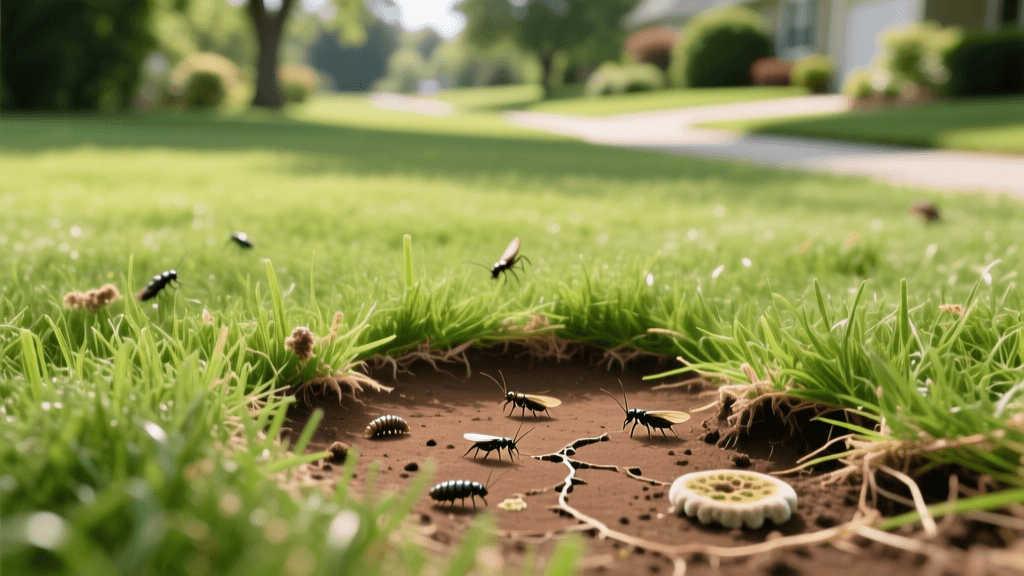
Grubs are the larvae of beetles and feed on grassroots, causing the turf to roll back like a carpet. According to Penn State Extension, preventative treatments applied in late spring or early summer are highly effective and cost-efficient, utilizing low-toxicity chemicals like chlorantraniliprole. Curative treatments applied in the fall when grubs are large require harsher, more expensive chemicals and higher application rates, making early prevention the clear budgetary winner.
Ticks and Mosquitoes
Unlike grubs, which damage the turf itself, ticks and mosquitoes threaten human health. Budgeting for these pests is less about saving the grass and more about investing in family safety. While DIY permethrin sprays are cheap, they require frequent reapplication and careful handling. For properties bordering dense woods or water sources, budgeting for a professional seasonal barrier spray is often a worthwhile investment for peace of mind and consistent protection.
Hidden Costs to Watch Out For
When planning your pest control budget, beware of hidden costs that can derail your financial planning. First, improper storage of liquid pesticides can lead to product degradation, forcing you to repurchase treatments mid-season. Second, failing to water in granular grub treatments immediately after application can render the product useless, as the active ingredient must reach the soil surface to be effective. Finally, local environmental regulations may restrict the use of certain chemicals near waterways or property lines, potentially requiring you to purchase specialized, eco-friendly alternatives that carry a premium price tag.
Conclusion
Budgeting for lawn pest control does not have to be a guessing game. By understanding the life cycles of common turf pests and weighing the upfront costs of DIY equipment against the recurring fees of professional services, you can tailor a pest management plan that fits your financial situation. Whether you choose to save money by applying your own biological controls and granular preventatives, or prefer the hands-off convenience of a professional IPM subscription, the key to long-term savings is proactive prevention. A healthy, well-maintained lawn is your best financial defense against the costly damage caused by unwanted insects.