Pest Control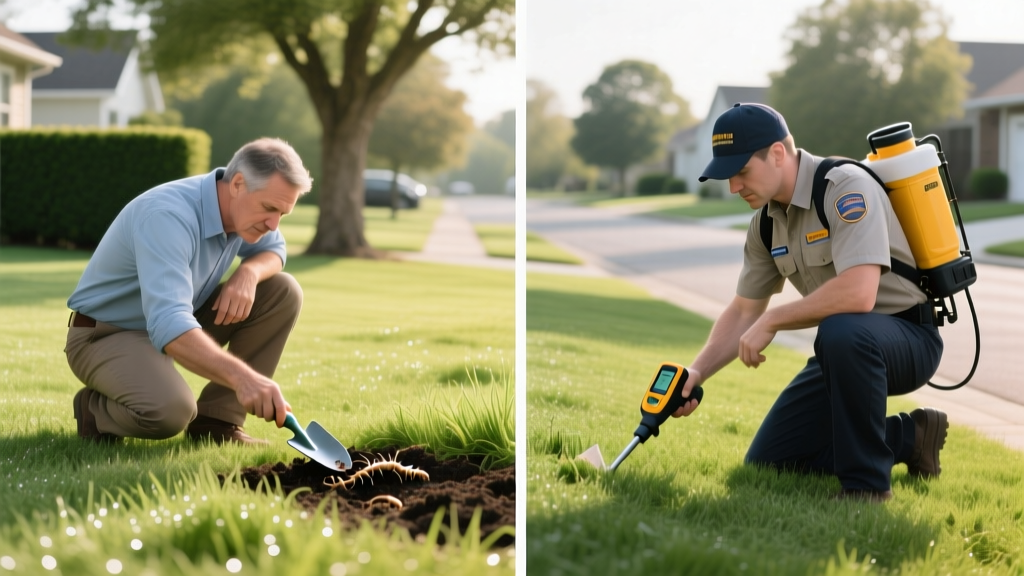
The True Cost of Lawn Pest Control: 2024 Pricing Guide
Lisa ThompsonPublished
Introduction to Lawn Pest Management Costs
When a lush, green lawn suddenly develops brown, patchy areas, turf-destroying insects are often the culprits. From subterranean white grubs to surface-feeding chinch bugs and armyworms, lawn pests can decimate a turfgrass ecosystem in a matter of weeks. For homeowners, an infestation presents a critical financial decision: should you tackle the problem with DIY store-bought chemicals, or hire a licensed lawn care professional? Understanding the true cost of lawn pest control requires looking beyond the initial price tag. You must factor in product efficacy, equipment expenses, the size of your property, and the potential hidden costs of lawn renovation if a treatment fails. This comprehensive pricing guide breaks down the costs of professional versus DIY pest control, helping you budget effectively while protecting your turf investment.
The Average Cost of Professional Lawn Pest Treatment
Hiring a licensed lawn care operator or pest control company provides peace of mind, professional-grade chemicals, and guaranteed results. However, this convenience comes at a premium. According to industry averages, professional lawn pest control costs between $150 and $300 per targeted visit, depending on the severity of the infestation and the total square footage of your yard.
Pricing by Pest Type
- Grub Control (Preventative and Curative): Professionals typically charge $0.05 to $0.12 per square foot for grub treatments. For a standard 5,000-square-foot lawn, expect to pay between $250 and $600. Preventative applications in early summer are generally cheaper than emergency curative treatments in late summer when grubs are large and actively destroying roots.
- Chinch Bugs and Armyworms: Surface-feeding insects require liquid barrier sprays or specialized granular applications. Professional treatment usually ranges from $100 to $250 per visit. Because armyworms can strip a lawn in days, emergency curative visits may carry a premium surcharge.
- Mosquito and Tick Yard Barriers: While not turf-destroying, these pests ruin outdoor living spaces. Professional barrier sprays (using bifenthrin or permethrin) cost $75 to $125 per visit. A full seasonal package (5 to 7 visits from spring to fall) typically costs $450 to $800.
Many homeowners opt for annual lawn care contracts that bundle pest control with fertilization and weed management. These comprehensive programs range from $500 to $1,200 annually. When evaluating professional services, always consult the EPA guidelines on hiring pest control companies to ensure the operator is properly licensed, insured, and trained in safe chemical application.
DIY Lawn Pest Control: Product Costs and Efficacy
For the budget-conscious homeowner willing to invest time and labor, DIY pest control can yield significant savings. The cost of DIY treatments is primarily driven by the active ingredients, the coverage area, and the equipment required for application.
Preventative vs. Curative Grub Treatments
Preventative grub controls containing Chlorantraniliprole (e.g., Scotts GrubEx) or Imidacloprid are highly effective when applied in late spring or early summer. A standard bag covering 5,000 square feet costs between $25 and $35, equating to roughly $5.00 to $7.00 per 1,000 square feet. Curative treatments, necessary when grubs are already eating roots in late summer, rely on fast-acting chemicals like Trichlorfon (e.g., Bayer Advanced 24 Hour Grub Killer). These are more expensive, often costing $20 to $30 for a bag that only covers 4,000 square feet ($5.00 to $7.50 per 1,000 square feet).
Equipment and Calibration Costs
The hidden costs of DIY pest control include the tools needed for precise application. A high-quality broadcast spreader costs $40 to $80, while a pump-action liquid sprayer costs $25 to $50. Furthermore, improper spreader calibration is a leading cause of DIY treatment failure. Applying too little product wastes money and fails to kill the pests, while applying too much can burn the turf and violate environmental safety regulations.
Mosquito and Tick DIY Treatments
Homeowners can also manage biting insects using DIY concentrates. A 32-ounce bottle of bifenthrin concentrate, which can be mixed in a hose-end sprayer, costs around $20 to $30 and can treat up to 10,000 square feet multiple times. While vastly cheaper than professional barrier sprays, DIY liquid applications require careful handling, personal protective equipment (PPE), and strict adherence to weather conditions to prevent chemical runoff into storm drains.
Cost Comparison Chart: DIY vs. Professional Treatment
The following table illustrates the financial and practical differences between managing lawn pests yourself versus hiring a professional service for a standard 5,000-square-foot lawn.
| Treatment Method | Estimated Cost (5,000 sq ft) | Application Frequency | Efficacy Rate | Time Investment |
|---|---|---|---|---|
| DIY Preventative Grub Control | $25 - $40 | Once per year (Early Summer) | 70% - 85% (Depends on calibration) | 1 - 2 Hours |
| DIY Curative Grub/Surface Pest | $40 - $65 | As needed (Late Summer/Fall) | 60% - 80% | 2 - 3 Hours |
| Professional Targeted Pest Visit | $150 - $300 | As needed or scheduled | 90% - 98% (Guaranteed) | 0 Hours (Done for you) |
| Professional Annual Pest Program | $500 - $900 | 4 - 6 Visits per year | 95%+ (Includes monitoring) | 0 Hours |
| DIY Bifenthrin (Ticks/Mosquitoes) | $20 - $35 | Every 3 - 4 weeks in summer | 75% - 85% | 1 Hour per application |
The Hidden Financial Impact of Ignoring Turf Pests
When weighing the costs of pest control, homeowners must also consider the financial devastation of doing nothing. A severe grub or armyworm infestation can completely destroy the root structure of a lawn in a single season. If your turf dies, pest control costs are immediately replaced by lawn renovation costs.
- Sod Replacement: Removing dead turf, preparing the soil, and installing new sod costs between $1.00 and $2.50 per square foot. For a 5,000-square-foot lawn, this equates to a massive $5,000 to $12,500 renovation bill.
- Aeration and Overseeding: If the damage is partial, core aeration and heavy overseeding will cost $150 to $300, plus the cost of topsoil and starter fertilizers.
- Secondary Pest Damage: Subterranean pests like grubs attract secondary wildlife. Skunks, raccoons, and crows will actively tear up your lawn to feed on the grubs, causing tens of thousands of dollars in aesthetic and structural turf damage that requires extensive raking and reseeding.
Spending $30 on a bag of preventative grub control is a fraction of a percent of the cost of replacing a destroyed lawn.
Integrated Pest Management (IPM): The Most Cost-Effective Strategy
The most financially sound approach to lawn care is Integrated Pest Management (IPM). Rather than blindly spraying chemicals on a calendar schedule, IPM focuses on scouting, identifying pest thresholds, and utilizing biological controls before resorting to synthetic chemicals. The Environmental Protection Agency (EPA) strongly advocates for IPM as a way to reduce both environmental impact and long-term pest control costs.
Scouting and Economic Thresholds
According to the University of California Integrated Pest Management (UC IPM) program, treating a lawn is only necessary when pest populations exceed the economic threshold. For white grubs, this threshold is generally 5 to 10 grubs per square foot. By cutting a one-square-foot section of sod, peeling it back, and counting the grubs, you can determine if a treatment is actually needed. If you only find 2 or 3 grubs per square foot, your lawn can naturally outgrow the minor root damage, saving you the cost of chemicals entirely.
Biological Controls: Beneficial Nematodes
For organic lawn care enthusiasts, beneficial nematodes (specifically Heterorhabditis bacteriophora) offer a highly effective, non-toxic alternative to chemical grub killers. These microscopic worms seek out and destroy soil-dwelling pests. A package containing 10 million nematodes costs between $30 and $45 and covers roughly 3,000 square feet. While slightly more expensive per square foot than synthetic chemicals, nematodes provide long-term biological control, reproducing in the soil and continuing to suppress pest populations for multiple seasons.
Conclusion: Budgeting for a Pest-Free Lawn
Ultimately, the cost of lawn pest control is an investment in your property's curb appeal and structural health. DIY treatments offer immense upfront savings, costing as little as $5 to $10 per 1,000 square feet, but require a strict adherence to application timing, spreader calibration, and safety protocols. Professional services, while costing $150 to $300 per visit, eliminate the guesswork, provide commercial-grade efficacy, and often come with re-treatment guarantees. By adopting an Integrated Pest Management approach, monitoring your turf for threshold levels, and applying preventative treatments at the correct time of year, you can minimize your annual pest control budget while maintaining a thick, resilient, and pest-free lawn.