Pest Control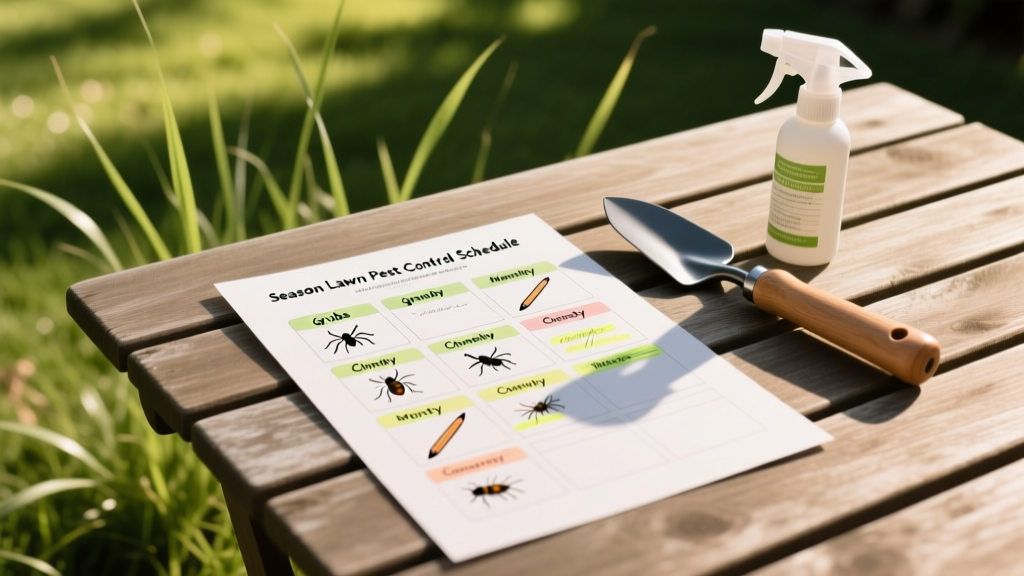
The Ultimate Lawn Pest Control Schedule & Checklist
Robert HayesPublished
Maintaining a lush, green lawn requires more than just regular mowing and fertilization; it demands a proactive, strategic approach to pest management. Turf-destroying insects like white grubs, chinch bugs, and armyworms operate on strict biological clocks. If you apply treatments too early, the active ingredients may degrade before the pests hatch. If you apply them too late, the damage is already done, and curative options become limited and expensive.
To help you stay ahead of the curve, we have developed the ultimate seasonal lawn pest control schedule and checklist. This guide integrates core principles of Integrated Pest Management (IPM) to ensure you are applying the right products, at the right rates, and at the exact right time of year.
Why Timing is Everything in Lawn Pest Control
Insects go through distinct life cycles—egg, larva (or nymph), pupa, and adult. The larval stage is typically when turfgrass pests cause the most damage because they are actively feeding to fuel their growth. According to the University of Kentucky Department of Entomology, targeting pests during their early larval stages or preventing eggs from hatching is vastly more effective than trying to kill mature, entrenched insects. A calendar-based schedule ensures your preventative barriers are active precisely when vulnerable pests emerge.
Spring Lawn Pest Checklist (March – May)
Spring is all about preparation, scouting, and early intervention for overwintering pests and early-hatching insects.
- March: Inspect the lawn for signs of mole cricket activity (tunneling) and billbugs. If you had a severe billbug problem last year, early spring is the time to apply a preventative insecticide containing Clothianidin.
- April: Rake away winter debris to eliminate hiding spots for pests. Calibrate your broadcast spreader and sprayer to ensure accurate application rates when the busy season begins.
- May: This is the critical window for early grub prevention. Apply a long-residual preventative grub control product containing Chlorantraniliprole (e.g., Scotts GrubEx) or Imidacloprid (e.g., Bayer Advanced Grub Killer). These products take weeks to move into the root zone, so applying them in late May or early June ensures they are fully active when grub eggs hatch in mid-summer.
Summer Lawn Pest Checklist (June – August)
Summer is the peak season for lawn pests. High temperatures stress the grass, making it more susceptible to damage from surface-feeding and root-feeding insects.
- June: Scout for chinch bugs, especially in sunny, hot areas near driveways and sidewalks. Look for irregular yellowing patches that mimic drought stress. If you part the grass and see tiny black-and-white insects scurrying, treat immediately with Bifenthrin or DeltaGard.
- July: Monitor for sod webworms and armyworms. These caterpillars chew grass blades down to the crown, leaving behind notched blades and green fecal pellets (frass). A liquid application of Bacillus thuringiensis (Bt) or Bifenthrin is highly effective if caught early.
- August: Perform the "tug test" for grubs. Grab a handful of turf and pull. If the grass rolls up like a carpet and you see C-shaped white grubs in the top two inches of soil, you have an active infestation. Preventatives applied in May will be working now, but if you missed the window, you will need a curative approach in the fall.
Fall Lawn Pest Checklist (September – November)
Fall is the time for curative treatments, repairing damage, and preparing the lawn for winter dormancy.
- September: If your August scouting revealed a grub infestation, apply a fast-acting curative insecticide like Trichlorfon (e.g., Dylox). Curative products break down quickly in the soil and sunlight, so they must be watered in immediately and applied only when active grubs are confirmed. Avoid applying curative treatments in October, as the grubs will be migrating deep into the soil to overwinter, rendering the chemical ineffective.
- October: Remove fallen leaves promptly. Wet leaf mats create the perfect breeding ground for fungal diseases and harbor overwintering insects.
- November: Apply a winterizer fertilizer to strengthen root systems, which helps the grass recover from any lingering pest damage and improves its resilience against early spring pests.
Winter Lawn Pest Checklist (December – February)
While the lawn is dormant, your pest management duties shift to planning and equipment maintenance.
- December: Review the past year's pest pressures. Note which areas of the lawn suffered the most damage and map them out for targeted treatments next year.
- January: Clean and maintain your spreaders and pump sprayers. Lubricate moving parts and replace any worn nozzles to ensure even distribution of chemicals in the spring.
- February: Order your pest control products. Buying in late winter often secures better pricing and ensures you have the exact formulations on hand before spring shortages occur.
The Ultimate Seasonal Pest Control Schedule
The following table provides a quick-reference guide for the most common lawn pests, the optimal timing for treatment, recommended active ingredients, and estimated costs.
| Season / Month | Target Pest | Treatment Type | Active Ingredient | Est. Cost (per 5k sq ft) |
|---|---|---|---|---|
| Spring (May) | White Grubs (Preventative) | Granular Preventative | Chlorantraniliprole | $15 - $22 |
| Summer (June) | Chinch Bugs | Liquid / Granular Contact | Bifenthrin | $10 - $15 |
| Summer (July) | Armyworms / Sod Webworms | Liquid Spray | Bt (Organic) or Cyfluthrin | $8 - $18 |
| Fall (Sept) | White Grubs (Curative) | Granular Curative | Trichlorfon | $18 - $25 |
| Fall (Oct) | Overwintering Pests | Perimeter Barrier | Lambda-Cyhalothrin | $12 - $16 |
Scouting and Integrated Pest Management (IPM)
A successful schedule is only as good as your scouting routine. Integrated Pest Management (IPM) emphasizes monitoring and identifying pests before reaching for chemical controls. The Environmental Protection Agency (EPA) outlines that IPM focuses on long-term prevention through a combination of biological, cultural, and chemical tools that minimize economic, health, and environmental risks.
According to the University of California Statewide Integrated Pest Management Program (UC IPM), establishing an "action threshold" is vital. For example, finding one or two grubs per square foot does not warrant chemical intervention; the grass can easily outgrow the damage. However, if you find more than five to seven grubs per square foot during your August scouting, treatment is economically and ecologically justified.
Essential Scouting Tools
- Soil Probe or Shovel: For cutting 1-square-foot sections of turf to inspect the root zone and soil profile.
- White Bucket with Soapy Water: Pouring a mixture of water and dish soap over a 3-foot radius forces surface pests like chinch bugs and armyworms to the surface within minutes for easy counting.
- Hand Lens (10x Magnification):strong> Crucial for identifying tiny pests like spider mites or early-stage chinch bug nymphs.
- Pheromone Traps: Useful for monitoring adult moth flights (sod webworms and armyworms) to predict when egg-laying and subsequent larval feeding will occur.
Safety and Environmental Best Practices
When executing your pest control schedule, always prioritize safety and environmental stewardship. Read the product label thoroughly—the label is the law. Ensure you are wearing appropriate Personal Protective Equipment (PPE), including chemical-resistant gloves, long sleeves, and closed-toe shoes.
Never apply insecticides when bees are actively foraging. If you must treat a flowering weed in your lawn, mow the area first to remove the blooms, thereby protecting vital pollinator populations. Furthermore, always leave a buffer zone of untreated grass near storm drains, waterways, and garden beds to prevent chemical runoff.
Conclusion
Pest control is not a reactionary chore; it is a year-round discipline. By following this seasonal lawn pest control schedule and checklist, you shift from playing defense against damaged turf to playing offense against the pests themselves. Consistent scouting, precise timing, and adherence to IPM principles will save you money on expensive curative treatments and ensure your lawn remains the envy of the neighborhood season after season.