Lawn Care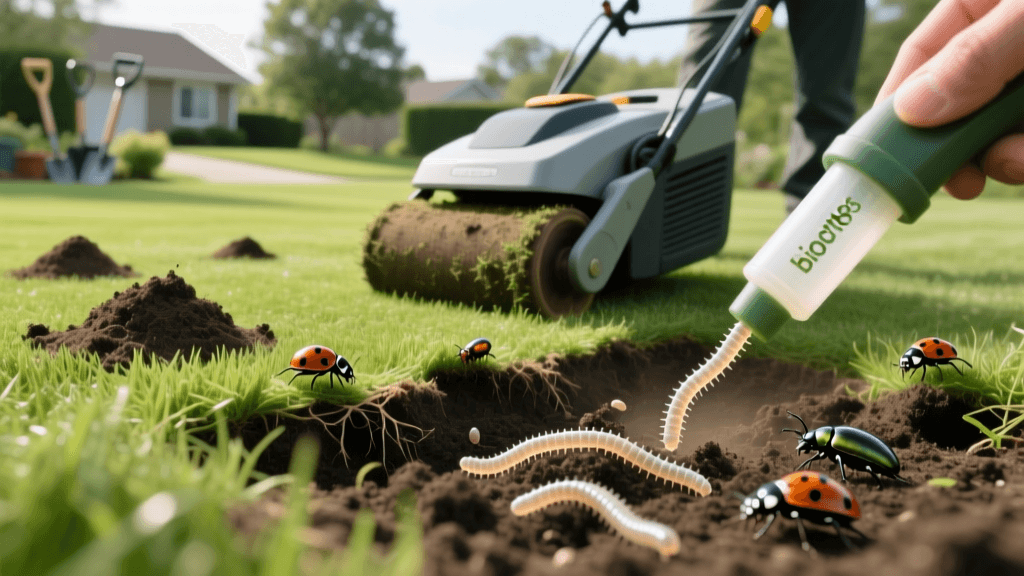
Sod & Molehill Repair: 2026 Lawn Roller Bio-Control Tips
The 2026 Paradigm: Bio-Control Meets Physical Lawn Repair
As we navigate the 2026 lawn care season, the industry has seen a massive paradigm shift away from broad-spectrum chemical pesticides and toward ecological balance. Homeowners and turf managers alike are recognizing that a healthy lawn is a living ecosystem. Two of the most common physical challenges in lawn maintenance are establishing new sod and repairing unsightly molehills. Traditionally, these issues were tackled with heavy machinery and toxic grub poisons. Today, we understand that integrating physical tools like the lawn roller with biological control methods—specifically beneficial nematodes—yields superior, long-lasting results without destroying the soil microbiome.
When you use a lawn roller for sod establishment or molehill repair, you are directly impacting the soil structure. Over-compaction can suffocate earthworms, ground beetles, and beneficial microbes that naturally aerate your soil and prey on turf pests. Furthermore, the root cause of most molehills is not the mole itself, but the white grubs the mole is hunting. By combining precise, eco-friendly lawn rolling techniques with targeted bio-control, you can achieve a flawless, level lawn that thrives from the roots up.
The Ecological Role of Moles and the Grub Connection
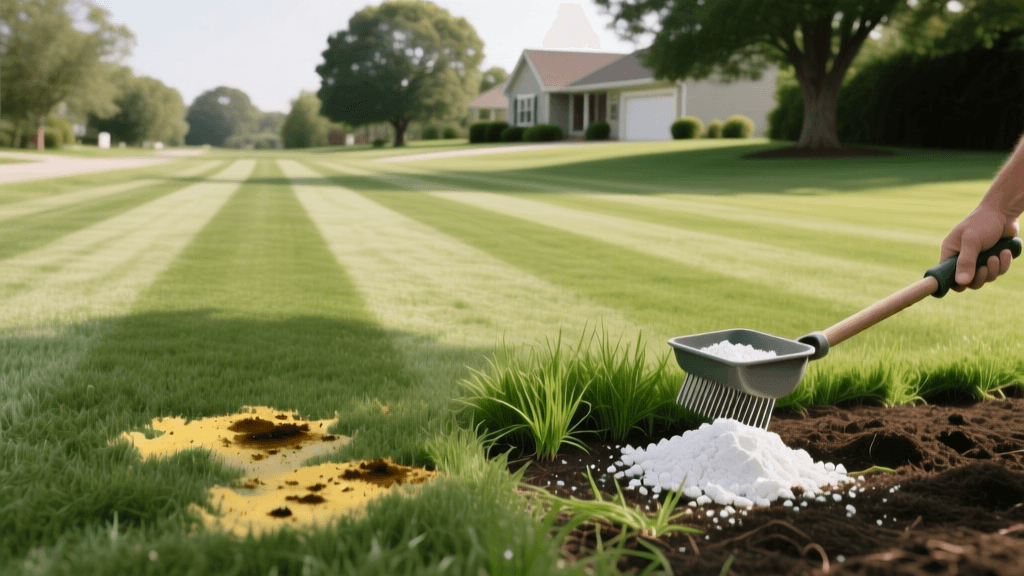
Before you flatten a single molehill, it is vital to understand why it is there. Moles are insectivores, not rodents. They do not eat grass roots; they eat soil-dwelling insects, primarily Japanese beetle grubs, June bug larvae, and European chafer grubs. When you see a trail of molehills, you are looking at a map of a grub infestation. In the past, the knee-jerk reaction was to deploy toxic mole baits or broad-spectrum chemical grub killers. However, these methods decimate beneficial soil life and disrupt the local food web.
According to turfgrass research highlighted by the Penn State Extension, managing white grubs through biological means is the gold standard for modern turf care. By eliminating the grubs, you naturally starve the moles, encouraging them to relocate to areas with abundant food sources without the need for lethal traps or poisons. This bio-control approach preserves the mole's role as a natural soil aerator in wilder areas while protecting your manicured turf.
Bio-Control: Beneficial Nematodes as the Ultimate Solution
The most effective biological control for grubs in 2026 is the application of beneficial nematodes, specifically the species Heterorhabditis bacteriophora (Hb). These microscopic, unsegmented worms naturally occur in healthy soils but are often depleted in heavily managed lawns. When applied to the soil, Hb nematodes actively seek out grub larvae, enter their bodies, and release a symbiotic bacteria that eliminates the pest within 48 hours. The nematodes then reproduce inside the host and emerge to hunt the next grub.
2026 Nematode Application Guidelines
- Timing: Apply in late summer or early fall when grub larvae are young and actively feeding near the soil surface.
- Pricing & Sourcing: In 2026, a commercial-grade package of 50 million Hb nematodes (enough to treat roughly 5,000 square feet) costs between $45 and $65 from specialized bio-control suppliers.
- Application: Mix with water and apply using a hose-end sprayer with the filter removed. Apply in the early evening or on a cloudy day to protect the nematodes from UV degradation.
- Moisture: The soil must remain consistently moist for 10 to 14 days post-application to allow the nematodes to migrate through the soil profile and locate their hosts.
By utilizing this bio-control method, you solve the root cause of the molehills. Once the grubs are gone, the moles will move on, leaving you with a network of tunnels and mounds that require physical repair.
Lawn Rolling for Sod: The Compaction Dilemma
When laying new sod or repairing the bare patches left behind by mole activity, a lawn roller is essential for ensuring proper root-to-soil contact. Air pockets beneath the sod will cause the roots to dry out and die, leading to patchy establishment. However, the weight of the roller must be carefully managed to protect the soil ecology.
Heavy, solid steel rollers can exert excessive pounds per square inch (PSI) on the turf, crushing soil aggregates and suffocating beneficial earthworms and predatory ground beetles. The USDA Natural Resources Conservation Service emphasizes that soil compaction destroys the pore spaces necessary for water infiltration, gas exchange, and the survival of beneficial soil organisms. In 2026, the industry standard has shifted toward adjustable, polyurethane or heavy-duty PVC lawn rollers that allow the user to precisely control the weight by adjusting the water fill level.
Step-by-Step Molehill Repair and Sodding
To repair molehills and establish new sod without harming the soil food web, follow this eco-conscious protocol:
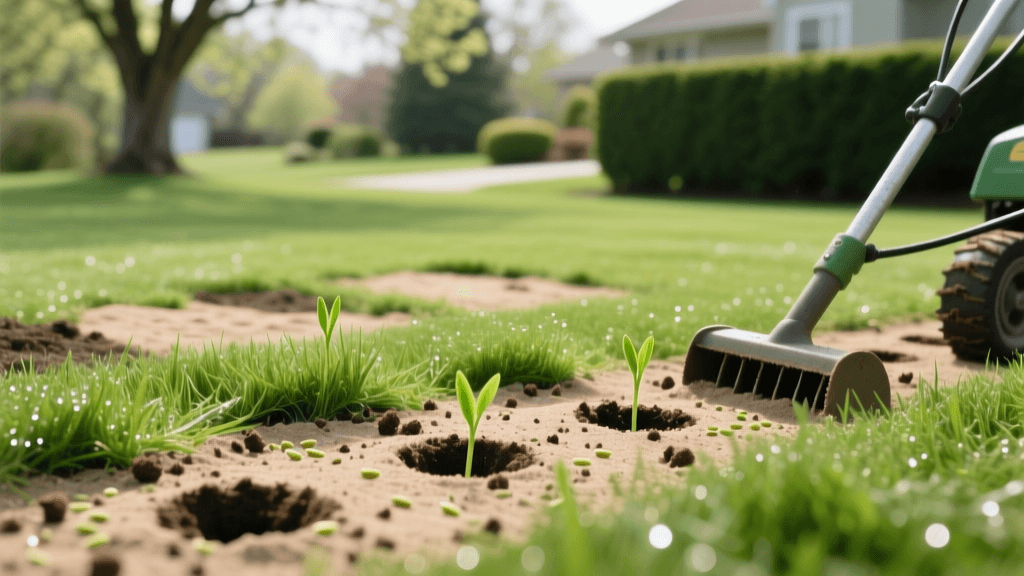
- Flatten and Distribute: Use a flat-headed shovel to knock down the raised molehills. Distribute the nutrient-rich soil from the mounds evenly across the surrounding low areas. Molehill soil is often excellent topsoil, brought up from deeper horizons.
- Rake and Level: Use a stiff landscape rake to level the area, removing any large stones or debris. Ensure the grade matches the surrounding lawn to prevent water pooling.
- Lay the Sod: Place your new sod pieces tightly together, staggering the seams like brickwork to prevent water channels from forming.
- The Eco-Roll: Fill your modern adjustable lawn roller to exactly one-third capacity with water. This provides enough weight (usually around 70 to 100 lbs) to press the sod roots firmly into the soil without compacting the subsoil or crushing earthworm habitats.
- Post-Roll Aeration: If you notice the soil feels overly dense after rolling, perform a light core aeration two weeks later to restore oxygen flow to the beneficial microbes and insects residing in the rhizosphere.
Comparison: Traditional vs. Eco-Balanced Lawn Rolling
Choosing the right equipment is critical for maintaining a biologically active lawn. Below is a comparison of traditional rolling methods versus the 2026 eco-balanced approach.
| Feature | Traditional Steel Roller | 2026 Eco-Poly Adjustable Roller |
|---|---|---|
| Weight Control | Fixed, excessively heavy | Adjustable via partial water fill |
| Soil Impact | High compaction, destroys pores | Gentle firming, preserves soil structure |
| Effect on Earthworms | Lethal to shallow-dwelling worms | Safe for soil biology when used correctly |
| Material | Rust-prone steel | Durable, UV-resistant polyurethane |
| Best Use Case | Flattening frost heaves on dormant clay | Sod establishment, seed-to-soil contact, molehill repair |
Protecting Beneficial Insects During Physical Repair
Ground beetles, rove beetles, and beneficial ants are crucial predators that keep turf pests like chinch bugs and caterpillars in check. When repairing molehills and laying sod, you are inevitably disturbing their habitats. To mitigate this, avoid using synthetic pre-emergent herbicides on the newly laid sod, as these chemicals can leach into the soil and harm non-target insects. Instead, rely on the physical barrier of the dense sod and the biological warfare waged by your applied nematodes.
Furthermore, consider inoculating your new sod with mycorrhizal fungi and compost tea immediately after rolling. This introduces a massive boost of beneficial biology that helps the sod establish roots rapidly, outcompeting weeds without the need for disruptive chemical interventions. The UC Statewide IPM Program consistently advocates for these integrated pest management strategies, noting that a robust, biologically diverse soil ecosystem is the best defense against future pest outbreaks.
Conclusion: A Balanced Approach for 2026
Repairing molehills and establishing sod no longer requires choosing between a level lawn and a healthy ecosystem. By addressing the underlying grub infestation with Heterorhabditis bacteriophora nematodes, you utilize nature's own pest control to resolve the mole problem at its source. When it is time to physically repair the damage and lay new sod, using a partially filled, adjustable lawn roller ensures vital root-to-soil contact while respecting the delicate balance of earthworms and beneficial soil insects. Embracing these 2026 bio-control and eco-friendly mechanical practices will result in a lawn that is not only visually flawless but fundamentally resilient and alive.