Lawn Care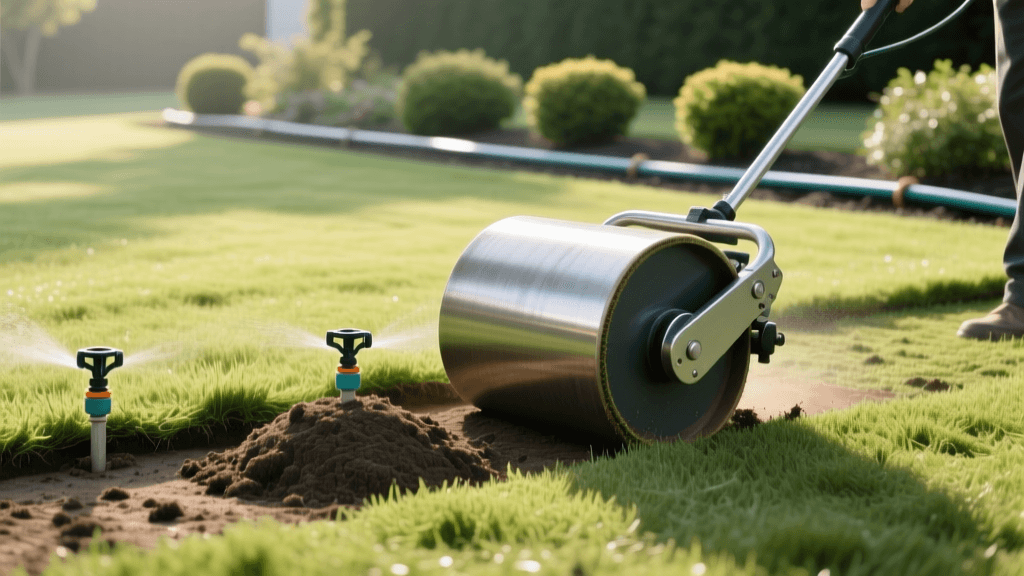
Best Lawn Rollers for Sod & Molehill Repair: 2026 Irrigation Guide
The Intersection of Soil Prep and Sprinkler Efficiency in 2026
As we navigate the 2026 landscaping season, smart irrigation technology has reached unprecedented levels of sophistication. Modern AI-driven sprinkler controllers, advanced soil moisture sensors, and high-efficiency rotary nozzles can precisely calculate evapotranspiration rates and deliver water down to the fraction of an inch. However, no smart irrigation system can compensate for poor physical soil preparation. When it comes to sod establishment and molehill repair, the humble lawn roller remains an indispensable tool—but its use must be carefully calibrated to protect your irrigation infrastructure and maintain optimal soil infiltration rates.
From the perspective of sprinkler system management, using a lawn roller is not just about making the lawn look flat. It is about ensuring uniform water distribution, protecting pop-up sprinkler heads from physical damage, and guaranteeing that the precipitation rate of your irrigation system does not exceed the soil's infiltration capacity. In this comprehensive guide, we will explore how to properly utilize lawn rollers for sod and molehill repair while safeguarding your underground irrigation lines and maximizing water efficiency.
Why Lawn Rolling Matters for Sprinkler Efficiency
Sod Establishment and Root-to-Soil Contact
When you lay new sod, air pockets inevitably form between the bottom of the sod mat and the native topsoil. If these air pockets are left unaddressed, the roots will desiccate and die, even if your sprinklers are running daily. According to the UC Statewide IPM Program, firming the soil surface with a lightweight roller is critical to eliminate these air pockets and ensure immediate root-to-soil contact. From an irrigation standpoint, this contact is vital. Without it, water applied by your sprinklers will wet the sod but fail to wick into the native soil below, triggering false readings in subsurface soil moisture sensors and causing your smart controller to prematurely shut off the irrigation cycle.
Molehill Repair and Sprinkler Head Clearance
Moles are notorious for pushing up mounds of soil, which can severely disrupt your sprinkler system's head-to-head coverage. A molehill located near a pop-up sprinkler head can bury the nozzle, obstruct the spray pattern, or cause the riser to bind and fail to retract. Furthermore, the depressions left behind when moles tunnel just below the surface can cause low-head drainage, leading to puddling and wasted water. Rolling these areas flat restores the original grade, ensuring that your sprinkler heads maintain the required two inches of clearance above the soil line and that water is distributed evenly across the turf canopy.
Choosing the Right Lawn Roller for Irrigation Health
Not all lawn rollers are created equal, and using the wrong type can lead to severe soil compaction. Compacted soil drastically reduces the infiltration rate, meaning your sprinklers will apply water faster than the ground can absorb it, resulting in costly runoff. Below is a comparison of the most common roller types available in 2026 and their impact on irrigation dynamics.
| Roller Material | Max Weight (lbs) | Best Application | Irrigation & Soil Impact |
|---|---|---|---|
| Polyurethane (Water-Fill) | 250 - 350 | New Sod Seams | Minimal compaction risk; preserves soil macropores for optimal water infiltration. |
| Steel (Water/Sand-Fill) | 400 - 600 | Molehill Flattening | Moderate compaction risk; best used only on localized mounds, not entire lawns. |
| Solid Concrete | 700+ | Commercial Grading | Severe compaction; causes immediate sprinkler runoff and destroys soil structure. |
For residential lawn care, a hollow polyurethane roller that you can fill with water is the gold standard for 2026. It allows you to dynamically adjust the weight. For initial sod rolling, fill it only one-third full to gently press the roots into the soil without crushing the soil aggregates that facilitate water movement.
Step-by-Step: Rolling Sod for Optimal Irrigation
To ensure your newly laid sod integrates seamlessly with your sprinkler system, follow this precise rolling and watering protocol:
- Step 1: Pre-Irrigation Check. Before laying sod, run a manual test cycle on your sprinkler system to ensure all heads are functioning, unclogged, and providing uniform coverage. Adjust any rotary nozzles to eliminate dry spots.
- Step 2: Lay and Roll. Lay the sod in a staggered brick pattern. Immediately follow with a polyurethane roller filled to one-third capacity. Roll in two perpendicular directions to ensure even pressure across the seams.
- Step 3: The Critical First Soak. Within 30 minutes of rolling, activate your sprinkler system to apply 0.5 to 0.75 inches of water. The rolling process has created a capillary bridge; this immediate irrigation pulls the moisture down into the native soil, anchoring the sod and encouraging deep root growth.
- Step 4: Smart Controller Calibration. In your 2026 smart controller app (such as Rachio, Hunter Hydrawise, or B-hyve), set up a dedicated 'New Sod' schedule. This schedule should rely on frequent, short bursts (e.g., 10 minutes twice a day) rather than deep, infrequent soaks, which can wash away unestablished roots or cause runoff on the newly rolled surface.
Repairing Molehills Without Damaging Underground Irrigation
Molehills present a unique challenge because the tunnels they create often run dangerously close to shallow PVC or polyethylene irrigation lateral lines. In 2026, many homeowners are upgrading to shallower drip-to-sprinkler conversion lines, making them even more vulnerable to surface pressure.
Safe Flattening Techniques
When addressing a molehill, never use a heavy steel roller directly over known irrigation lines. Instead, use a hand-tamper or a lightweight push-roller to collapse the mound. If the mole tunnel has caused the ground to sink significantly, you must backfill the depression with native topsoil before rolling. If you simply roll a sunken area flat without adding soil, you will create a hardpan layer that repels water, causing your sprinklers to pool water in that exact spot during the next irrigation cycle.
Restoring Sprinkler Head Grade
After rolling the molehill flat, inspect the adjacent pop-up sprinkler heads. The soil grade should sit exactly 0.5 inches below the top of the sprinkler housing. If the rolling process has pushed soil up against the riser, carefully excavate the dirt to prevent the wiper seal from tearing when the system pressurizes. A damaged wiper seal will leak continuously, draining your lateral lines and reducing pressure to downstream heads.
The Danger of Over-Compaction and Runoff
The primary risk of using a lawn roller is soil compaction. When soil particles are pressed too tightly together, the macropores that allow water and oxygen to move through the soil profile are destroyed. The EPA WaterSense guidelines emphasize that maintaining a healthy infiltration rate is the cornerstone of efficient outdoor water use. If your roller has compacted the soil, your sprinkler system's precipitation rate (measured in inches per hour) will quickly outpace the soil's ability to absorb it.
Signs of Roller-Induced Compaction
- Puddling: Water pools on the surface within minutes of the sprinkler cycle starting.
- Runoff: Water flows onto sidewalks, driveways, or streets before the irrigation cycle finishes.
- Shallow Rooting: Sod lifts easily weeks after installation because roots cannot penetrate the compacted layer created by an overly heavy roller.
Remediation: Core Aeration
If you suspect that heavy rolling for molehill repair has caused localized compaction, schedule a core aeration service. Modern liquid aeration products available in 2026 can also help break up surface tension, but mechanical core aeration remains the most effective way to physically remove soil plugs, restore macropores, and allow your sprinkler water to reach the root zone once again. Always aerate when the soil is moist, but never when it is saturated, to avoid further damaging the soil structure.
Conclusion: Balancing Physical Prep with Smart Irrigation
In 2026, achieving a lush, drought-tolerant lawn requires a harmonious balance between physical soil management and advanced irrigation technology. Using a lawn roller for sod establishment and molehill repair is a vital step in creating a smooth, uniform surface that allows your sprinkler system to perform at its peak. By selecting the right roller weight, timing your irrigation cycles perfectly, and remaining vigilant against soil compaction, you will ensure that every drop of water applied by your system is utilized efficiently. Protect your pop-up heads, respect your soil's infiltration limits, and your lawn will thrive throughout the season.