Lawn Care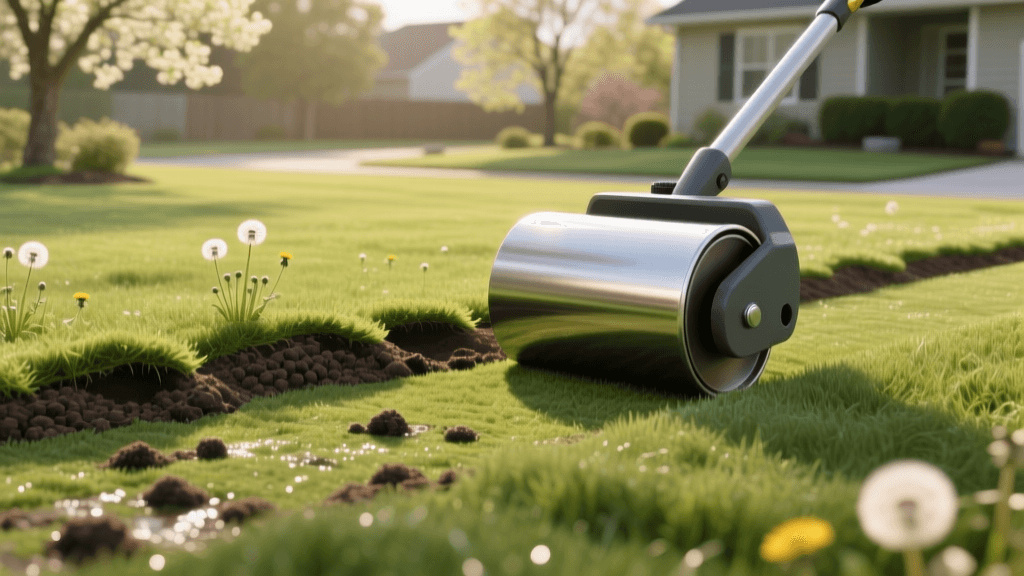
2026 Lawn Roller Guide: Sod Establishment & Molehill Repair
The Wildlife Connection: Why Burrowing Animals Ruin Lawns
When managing a residential landscape in 2026, dealing with burrowing wildlife is one of the most frustrating challenges a homeowner can face. While deer and rabbits might nibble on your ornamental plants, subterranean pests like moles and voles attack the very foundation of your turf. The Eastern mole (Scalopus aquaticus) and the Star-nosed mole are notorious for creating extensive tunnel networks just beneath the soil surface. These tunnels result in unsightly molehills, spongy terrain, and severe root desiccation.
From a wildlife management perspective, simply trapping or repelling the animals is only half the battle. The physical damage left behind—specifically the air pockets and uneven grading—must be mechanically corrected. This is where the strategic use of a lawn roller becomes an indispensable tool for both molehill repair and successful sod establishment. If you lay new sod over soil compromised by burrowing animals without properly rolling it, the grass roots will suspend over air gaps, dry out, and die within weeks. According to University of Minnesota Extension, eliminating these air pockets is critical for turf survival and long-term lawn health.
Choosing the Right Lawn Roller for Molehill Repair in 2026
Not all lawn rollers are created equal, and using the wrong equipment can actually exacerbate soil compaction issues or fail to collapse deep wildlife tunnels. In 2026, the market is dominated by advanced polyurethane models that offer rust-proof durability and precise weight distribution. When repairing molehills or pressing new sod, you need a roller that is heavy enough to collapse tunnels but light enough to avoid crushing the soil structure and suffocating beneficial microbes.
Below is a comparison chart of the primary lawn roller types available this year, evaluated specifically for their efficacy in wildlife damage repair and sod establishment:
| Roller Type | Best Application | Typical Weight (Filled) | Wildlife Repair Efficacy |
|---|---|---|---|
| Polyurethane (Water-Filled) | Sod pressing, light molehills, seed-to-soil contact | 150 - 250 lbs | High (Provides smooth finish without over-compacting) |
| Steel (Water-Filled) | Heavy clay soils, deep tunnel collapse | 250 - 400 lbs | Medium (Risk of severe compaction in loamy soils) |
| Solid Concrete | Commercial grading, sports fields | 500+ lbs | Low (Too heavy for residential wildlife repair) |
| Empty Polyurethane | Dusting topdressing, light seed pressing | 30 - 50 lbs | Very Low (Cannot collapse active mole tunnels) |
For most residential wildlife management scenarios in 2026, a 24-inch wide, water-filled polyurethane roller (such as the latest Brinly or Agri-Fab models) is the gold standard. The scraper bar included on these modern models is essential for wiping away wet clay and topsoil that sticks to the drum while you work over freshly repaired molehills.
Step-by-Step: Repairing Molehills and Flattening Tunnels
Before you can establish new sod or overseed, you must remediate the existing damage. Moles push excavated soil to the surface, creating volcano-shaped mounds. Voles, on the other hand, use existing mole tunnels and create surface runways. Here is the 2026 standard operating procedure for mechanical repair:
- Wait for Optimal Moisture: Never roll a lawn when it is bone dry or waterlogged. The soil should be slightly moist (like a wrung-out sponge) so the tunnels collapse inward without turning the surface into a hardpan brick.
- Knock Down the Mounds: Use a heavy steel rake or a specialized molehill spreader to knock the tops off the molehills. Distribute the excavated loam evenly into the surrounding low spots.
- Fill Active Runways: If you have identified collapsed surface runways, fill them with a 50/50 mix of topsoil and compost to match the surrounding grade.
- The First Roll (Tunnel Collapse): Fill your polyurethane roller to about 75% capacity with water. Walk the roller over the affected areas in a grid pattern (horizontal, then vertical). The goal here is to physically crush the subterranean tunnels so the ground settles.
- Topdress and Roll Again: After the initial settling, you may notice new depressions where deep tunnels have caved in. Apply a thin layer (1/4 inch) of fine topdressing sand or compost, then make a final pass with the roller to achieve a perfectly smooth, golf-course-like grade.
Using a Lawn Roller for Sod Establishment Over Wildlife-Damaged Soil
Laying sod in an area with a history of burrowing wildlife requires meticulous soil preparation. If the ground is spongy due to unseen tunnels, the sod will sink unevenly, leading to poor mowing conditions and localized drought stress. Penn State Extension emphasizes that intimate root-to-soil contact is the single most important factor in sod establishment.
The Sod Rolling Protocol
- Preparation: After tilling and grading the wildlife-damaged soil, do a 'pre-roll' with an empty or half-filled roller to identify any remaining soft spots. Fill and re-grade as necessary.
- Laying the Sod: Install your cool-season or warm-season sod, ensuring tight seams. Avoid walking on the newly laid turf as much as possible to prevent creating new indentations.
- Initial Watering: Water the sod lightly. Rolling completely dry sod can damage the leaf blades, while rolling soaking wet sod can cause the soil beneath to rut.
- The Establishment Roll: Fill your roller to roughly 150 lbs. Push the roller over the new sod in overlapping passes. This step forces the sod roots directly into the soil profile, squeezing out the air pockets that moles and earthworms naturally create.
- Post-Roll Watering: Immediately after rolling, apply a deep, thorough watering. The water will follow the newly compressed soil channels directly to the root zone, accelerating the knitting process.
'In 2026, integrated wildlife management isn't just about trapping pests; it is about rapidly restoring the physical integrity of the soil matrix. A lawn roller is your primary mechanical defense against the chaotic topography left behind by burrowing mammals.' — Turfgrass Management Journal, Spring 2026 Edition.
Integrated Pest Management (IPM): Rolling vs. Trapping
It is vital to understand that rolling your lawn is a remediation tactic, not a deterrent. Rolling collapses current tunnels and fixes the grade, but it will not stop a determined mole from digging a new tunnel directly under your freshly laid sod the following week. Therefore, lawn rolling must be paired with a comprehensive Integrated Pest Management (IPM) strategy.
According to the UF/IFAS Extension Wildlife department, effective mole control requires targeting their food source or using physical barriers. Grub control is often cited as a deterrent, but moles primarily eat earthworms, not just grubs. Therefore, reducing soil moisture (moles prefer damp, easily diggable soil) and installing underground hardware cloth barriers around high-value sod areas are more effective long-term strategies. Once the perimeter is secured, the lawn roller becomes the tool that finalizes the restoration, ensuring your new turf establishes flawlessly over a stable, wildlife-free foundation.
Conclusion
Wildlife and yard animal management extends far beyond simple repellents and traps. The physical scars left on your lawn by moles, voles, and other burrowers require mechanical intervention to restore aesthetic and biological health. By selecting the correct water-filled polyurethane roller and following the precise moisture and weight guidelines outlined for 2026, you can successfully collapse destructive tunnels and guarantee perfect root-to-soil contact for new sod. Treat the soil structure with the same respect you treat the turf above it, and your lawn will remain smooth, resilient, and beautiful despite the subterranean challenges.