Home & Garden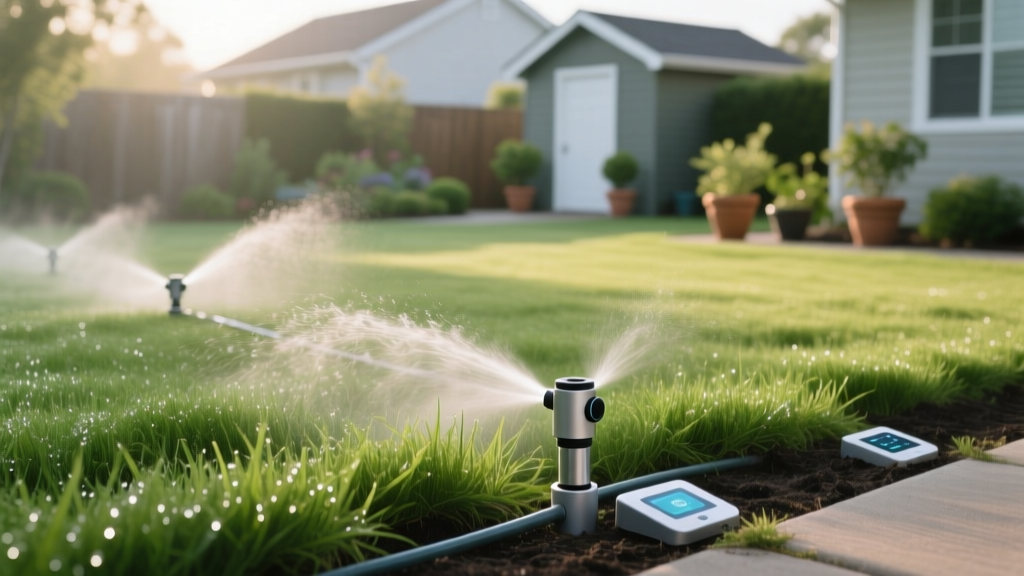
Top Lawn Watering Myths Busted: Smart Irrigation Facts
Robert HayesPublished
The Great Lawn Watering Debate: Separating Fact from Fiction
When it comes to maintaining a lush, vibrant lawn, homeowners are bombarded with advice from neighbors, gardening forums, and outdated almanacs. Unfortunately, much of this advice is rooted in folklore rather than horticultural science. Overwatering, improper scheduling, and a reliance on outdated irrigation technology not only waste thousands of gallons of water annually but also lead to shallow root systems, fungal diseases, and inflated utility bills.
In this comprehensive myth-busting guide, we are putting the most pervasive lawn watering myths to the test. By bridging the gap between traditional landscaping and modern smart home integration, we will reveal the factual, science-backed strategies you need to optimize your outdoor water use.
Myth 1: Watering a Little Bit Every Day is Best for Your Lawn
The Fiction
A common misconception is that giving your lawn a quick 10-minute sprinkle every day keeps it hydrated and healthy, especially during the heat of summer.
The Fact
Frequent, shallow watering is one of the most damaging practices for turfgrass. It trains the roots to stay near the surface where moisture is readily available. When the top inch of soil dries out, the grass immediately experiences drought stress because it lacks a deep, extensive root system to tap into subterranean moisture reserves.
According to the Colorado State University Extension, lawns require deep, infrequent watering to encourage roots to grow downward. The general rule of thumb is to apply 1 to 1.5 inches of water per week, either through rainfall or irrigation, divided into two or three deep watering sessions.
Actionable Tip: Use the 'screwdriver test.' Push a 6-inch long screwdriver into your soil. If it slides in easily to the full depth, your soil has adequate moisture. If it meets resistance before the 6-inch mark, it is time to water deeply.
Myth 2: Smart Irrigation Controllers Are Too Expensive and Complicated
The Fiction
Many homeowners believe that upgrading to a smart sprinkler controller is a luxury reserved for massive estates, requiring professional installation, complex wiring, and a massive upfront investment.
The Fact
Smart irrigation technology has become incredibly accessible, user-friendly, and cost-effective. Modern smart controllers connect to your home Wi-Fi and use local weather data, soil type, and evapotranspiration (ET) rates to automatically adjust your watering schedule. The EPA WaterSense program notes that weather-based smart irrigation controllers can save the average home nearly 7,600 gallons of water annually.
Products like the Rachio 3 Smart Sprinkler Controller (retailing around $229 for an 8-zone system) or the Orbit B-hyve XR (around $159) can be installed by a DIYer in under an hour. Most simply require swapping out the old timer on your wall and matching the color-coded wires.
Traditional Timers vs. Smart Irrigation Controllers
| Feature | Traditional Mechanical/Digital Timer | Weather-Based Smart Controller |
|---|---|---|
| Average Cost | $30 - $60 | $150 - $250 |
| Weather Adjustments | Manual (User must turn off during rain) | Automatic (Skips watering during rain/wind) |
| Annual Water Waste | High (Often waters during/after storms) | Low (Optimizes based on real-time ET data) |
| Remote Access | None (Must be adjusted at the panel) | Full smartphone app integration |
| ROI / Payback Period | N/A | 1 to 2 years via utility bill savings |
Myth 3: Watering at Night is Best Because Less Water Evaporates
The Fiction
Logic dictates that watering in the dark prevents the sun from evaporating the water, ensuring maximum absorption into the soil.
The Fact
While it is true that evaporation is lower at night, leaving grass blades wet for 10 to 14 hours in cool, dark conditions creates the perfect breeding ground for devastating fungal diseases like brown patch, dollar spot, and powdery mildew.
The University of Minnesota Extension recommends watering in the early morning, specifically between 4:00 AM and 8:00 AM. This timing allows the water to soak deeply into the soil before the heat of the day, while the rising sun quickly dries the grass blades, preventing fungal spores from germinating.
Smart Home Integration: This is where smart controllers shine. You can easily set a schedule for 4:30 AM without ever setting an alarm clock, and the system will automatically delay the cycle if local wind speeds exceed 15 MPH, preventing water from blowing onto your driveway.
Myth 4: Brown Grass is Dead and Needs Immediate Drowning
The Fiction
When summer heat peaks and the lawn turns brown, panicked homeowners often crank their sprinklers to run daily, assuming the grass is dying of thirst.
The Fact
Cool-season grasses like Kentucky Bluegrass, Fescue, and Ryegrass have a natural defense mechanism against extreme heat and drought: dormancy. The grass sacrifices its leaves (turning brown) to protect the vital crown and root system.
Dormant grass is not dead. It can survive for 3 to 4 weeks without significant water. If you want to maintain a green lawn during a drought, you must commit to watering deeply and consistently. However, if water restrictions are in place, it is better to let the lawn go dormant and apply a mere 0.5 inches of water every two weeks just to keep the crowns alive.
The Tug Test: Grab a handful of brown grass and pull. If it comes out easily with no resistance, the grass is dead. If it holds firm to the soil, it is simply dormant and will green up when temperatures drop and autumn rains return.
How to Audit Your Sprinkler System (The Tuna Can Test)
Before you program your new smart controller or adjust your seasonal schedule, you must know your system's precipitation rate. Not all sprinkler heads deliver water at the same rate. Rotor heads deliver water much slower than fixed spray heads.
- Collect 4 to 6 empty, flat-bottomed cans (tuna or cat food cans work perfectly, as they are roughly 1 inch deep).
- Place them at varying distances from the sprinkler head within a single zone.
- Run that specific zone for exactly 15 minutes.
- Measure the water depth in each can with a ruler and calculate the average.
- Multiply that number by 4 to determine your inches-per-hour (IPH) rate.
Once you know your IPH, you can program your smart controller with exact precision, ensuring you deliver exactly 0.5 inches per watering session without runoff or waste. While performing this test, also inspect your sprinkler heads. Ensure they are not clogged with dirt, tilted to the side, or spraying directly onto your home's foundation or paved driveways. Adjusting a misaligned head takes less than two minutes but can save hundreds of gallons of water over a single summer season.
Final Thoughts: Embracing Data Over Dogma
Transitioning from myth-based lawn care to fact-based, data-driven landscaping is one of the most impactful upgrades you can make to your home's exterior. By abandoning the habit of daily shallow watering, avoiding nighttime irrigation, and leveraging affordable smart home technology, you will cultivate a deeper, more resilient root system. Your lawn will not only look better, but it will require less intervention, fewer chemical treatments for fungus, and significantly less water from your local utility. Stop guessing, start measuring, and let the data dictate your landscaping success.
