Home & Garden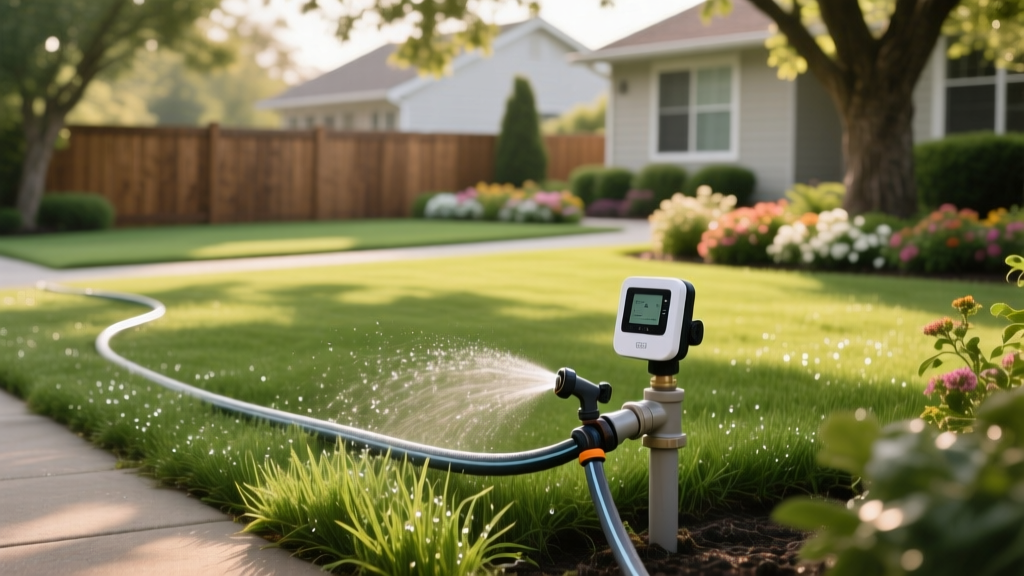
Busting Common Lawn Watering and Smart Irrigation Myths
Lisa ThompsonPublished
The Great Outdoor Watering Debate: Separating Fact from Fiction
When it comes to maintaining a vibrant, garden-to-table-ready outdoor space, homeowners are often bombarded with conflicting advice. From neighborhood lore about the 'perfect' watering schedule to skepticism regarding modern smart home integration, the intersection of landscaping and technology is rife with misinformation. As water conservation becomes increasingly critical and utility rates climb, separating lawn care fiction from verifiable fact is essential for both your wallet and the environment.
In this comprehensive guide, we are busting the most pervasive myths surrounding lawn irrigation, smart controllers, and drought-tolerant landscaping. By replacing outdated habits with data-driven practices, you can cultivate a lush, resilient outdoor living space that thrives in any season.
Myth 1: Watering Your Lawn a Little Bit Every Day Keeps It Healthier
The Fiction
A common misconception among new homeowners is that running the sprinklers for 10 to 15 minutes every single day keeps the grass consistently hydrated and green. The logic seems sound: frequent, small sips of water should prevent the soil from ever drying out.
The Fact
Daily, shallow watering is actually one of the worst things you can do for your turf. It encourages shallow root growth, making your lawn highly susceptible to drought stress, heat damage, and fungal diseases. According to turfgrass experts at Penn State Extension, lawns require deep, infrequent watering to force roots to grow downward in search of moisture. Deep roots anchor the grass and create a resilient buffer against summer heat.
Your lawn generally needs about 1 to 1.5 inches of water per week, including rainfall. To measure this, place a few empty tuna cans across your lawn and time how long it takes for your sprinkler system to fill them to the 1-inch mark. If you have heavy clay soil, applying an inch of water all at once will lead to massive runoff. Instead, use the 'cycle and soak' method: run your zones for 10 minutes, wait an hour for the water to penetrate, and then run them again.
Myth 2: Smart Irrigation Controllers Are Just Expensive Tech Gadgets
The Fiction
Many homeowners believe that smart irrigation systems are unnecessary luxuries designed for tech enthusiasts. The assumption is that a standard, cheap mechanical timer set to run at 6:00 AM is 'good enough' and that upgrading to a Wi-Fi-enabled smart controller will not yield a meaningful return on investment.
The Fact
Smart weather-based irrigation controllers (often called ET controllers, for Evapotranspiration) are among the most cost-effective upgrades you can make to your home's exterior. Unlike traditional timers that blindly water whether it is 95 degrees and windy or 50 degrees and raining, smart controllers use local meteorological data to adjust watering schedules dynamically. They calculate exactly how much moisture your landscape has lost to the atmosphere and replace only that exact amount.
The EPA WaterSense program reports that Weather-Based Irrigation Controllers (WBICs) can save the average home nearly 7,600 gallons of water annually. While a premium smart controller like the Rachio 3 or Hunter Hydrawise might cost between $150 and $250 upfront, the reduction in your monthly water bill typically pays for the device within one to two irrigation seasons. Furthermore, many local municipalities offer rebates of up to 100% of the purchase price for EPA WaterSense-certified models, making the upgrade virtually free.
Comparison Chart: Traditional Timers vs. Smart Weather-Based Controllers
| Feature | Traditional Mechanical Timer | Smart Weather-Based Controller |
|---|---|---|
| Initial Cost | $30 - $60 | $150 - $250 (often rebate-eligible) |
| Schedule Adjustments | Manual (requires seasonal reprogramming) | Automatic (daily adjustments via Wi-Fi) |
| Rain/Freeze Detection | Requires separate wired rain sensor | Built-in via local weather station data |
| Water Savings | 0% (frequently over-waters) | 20% to 50% reduction in outdoor water use |
| Remote Access | None (must be adjusted at the panel) | Full smartphone app control and monitoring |
Myth 3: Drought-Tolerant Landscaping Means a Barren, Gravel-Filled Yard
The Fiction
When the term 'xeriscaping' or 'drought-tolerant landscaping' is mentioned, many people immediately picture a sterile, desert-like yard filled with river rock, mulch, and a single, lonely cactus. The myth suggests that to save water and embrace energy-efficient landscaping, you must sacrifice the lush, green aesthetic of traditional outdoor living spaces.
The Fact
Drought-tolerant landscaping can be incredibly lush, vibrant, and biodiverse. The secret lies in selecting regionally appropriate native plants and utilizing modern, low-water turf alternatives. For example, grass species like UC Verde Buffalograss or Pearl's Premium Ultra Low Maintenance Lawn Seed require up to 75% less water than traditional Kentucky Bluegrass once established, yet they still provide a soft, walkable green carpet for children and pets.
Furthermore, integrating smart drip irrigation into your garden beds delivers water directly to the root zones of your hydrangeas, tomatoes, and native perennials, eliminating the evaporative losses associated with overhead spray heads. The University of Minnesota Extension emphasizes that improving soil health with organic compost increases the soil's water-holding capacity, meaning your plants stay hydrated longer without additional irrigation.
Pro Tip: Group your plants by their water needs—a practice known as hydrozoning. Keep your thirsty garden-to-table vegetables on a dedicated drip zone, and place your drought-tolerant native ornamentals on a separate, less frequent schedule.
Actionable Steps to Optimize Your Irrigation and Landscape
Now that we have debunked the fiction, here are specific, actionable steps you can take this weekend to modernize your outdoor water usage:
- Upgrade Your Nozzles: If you have traditional spray heads, swap them for rotary nozzles like the Hunter MP Rotator. These apply water at a much slower rate (roughly 0.4 inches per hour), allowing heavy clay soils to absorb the moisture without runoff. They also use up to 30% less water than standard spray heads.
- Water at the Right Time: Program your system to water between 4:00 AM and 6:00 AM. Watering during the heat of the day leads to massive evaporation losses, while watering in the evening leaves the grass blades wet overnight, inviting destructive fungal pathogens like brown patch and dollar spot.
- Conduct a Sprinkler Audit: Run each zone manually and look for sunken heads, clogged nozzles, or heads spraying the driveway and siding. Tilted or sunken heads can waste hundreds of gallons a month by misdirecting water away from the turf.
- Install a Soil Moisture Sensor: If you aren't ready for a full smart controller, a simple wireless soil moisture sensor (costing around $40) can be wired into your existing timer. It physically measures the moisture in the root zone and overrides the timer if the ground is already wet.
- Aerate and Top-Dress: Compacted soil repels water. Core aerate your lawn in the fall and top-dress with a quarter-inch of compost. This physically opens the soil profile, allowing water and oxygen to reach the deep roots.
Final Thoughts
Transitioning from myth-based lawn care to science-backed, smart irrigation practices is one of the most impactful seasonal home maintenance tasks you can undertake. By abandoning the daily watering myth, investing in weather-based smart controllers, and embracing modern drought-tolerant alternatives, you bridge the gap between a stunning outdoor living space and responsible environmental stewardship. Your lawn will be greener, your utility bills will be lower, and your garden will be perfectly primed for the seasons ahead.
