Gardening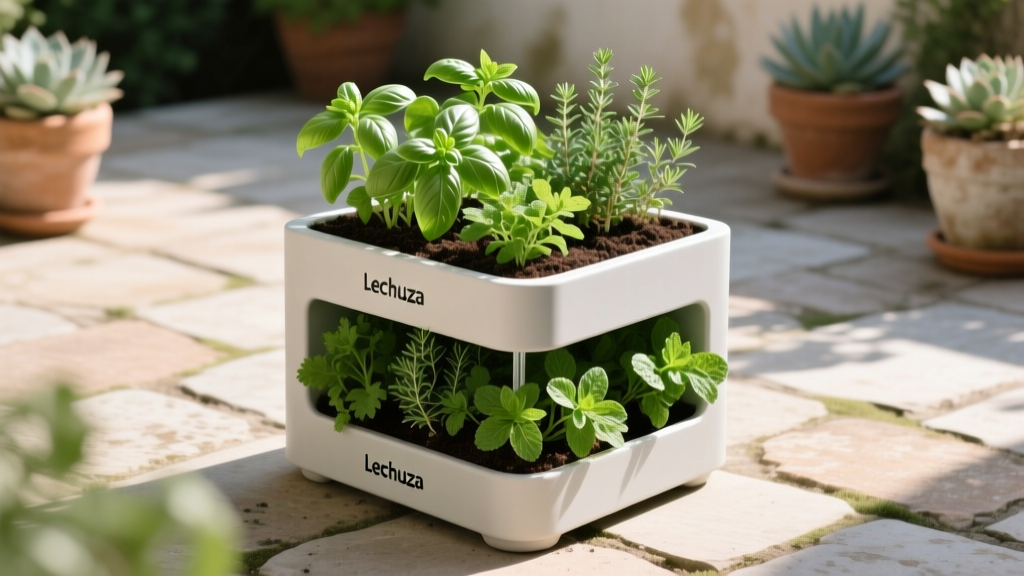
2026 Self-Watering Herb Garden Setup: Foodscaping Guide
Emily WatsonPublished
The 2026 Foodscaping Revolution: Edibles Meet Aesthetics
Welcome to 2026, where the rigid boundaries between ornamental landscaping and edible gardening have completely dissolved. Foodscaping—the art of integrating edible plants into traditional decorative landscapes—has become the dominant trend for homeowners looking to maximize both the beauty and utility of their outdoor spaces. While sprawling backyard vegetable patches are wonderful, modern urban and suburban foodscaping often relies on high-end container gardening. Patios, balconies, and courtyard entryways are now prime real estate for cultivating culinary herbs that look as breathtaking as they taste.
However, the Achilles heel of container gardening has always been moisture management. Herbs in terracotta or standard plastic pots dry out rapidly during summer heatwaves, leading to stressed plants, bolted cilantro, and woody basil. Enter the modern self-watering planter. By utilizing sub-irrigation technology and capillary action, these planters deliver a consistent, perfectly metered water supply directly to the root zone. In this comprehensive guide, we will walk you through setting up a stunning, low-maintenance edible landscape using the industry-leading Lechuza Cube self-watering planter system, tailored specifically for the 2026 growing season.
Why Self-Watering Planters are the Backbone of Modern Foodscaping
Self-watering planters, often referred to as Sub-Irrigated Planters (SIPs), feature a hidden water reservoir at the base of the pot. A wicking mechanism or specialized soil column draws water upward into the root zone as the plant needs it. This technology offers several distinct advantages for foodscaping:
- Consistent Moisture Levels: Herbs like basil and parsley require consistent moisture to produce tender, flavorful leaves. SIPs eliminate the feast-or-famine watering cycle that causes stress and bitterness.
- Water Conservation: According to recent 2026 sustainability reports, sub-irrigation reduces water usage by up to 60% compared to top-watering, as zero water is lost to surface evaporation or runoff.
- Disease Prevention: By keeping water off the foliage, self-watering systems drastically reduce the incidence of powdery mildew and fungal leaf spots, which are common in dense herb containers.
- Aesthetic Cleanliness: Because water is added via a discreet fill tube or removable shaft, there is no messy runoff onto your patio furniture or wooden decking.
Top Self-Watering Planters for Herb Gardens in 2026
While the Lechuza Cube is our primary focus for its architectural elegance, it is helpful to understand the current 2026 market landscape for edible container gardening. Below is a comparison of the top systems available this year.
| Planter Model (2026 Editions) | Reservoir Capacity | Est. Price | Best Herb Types |
|---|---|---|---|
| Lechuza Cube Cottage 40 | 3.5 Gallons | $89.00 | Deep-rooted (Rosemary, Bay Laurel) |
| Click & Grow Smart Garden 9 Pro | 1.2 Gallons | $149.95 | Fast-growing (Basil, Cilantro) |
| EarthBox Original SIP | 3.0 Gallons | $59.00 | Heavy feeders (Mint, Parsley) |
| Gardyn Home Studio | 6.0 Gallons | $899.00 | Vertical mixed herbs and leafy greens |
For foodscaping purposes—where the visual design of the planter is just as important as the plants inside—the Lechuza Cube Cottage line remains the gold standard in 2026. Its woven rattan texture mimics high-end outdoor furniture, allowing your edible garden to seamlessly blend with your patio decor.
Step-by-Step Setup: The Lechuza Cube Herb Garden
Setting up a sub-irrigated planter requires a slightly different approach than traditional potting. You cannot simply dig up garden soil and drop it in; the physics of capillary action require a specific, lightweight, and highly porous medium.
Step 1: Prepping the Reservoir and Wicking System
The Lechuza Cube utilizes a specialized inner liner with a wicking column. Before adding any soil, ensure the liner is seated correctly above the reservoir floor. Insert the water level indicator shaft into the designated tube. This float mechanism is crucial—it will tell you exactly when the 3.5-gallon reservoir is empty, taking the guesswork out of your 2026 garden maintenance.
Step 2: The 2026 Potting Mix Recipe for SIPs
Standard potting soils are often too dense and peat-heavy for self-watering systems, leading to anaerobic conditions and root rot. For a thriving foodscaping herb container, mix your own sub-irrigation blend:
- 40% High-quality coco coir (for moisture retention and wicking)
- 30% Perlite or pumice (for aeration and drainage)
- 20% Premium organic compost (for slow-release nutrients)
- 10% Worm castings (for microbial life and trace minerals)
Fill the inner liner with this mixture, leaving about two inches of space from the rim. Tap the sides of the planter gently to settle the mix, but do not pack it down tightly; the roots need air pockets to thrive.
Step 3: Planting Your Culinary Herbs
When transplanting nursery herbs into your Lechuza Cube, gently loosen the root balls. If the roots are circling the bottom of the nursery pot, tease them outward so they can immediately make contact with the moist soil column. Plant them at the same depth they were growing in their original containers. Water thoroughly from the top once to settle the soil and initiate the wicking process. From then on, you will only add water to the reservoir shaft.
Designing Your Edible Landscape: Color, Texture, and Form
Foodscaping is about treating edible plants as ornamental design elements. When selecting herbs for your Lechuza Cube, think like a landscape architect. Consider color theory, foliage texture, and growth habits to create a living centerpiece for your patio.
The Thriller, Filler, Spiller Technique for Herbs
Adapt the classic container design formula for your edible landscape:
- The Thriller (Focal Point): Use an upright, architectural herb in the center. Purple Dark Opal Basil offers striking, deep burgundy leaves that contrast beautifully with green foliage. Alternatively, a dwarf Blue Boy Rosemary provides a woody, evergreen structure that lasts year-round in milder climates.
- The Filler (Volume and Texture): Surround the thriller with mounding, bushy herbs. Tricolor Sage (featuring green, white, and purple variegation) or Curly Parsley add dense, lush textures that hide the soil line and make the planter look abundant.
- The Spiller (Cascading Edges): Plant trailing varieties near the edges of the Cube. Creeping Thyme or Variegated Oregano will gently cascade over the woven rattan edges, softening the geometric lines of the planter and integrating it into the surrounding patio space.
Companion Planting in Containers
Even in a self-watering container, plant chemistry matters. Basil and tomatoes are famous companions, but in an herb-only planter, pair moisture-loving herbs together. Basil, parsley, and cilantro thrive in the consistent moisture provided by the Lechuza Cube. Conversely, Mediterranean herbs like rosemary, thyme, and oregano prefer to dry out slightly between waterings. If you want to grow Mediterranean herbs in a SIP, simply increase the pumice ratio in your soil mix to 50% to ensure rapid internal drainage despite the full reservoir below.
Maintenance, Pruning, and Smart Tech Integration
One of the greatest benefits of the 2026 foodscaping movement is the integration of smart garden technology with low-maintenance hardware. While the Lechuza Cube is an analog, gravity-fed system, you can easily pair it with modern tech to optimize your edible landscape.
Harvesting for Continuous Growth
To keep your foodscaping design looking full and manicured, practice the 'cut-and-come-again' harvesting method. According to the Old Farmer's Almanac, regularly pinching back the apical meristems (the growing tips) of herbs like basil and mint encourages lateral branching. This prevents the plants from becoming leggy and flowering prematurely, ensuring your patio planter remains a dense, vibrant focal point all summer long. Never remove more than one-third of the plant's foliage at a single time.
Smart Moisture Monitoring
While the Lechuza float indicator tells you when the reservoir is empty, it does not tell you what is happening in the soil above. In 2026, affordable Bluetooth soil sensors (such as the Xiaomi Flora or Ecowitt WH51) can be inserted directly into the planter. These sensors monitor soil moisture, temperature, and light levels, sending alerts to your smartphone if the wicking action is failing or if the ambient temperature is stressing your cold-sensitive basil. This data-driven approach ensures your edible landscape remains flawless, even when you are away on vacation.
Nutrient Management in SIPs
Because water is drawn up from the bottom, water-soluble fertilizers added to the top can sometimes cause salt buildup in the upper soil layers. The Royal Horticultural Society recommends using slow-release organic granular fertilizers mixed into the top inch of soil at the beginning of the season. Alternatively, use a liquid kelp or fish emulsion fertilizer diluted to half-strength, applied directly to the reservoir every third watering. This ensures the nutrients are wicked up evenly and delivered directly to the root zone without burning the delicate herb roots.
Conclusion: Embracing the Edible Aesthetic
The 2026 foodscaping movement proves that you do not need to sacrifice aesthetic elegance to grow your own food. By utilizing advanced self-watering planters like the Lechuza Cube, you can create a breathtaking, low-maintenance edible landscape that thrives on your patio with minimal intervention. Whether you are cultivating a moody, purple-basil centerpiece or a bright, variegated thyme cascade, sub-irrigated container gardening offers the perfect marriage of form, function, and flavor. Grab your coco coir, fill that reservoir, and transform your outdoor living space into a living, breathing culinary masterpiece.
